Interest Rate Hikes in the '17 Bull Market Too - Will This Time Be Different?
Do interest rate hikes really lead to the end of bull market cycles?
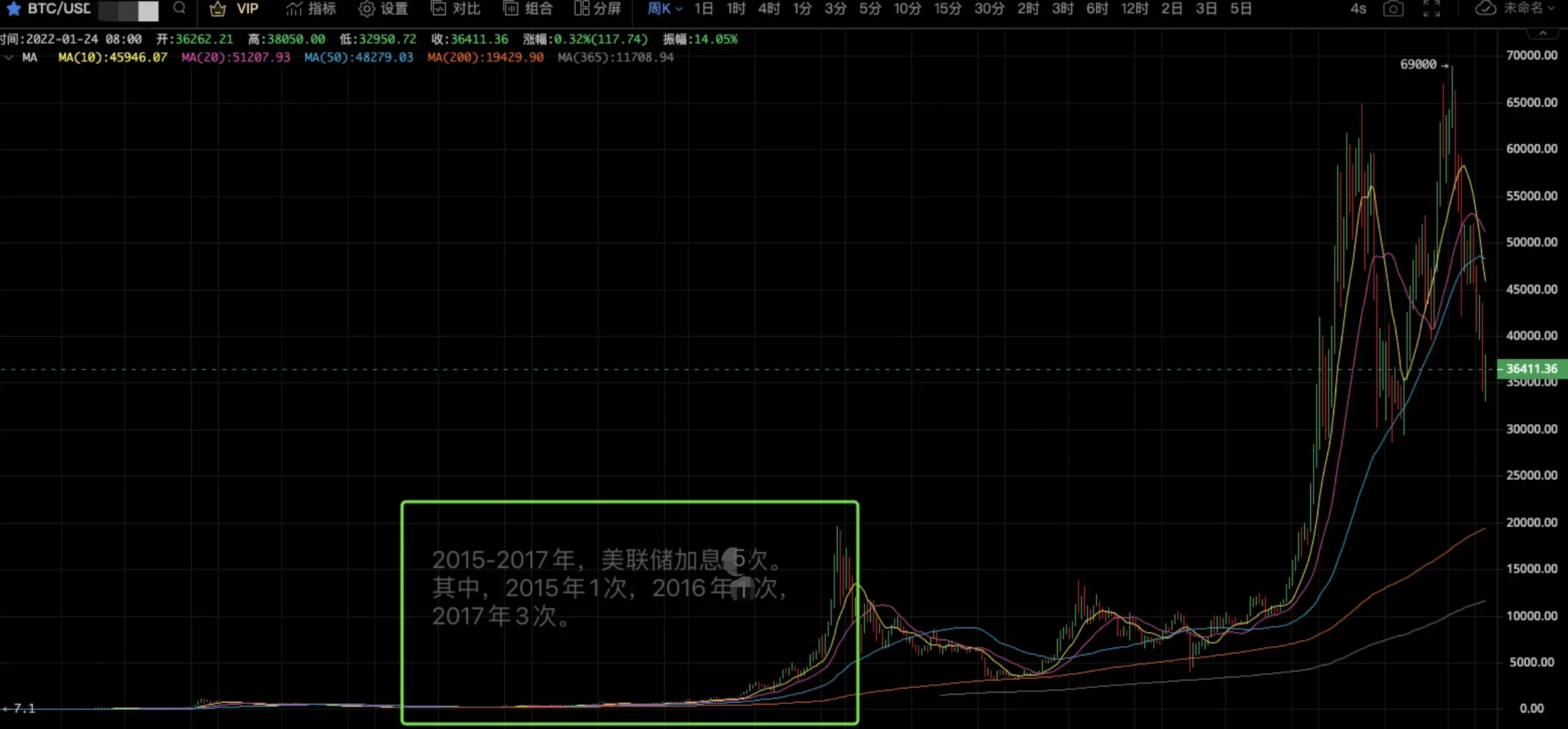
Looking back at the history of crypto development, during the major bull market from 2015 to 2017, the Federal Reserve raised interest rates 5 times, including one hike in December 2015, one in December 2016, and three in 2017. During this period, Bitcoin surged from $182 in February 2015 to $19,600 in December 2017, a massive increase of over 100 times in three years.
So, under the current expectations of Federal Reserve rate hikes, what impact will they have on the crypto market? Can the crypto market repeat the bull market trend of the previous cycle?
1. The 2017 Bull Market Amid Rate Hikes
History serves as a mirror. Reviewing the rate hike process after 2014 helps us clarify the current global financial environment.
After the 2008 financial crisis, the Federal Reserve launched three rounds of QE, expanding its balance sheet from $0.9 trillion to $4.5 trillion over 6 years. In contrast, during the unlimited quantitative easing of the pandemic, the Fed's balance sheet surged from $4.5 trillion to nearly $9 trillion in just two years.
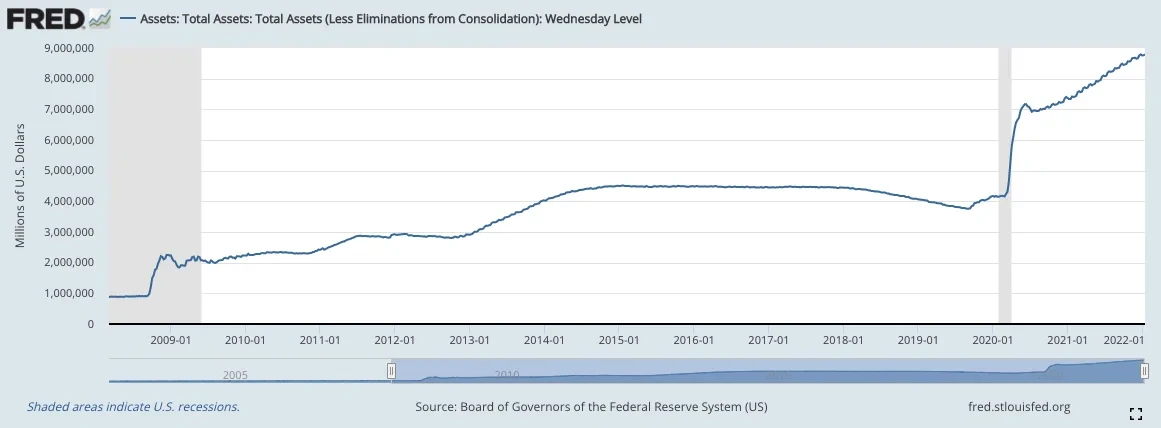
After 2014, with the global economy still in recovery and inflation at normal levels, the Fed began reducing bond purchases, raising interest rates, and shrinking its balance sheet.
Specifically, bond purchases were gradually reduced from 2014 to 2015, and rate hikes occurred from 2015 to 2018, including one hike in December 2015, one in December 2016, three in 2017, and four in 2018.
The Fed began reducing its balance sheet in November 2017, continuing until September-October 2019, a balance sheet reduction period lasting two years.
From 2015 to 2017, while the Fed was raising rates, the crypto market experienced a super bull market, with Bitcoin surging from $182 in February 2015 to $19,600 in December 2017, a 100-fold increase in three years.
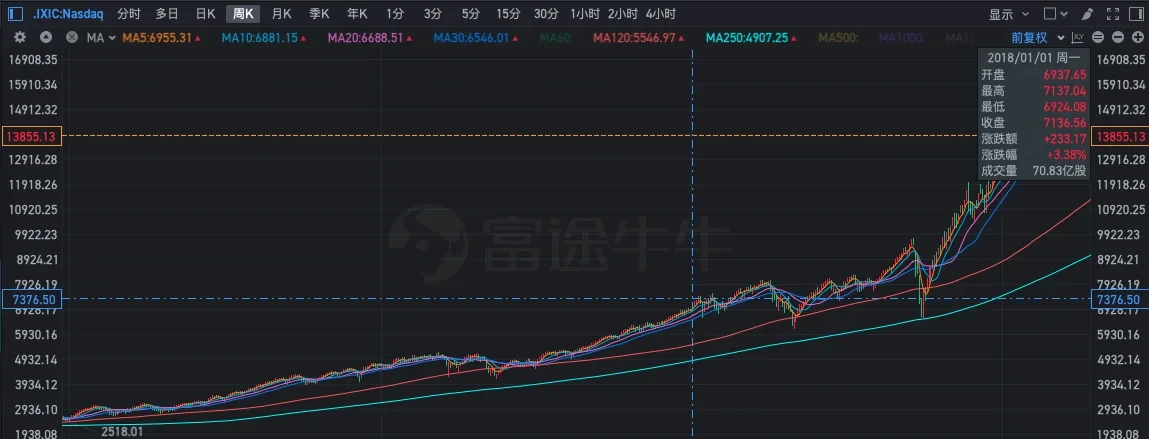
During this period, the US stock market also showed strong upward momentum, with the Nasdaq rising from 3,100 points to 7,100 points.
So the question arises: from 2015 to 2017, the Fed raised rates five times, yet the crypto market still delivered a super bull market. Against the backdrop of upcoming rate hikes this time, can the crypto market repeat the miracle of the previous bull market?
2. What's Different This Time?
This time, the situation is clearly more complex.
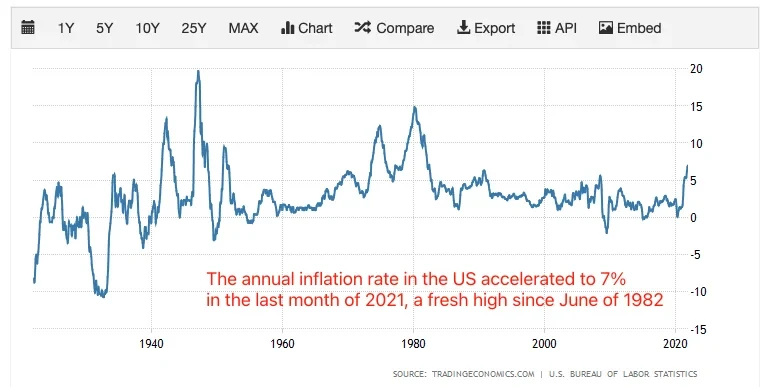
After 2014, the Fed's balance sheet reduction was built on a foundation of global economic recovery, with both US inflation and unemployment rates maintaining extremely low levels. This time, it's completely different, because epic-level inflation has arrived.
As of late January this year, US inflation has reached a 40-year high. The previous round of Fed monetary tightening took 6 years; this time, the time left for the Fed may really be running out. Therefore, rate hikes are inevitable this time, and will likely be more aggressive than last time.
In this context, where will the crypto market go?
First, one reason Bitcoin was able to surge over 100-fold in three years from 2015 to 2017 was its smaller market cap.
The crypto market cap in 2015 was only about 5% of today's market. Today's crypto market cap has touched $3 trillion at its peak, which is 30% of gold. Remember that gold took centuries to achieve its current historical status.
Second, the crypto market has just experienced a two-year super bull market. Concepts like Metaverse, DeFi, DAO, NFT, public chains, and Layer 2 have been speculated on in rotation. Are there any themes left worth discussing?
Finally, it's worth noting that core crypto assets like Bitcoin and Ethereum are speculative assets when fiat liquidity is abundant, but the situation changes subtly when liquidity is poor. For example, from December 2021 to now, the Nasdaq has fallen 20%, while Bitcoin has fallen nearly 50% during the same period.
The reason to closely monitor rate hikes is not only because central bank monetary policy affects the crypto market, but also because of its close ties to the macro economy, which can be divided into four stages.
1) Economic fundamentals decline, monetary policy eases, stock prices bottom out and rise. From March to September 2020, under the impact of COVID-19, US stocks crashed, the Fed launched unlimited quantitative easing, and China began cutting interest rates and reserve requirements to stimulate the economy and stabilize employment. US stocks then began a two-year super bull market, and housing prices in China's first-tier cities represented by Shenzhen soared.
2) Economic fundamentals improve, monetary policy remains loose. From September 2020 to the end of 2021, the stock market grew rapidly in the "Davis double click" of valuation growth and demand growth. For example, the US market has been in an upward state since September 2020.
3) Economic fundamentals continue to improve, but under inflation expectations and inflation pressure, monetary policy begins to tighten, and the stock market begins to fluctuate violently. US stocks are clearly in this state.
4) Monetary policy tightens, valuations decline, and the stock market begins to suffer the double blow of falling valuations and declining demand.
Currently, we are in the third stage, which is also a rather painful stage.
In summary, compared to the crypto market from 2015 to 2017, today's crypto market is in a completely different macro environment, and trends are bound to be more complex. Moreover, even for the crypto market itself, some data deserves special attention.
3. Subtle Changes in the Crypto Market Itself
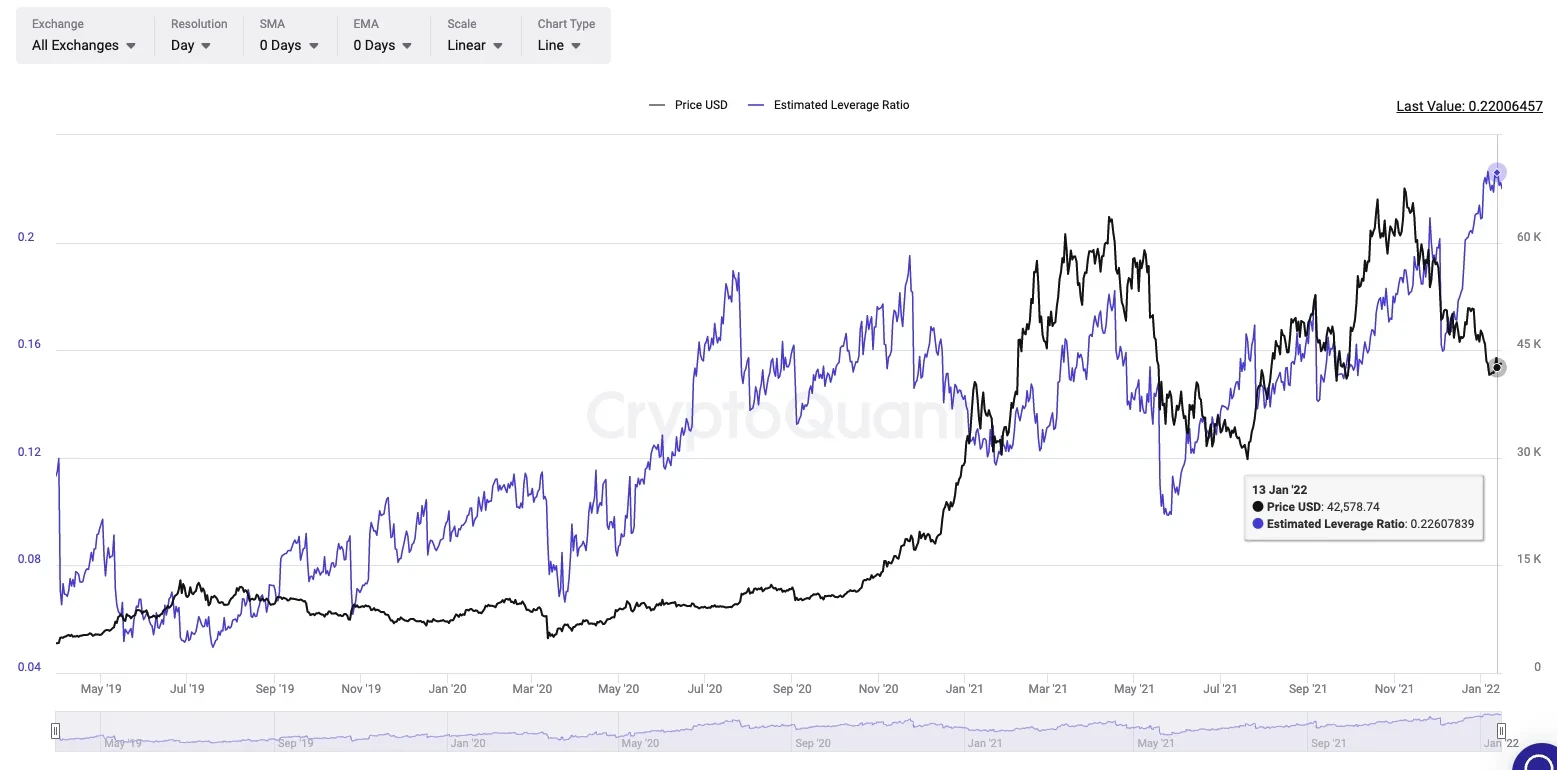
Key focus should be on Bitcoin's Estimated Leverage Ratio. The so-called estimated leverage ratio is the open interest on exchanges divided by spot reserves, used to measure the degree of leverage used by traders.
According to CryptoQuant data, as of January 20, Bitcoin's estimated leverage ratio reached 0.224, a record high. Higher ratios indicate more investors are taking on high leverage risks.
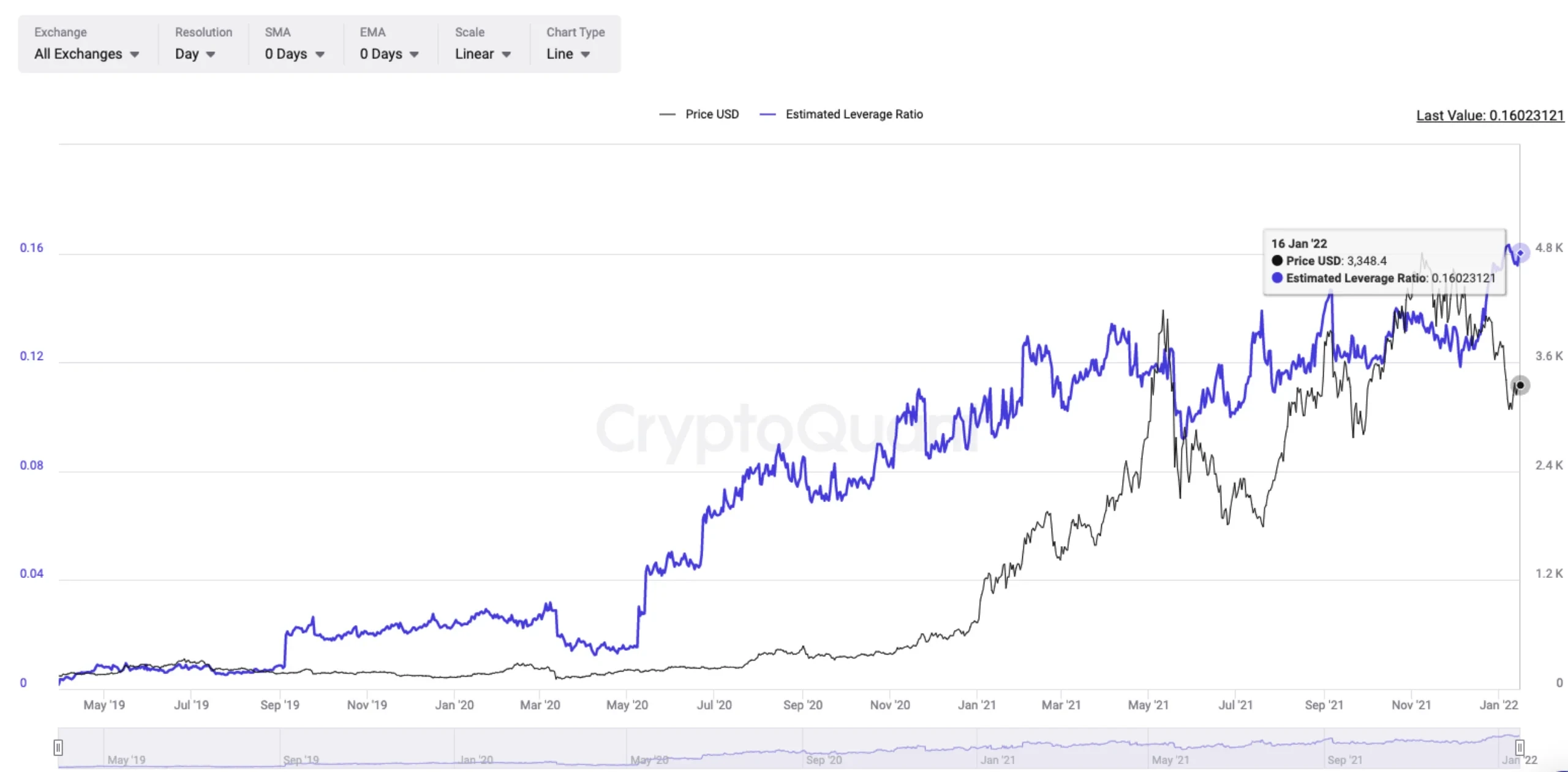
In addition, Ethereum's estimated leverage ratio also reached a record high of 0.16.
Why does this data keep hitting record highs? Two reasons.
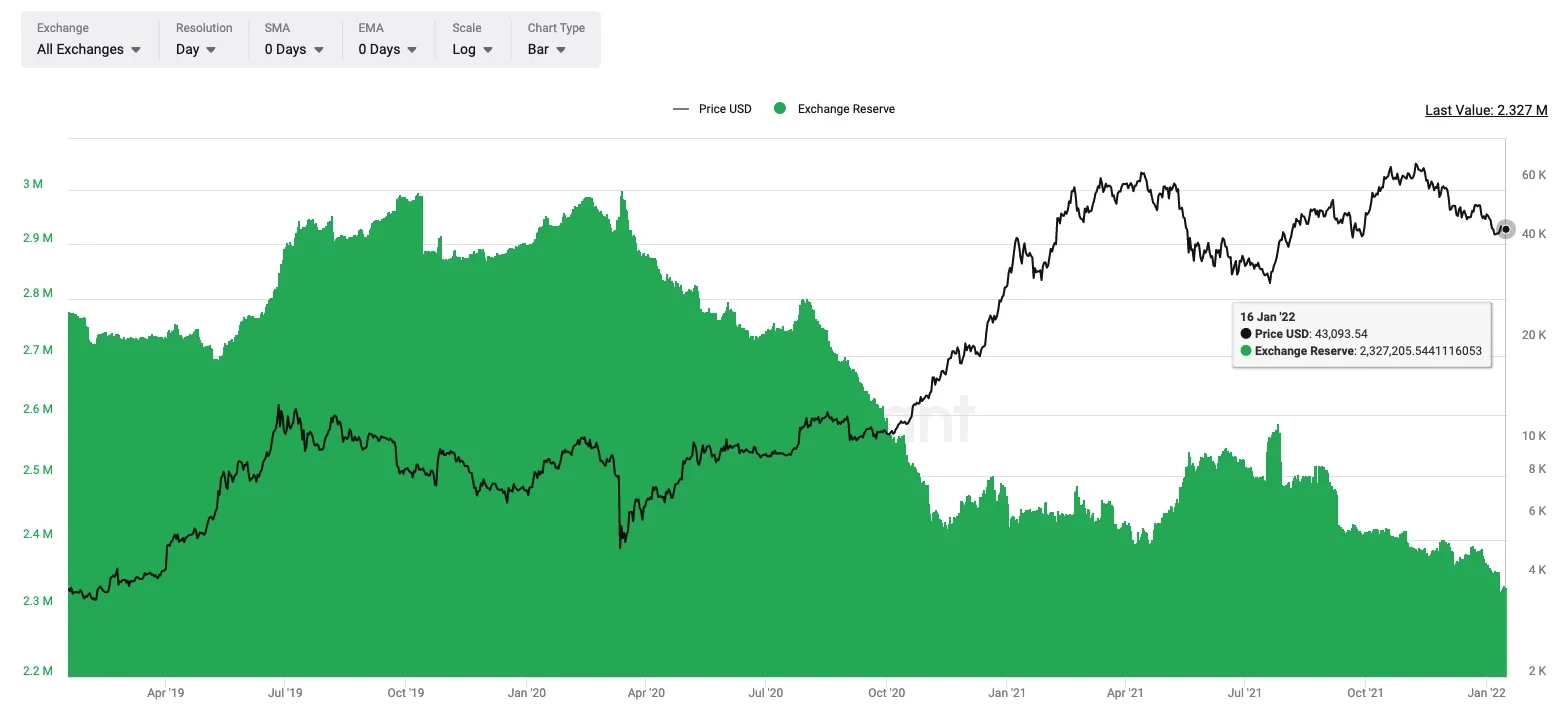
First, since 2017, the amount of Bitcoin and Ethereum held by exchanges has continued to decline, both hitting new lows. Currently, exchanges hold 2.32 million Bitcoin.
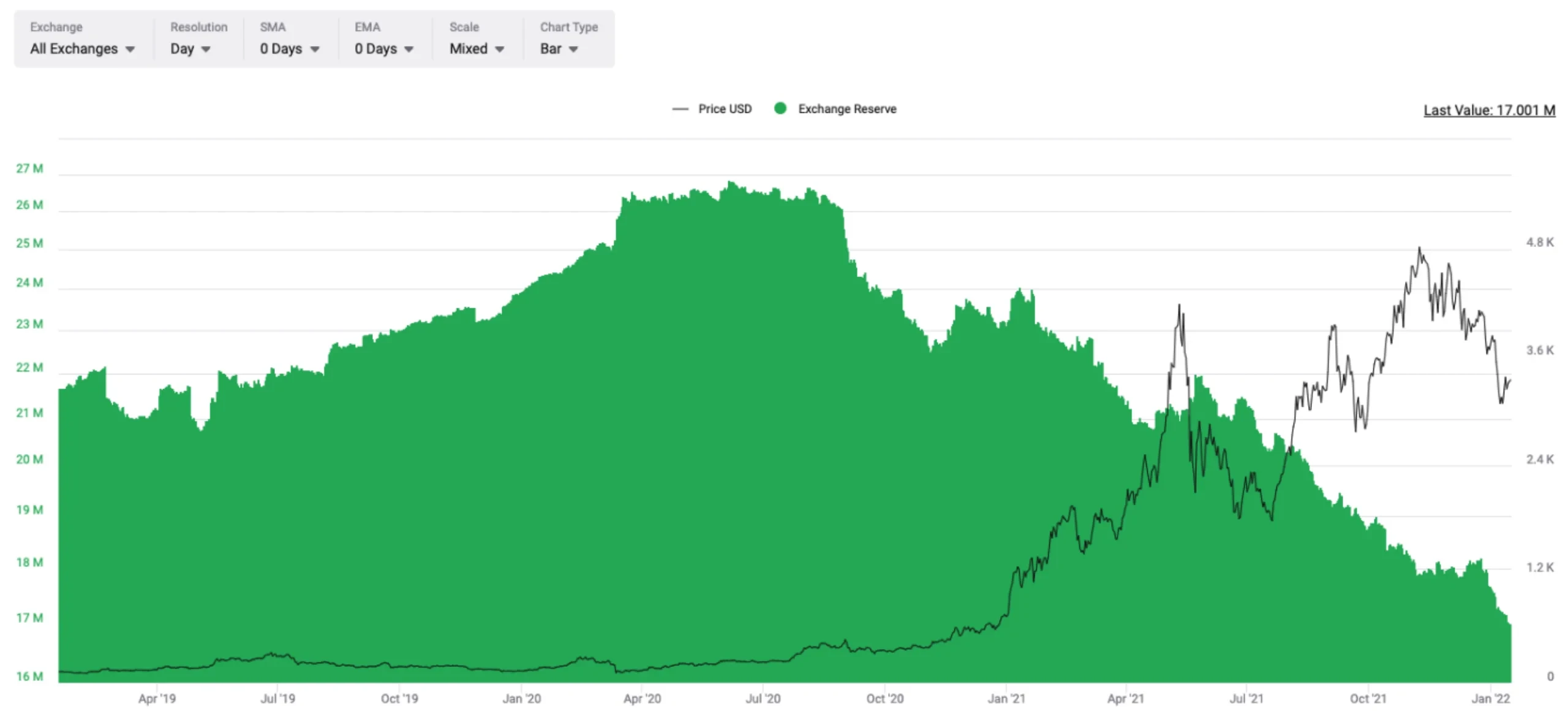
Exchanges hold 17 million Ethereum.
Then, the speculative atmosphere in the crypto market is strong, and Bitcoin and Ethereum contract open interest remains at high levels.
According to CryptoQuant statistics, the total value of Bitcoin open interest on exchanges is currently $12 billion, and Ethereum open interest is $6.8 billion, both at historically high levels.
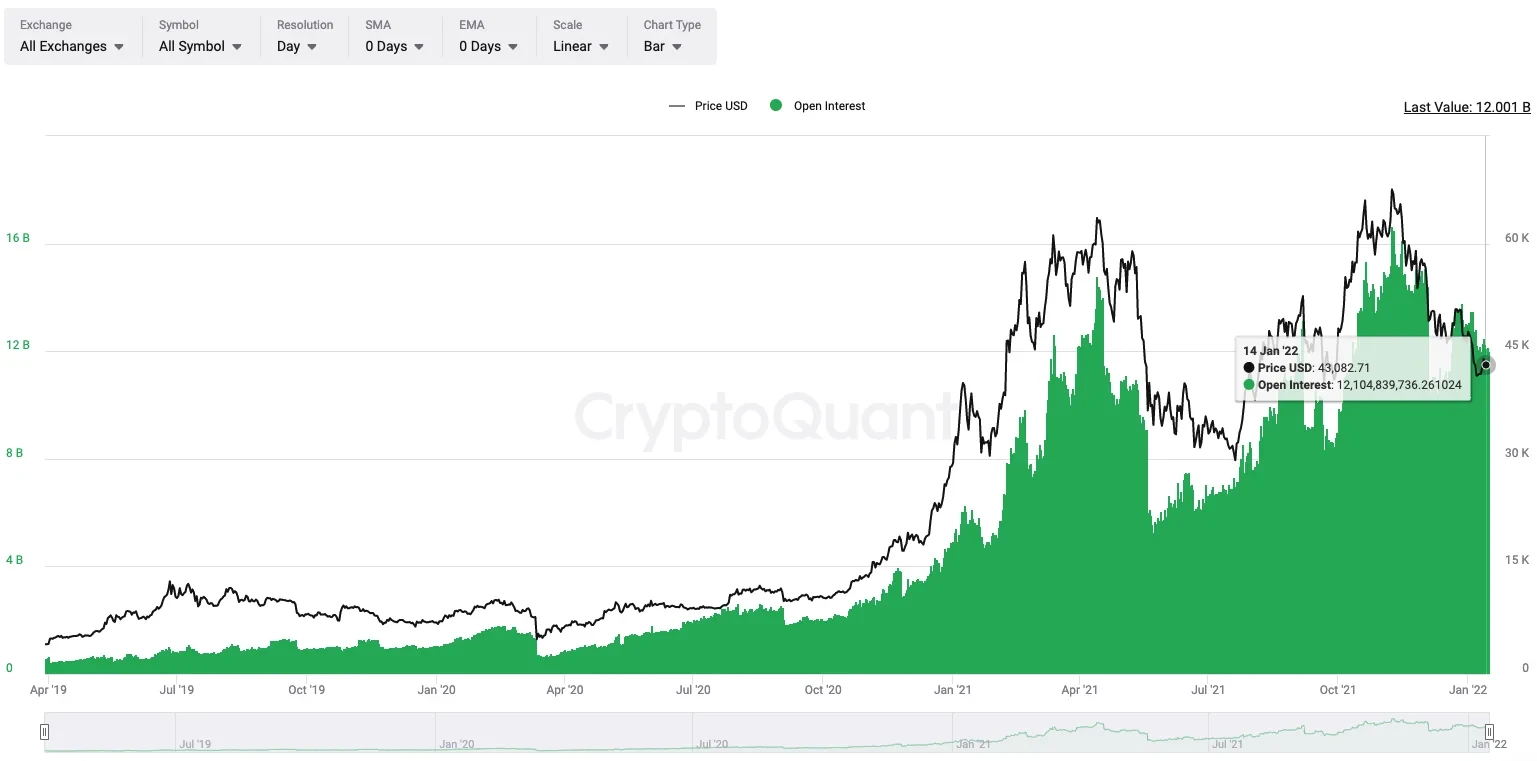
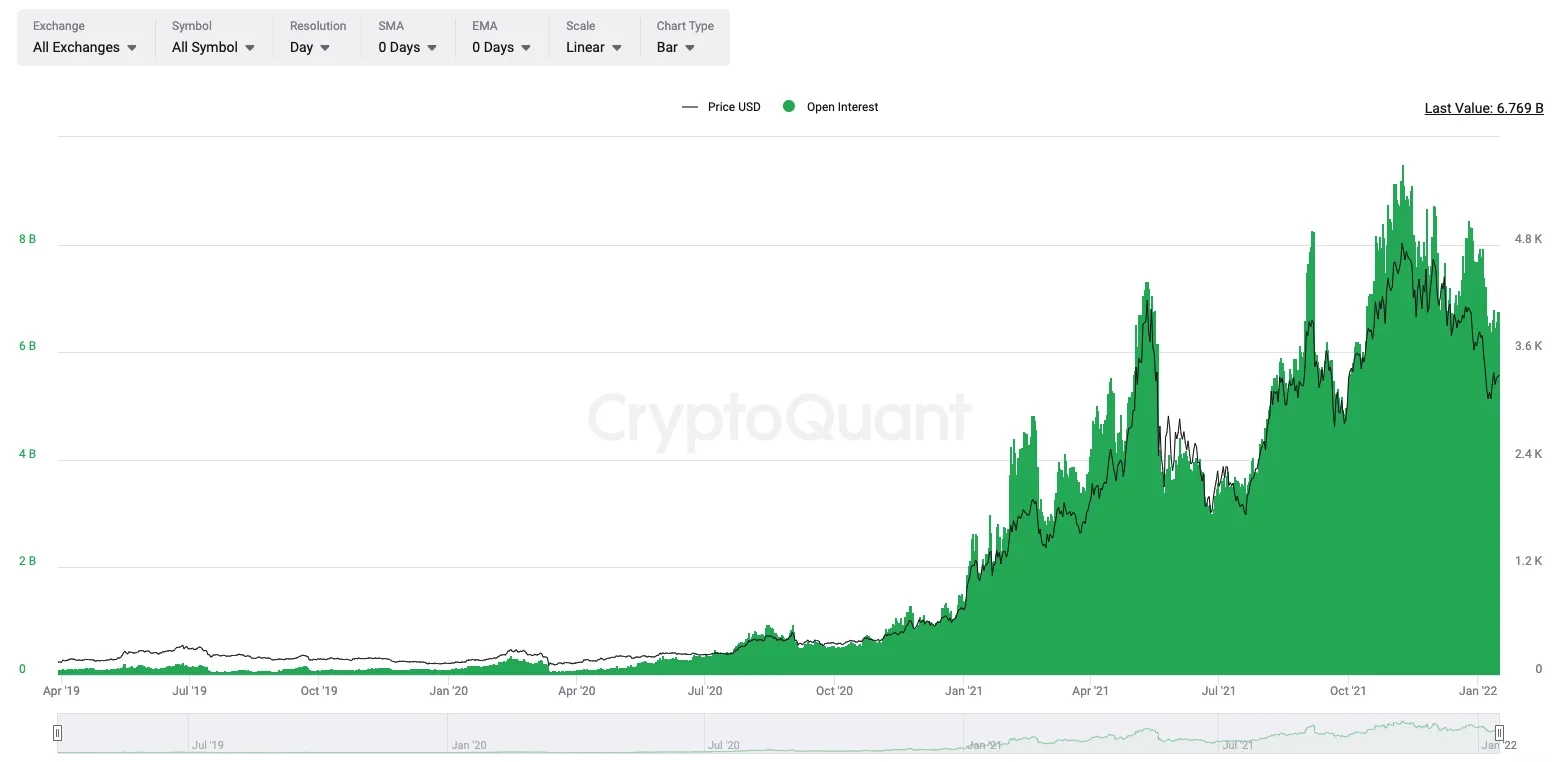
The above is calculated in stablecoin terms. If calculated in BTC terms, perpetual contract open interest has reached a record high of 264,000 BTC, up 42% from December 4, 2021, exceeding the previous record high of 258,000 BTC set on November 26. This shows that investors are interested not in the spot market, but in the derivatives market.
So, when speculators in the financial market increase and fight for the last bit of liquidity in the market, where will the market go from here?
Disclaimer
This article may contain content related to products that are not available in your region. This article is intended to provide general information only and does not accept responsibility for any factual errors or omissions herein. This article represents only the author's personal views and does not represent the views of OKX. This article is not intended to provide any advice, including but not limited to: (i) investment advice or investment recommendations; (ii) offers or solicitations to buy, sell or hold digital assets; or (iii) financial, accounting, legal or tax advice. Holding digital assets (including stablecoins) involves high risk, may fluctuate significantly, and may even become worthless. You should carefully consider whether trading or holding digital assets is suitable for you based on your financial situation. For questions about your specific situation, please consult your legal/tax/investment professional. The information appearing in this article (including market data and statistics, if any) is for general reference only. While we have taken all reasonable precautions in preparing these data and charts, we accept no responsibility for any factual errors or omissions expressed herein. © 2025 OKX. This article may be reproduced or distributed in full, or excerpts of 100 words or less from this article may be used, provided such use is non-commercial. Any reproduction or distribution of the entire article must also prominently state: "Copyright © 2025 OKX. Used with permission." Permitted excerpts must cite the article title and include attribution, such as "Article Name, [Author Name (if applicable)], © 2025 OKX". Some content may be generated or assisted by artificial intelligence (AI) tools. Derivative works or other uses of this article are not permitted.
Show More
Recommended Reading
OKX Pay: Opening a New Era of Next-Generation Crypto Payments
The choice of tens of millions of users. Sign up for OKX and enjoy the ultimate trading experience and diverse wealth management products. A letter from OKX CEO Star: Today, we are officially launching the first version of OKX Pay to over 100 million global users. As the industry's first payment app to truly achieve non-custodial and compliant integration, OKX Pay will be embedded in the OKX App, currently available to select markets, expected to fully roll out within months
March 22, 2026

New Chapter: Building Next-Generation Financial Infrastructure Together
The partnership between OKX and Intercontinental Exchange (ICE) is an important moment for OKX and equally significant for the evolution of the entire digital asset market. ICE establishes and operates the world's most important financial infrastructure, including the New York Stock Exchange and global derivatives and clearing platforms. ICE's strategic investment in OKX and joining our board reflects both parties' shared belief—that digital asset technology will transform financial markets
March 10, 2026

Tribute to Another Year of Forging Ahead
As CEO of OKX and a builder who stays true to our original mission, I proudly look back on OKX's extraordinary growth and progress this year. Despite many challenges, 2024 was a year of focus, innovation, and resilience. We not only expanded and optimized our products, but also made significant progress in launching transparent and compliant localized businesses, while further strengthening our global management team. Notably, after experiencing
January 29, 2026

2025: Steady Progress Toward Financial Freedom Together
—— A Year-End Letter from OKX Founder and CEO Star to Global Users "Financial freedom" is often misunderstood. It doesn't mean no rules, but rather having the right to choose within the framework of rules—and when the system is truly tested, it remains reliable and effective. This is exactly what we focused on throughout 2025. First, I want to extend my sincere gratitude to our global clients, partners, and regulatory authorities
January 16, 2026

OKX Officially Launches in Germany and Poland
Author: Erald Ghoos, CEO of OKX Europe Today is significant for OKX—and for crypto users across Europe. We have officially launched our fully compliant centralized cryptocurrency trading platform in Germany and Poland! For us, this is not just a geographic expansion, but a commitment to building the cryptocurrency future the right way: secure, transparent, and meeting local needs. If you're in Germany
October 21, 2025

Partnership Expanded! OKX Partners with Standard Chartered to Expand European Market
On October 15, OKX Europe CEO Erald Ghoos stated that OKX is expanding its strategic partnership with Standard Chartered to the European Economic Area (EEA). Earlier this year, OKX first partnered with Standard Chartered in the UAE to launch the collateral mirroring program—this is a
October 15, 2025