June FOMC Meeting Approaching: What Are the Key Factors for Fed Rate Hikes?
On Wednesday, June 16th at 2:00 PM Eastern Time, the Federal Reserve will conclude its FOMC meeting and release its rate decision. As nonfarm payroll data has missed expectations over the past two months while inflation remains elevated, markets will be closely watching whether the Fed's stance has shifted.
The Fed has repeatedly stated that current inflation is a "temporary anomaly" caused by the COVID-19 pandemic, which will remain elevated in the short term before retreating to around 2%, and that it has the tools to control inflation. Given the recent surge in inflation data, accelerating vaccination rates, and signs of economic activity returning to normal, markets expect that while the June FOMC meeting will most likely hold rates steady, the overall tone may not be particularly dovish.
On June 14th, the three major U.S. indices showed mixed performance. As of market close: the Dow fell 0.25%, the S&P 500 rose 0.18%, and the Nasdaq gained 0.74%. Gold's $1,900 per ounce level has become a key resistance point, and after multiple failed attempts to break above it, prices declined for two consecutive days, dropping to a low of $1,844.8 on June 14th before closing at $1,866.03 per ounce. The U.S. 10-year Treasury yield edged slightly higher to 1.496%, but remains near lows since March of this year, suggesting an increasing number of investors hold the "inflation is temporary" view and believe the Fed is unlikely to tighten policy given the underwhelming employment recovery.
In the short term, Bitcoin's fundamentals have not changed significantly. However, on June 14th, Tesla CEO Elon Musk stated that "Tesla has not manipulated Bitcoin, and only sold 10% of its holdings, and confirmed that miners use a reasonable proportion of clean energy (~50%), and will allow Tesla to resume Bitcoin payment when the trend improves," OKX market data shows that Bitcoin surpassed the $40,000 mark for the first time in 24 days on June 14th, with a daily gain of 12.9%.
FOMC Meeting Approaches: Is Inflation Still "Temporary"?
On June 10th, the U.S. Department of Labor released May CPI data, showing a year-over-year surge of 5%, exceeding expectations of 4.7%. This marked the largest year-over-year increase since August 2008, reflecting continued upward pressure on U.S. inflation. Excluding food and energy prices, core CPI rose 3.8% year-over-year, the largest increase since June 1992.
Alongside rising inflation, the employment picture remains mixed. May nonfarm payrolls increased by 559,000, below the expected 675,000, while the unemployment rate of 5.8% came in better than the expected 5.9%. The U.S. has recovered 14.3 million of the 22 million jobs lost during the pandemic.
U.S. Secretary of Labor Marty Walsh stated that the employment figures show Biden's economic plan is working, and as vaccination rates increase, the U.S. is expected to bring more people back to work in the coming months.
However, some economists point out that the U.S. supply-demand imbalance is widening. On one hand, as vaccinations progress and the summer travel season approaches, consumer demand is expanding. On the other hand, the Biden administration's "generous" fiscal subsidies have led to declining willingness to work, while raw material shortages and global supply chain disruptions in manufacturing are exacerbating gaps, driving prices higher.
What can be foreseen is that the U.S. has reached a critical juncture. Given that the Fed's tolerance for inflation far exceeds that for employment, and both May's new jobs and labor force participation rate fell short, the Fed will most likely maintain its accommodative stance. However, as economic prospects improve and the Fed's concerns about pandemic uncertainty ease—as of current vaccination rates, the U.S. is expected to achieve "herd immunity" by late August—certainty around employment recovery increases, and with inflation continuing to climb, the Fed will inevitably prepare to signal tapering of its asset purchase program.
This week marks a super central bank week, with the Federal Reserve, Bank of Japan, Swiss National Bank, and other central banks set to announce interest rate decisions, with the Fed drawing the most attention. It is reported that at 2:00 PM Eastern Time on June 16th, the Fed will announce its rate decision, followed by a press conference from Fed Chair Jerome Powell half an hour later. The Fed is expected to reiterate that it will only adjust its bond purchase program after the U.S. economy makes "substantial progress" toward its employment and inflation goals, with the benchmark interest rate expected to remain unchanged in the 0-0.25% range. The U.S. currently adheres to the "inflation is temporary" narrative, but given that CPI has exceeded expectations for two consecutive months, the Fed may raise its 2021 PCE and core PCE inflation forecasts and may provide further elaboration on the "temporary inflation" narrative.
Regarding the future policy path, the market generally believes the Fed will not rush to taper its bond purchases. It is expected that the Fed may discuss tapering in Q3 2021, with the likely early warning coming at the Jackson Hole symposium from August 26th to 28th, and implementation of the tapering plan expected by late 2021 or early 2022.
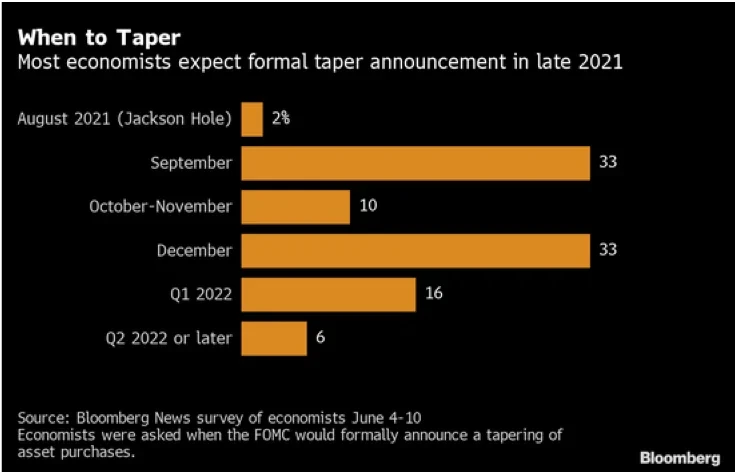
According to Bloomberg on June 14th, more than half of surveyed economists expect the median projection of 18 Fed officials to show at least one rate hike by 2023. Other economists believe the Fed will not raise rates until 2024 at the earliest.
What Are the Key Indicators for Fed Rate Hikes?
Examining Fed monetary policy adjustments—i.e., the conditions for rate hikes—there are two key factors: inflation and employment, which encompass "maximum employment, price stability, and appropriate long-term interest rates."
The U.S. labor market conditions and patterns are primarily assessed through indicators such as nonfarm payrolls, unemployment rate, ADP employment changes, and weekly initial jobless claims.
Nonfarm data consists of three key figures: nonfarm payrolls, employment rate, and unemployment rate, each with previous, expected, and actual values. As the name suggests, nonfarm data reflects employment conditions among the U.S. non-agricultural population. These three figures are released by the U.S. Department of Labor on the first Friday of each month.
Nonfarm Payrolls (NFP) reflect the development and growth of the manufacturing and services sectors. A decreasing number indicates reduced corporate output and economic downturn, while rapid economic development naturally drives increased consumption, creating more job opportunities in consumer and service industries. Employment is considered a pillar of national economic growth, and rising unemployment increases social instability.
The U.S. Department of Labor released the May jobs report on June 4th, showing 559,000 new jobs, below the market consensus expectation of 675,000, with April's figure revised up to 278,000. The unemployment rate dropped from 6.1% in April to 5.8% in May. This means U.S. nonfarm payrolls have missed expectations for two consecutive months.
ADP (Automatic Data Processing) is the abbreviation for Automatic Data Processing, Inc. U.S. ADP employment data is released by the U.S. Department of Labor on the first Wednesday of each month. ADP data serves as an early indicator of U.S. nonfarm employment and is therefore known as the "advance nonfarm payrolls." Weekly initial jobless claims also reflect U.S. employment and economic conditions.

While the Fed's tolerance for inflation far exceeds that for employment, and monetary policy will inevitably remain accommodative until employment recovers, inflation remains a key reference for Fed monetary policy adjustments. CPI and PCE are the two most commonly used inflation indicators in the U.S.
CPI (Consumer Price Index) is a macroeconomic indicator reflecting changes in the general price levels of consumer goods and services purchased by households, often called an inflation early warning system. Rising CPI indicates higher cost of living and decreased purchasing power of consumers. In 1975, U.S. economist Robert Gordon proposed core CPI, which removes products with significant price fluctuations due to climate and seasonal factors—specifically food and energy prices—to derive a cleaner consumer price index.
U.S. May CPI surged 5% year-over-year, the highest since August 2008, while core CPI rose 3.8%, the highest since 1992—both exceeded expectations. Previously, U.S. April CPI jumped 4.2% year-over-year, with core CPI at 3%, meaning CPI has exceeded expectations for two consecutive months, with intensifying inflationary pressure.
According to Wisburg, PCE (Personal Consumption Expenditures) is compiled by the Bureau of Economic Analysis, whose primary function is to provide the U.S. government with broadly representative macroeconomic trend analysis. The weights of goods in the CPI basket are largely determined by tracking actual consumer spending composition, but PCE adjusts commodity weights based on changes in the composition of goods carried by businesses. CPI generally only covers goods and services directly paid for by consumers, excluding indirect payments—for example, CPI does not include medical services paid through employer insurance, government Medicare, or Medicaid, but PCE does. CPI rarely or never adjusts the composition of goods in the index, whereas PCE frequently adjusts commodity composition to account for substitution effects caused by price increases in individual goods.
Like CPI, PCE has both core PCE and headline PCE variants. Regardless of whether it is core or headline, PCE has a smaller range of fluctuation than CPI. In terms of application, the Fed's policy philosophy drives its focus on long-term, broad-based inflation trends. Therefore, the Fed's 2% inflation target is calculated based on year-over-year core PCE.
PCE data is typically released on the last Friday of each month. U.S. May PCE data has not yet been disclosed; April PCE data rose 3.6% year-over-year, the fastest pace since 2008, while core PCE rose 3.1% year-over-year, the highest since July 1992.
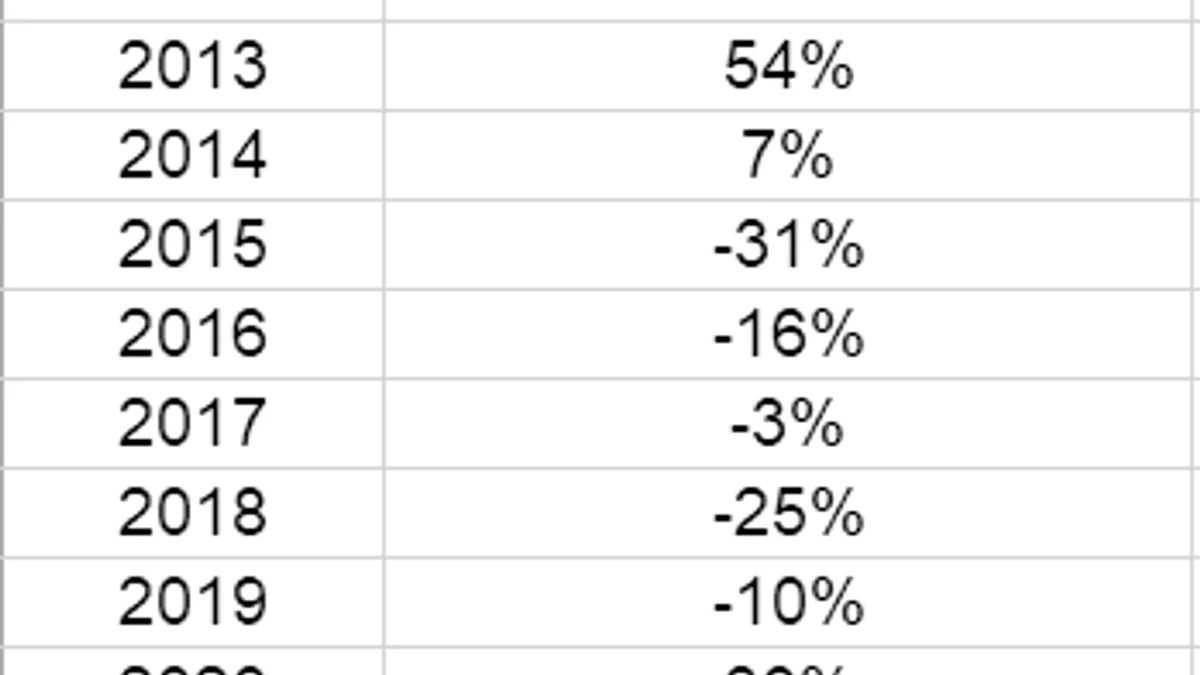
Having a solid understanding of the employment and inflation data the Fed monitors, we can make certain judgments about the current stage by reviewing the data around the previous two Fed rate hike cycles.
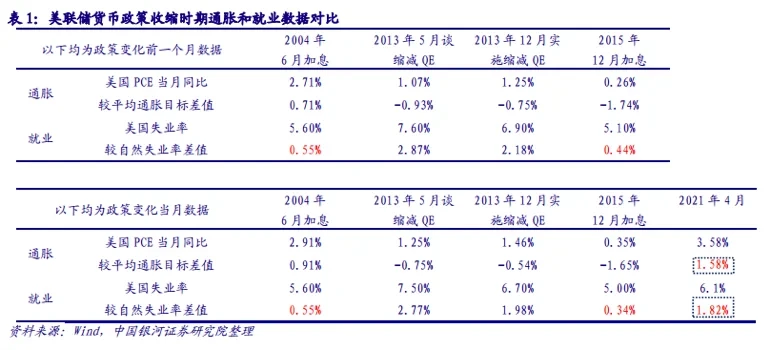
As the table shows, under normal economic conditions, when the unemployment rate reaches 7%-7.5%, the Fed typically prepares to implement QE tapering, and when unemployment falls to 5%-5.5%, the Fed begins raising rates. Inflation indicators are not prerequisites for policy adjustments—in the two rate hikes of 2004 and 2015, year-over-year PCE growth was 2.71% and 0.26% respectively, a significant gap. This shows that although inflation did not meet rate-hike conditions, the Fed still raised rates when employment conditions were satisfied.
Since U.S. May PCE data has not yet been disclosed, using April PCE data of 3.6% and April unemployment rate of 6.1%, the deviation of inflation from the average inflation target is 1.6%, indicating elevated U.S. inflationary pressure. Although May U.S. unemployment rate reached 5.8%, pandemic uncertainty has made the Fed extremely cautious about its monetary policy stance. It is expected that only when the U.S. achieves herd immunity in August will the Fed's concerns about the pandemic begin to ease—this is also the inflection point the market expects for Fed tapering signals. If calculated based on a conservative 2% monthly sequential improvement rate, U.S. unemployment rate may drop to 5% in early 2022, meeting the conditions for U.S. monetary policy tightening.
In the short term, the market has accepted the Fed's "inflation is temporary" narrative, with phased concerns about inflation subsiding. The tone of the Fed's June FOMC meeting will most likely remain unchanged. Bitcoin's fundamentals have not changed significantly. As of this writing, OKX Bitcoin price stands at $40,093.5. The primary support comes from the strong technical level at $34,800, followed by Musk's tweet implying Tesla may resume Bitcoin payment. OKX Research believes that although Bitcoin's recent 3-day trend has been strong, on a larger timeframe, it still faces resistance near the top of the broad consolidation range, with key resistance at $41,000 and stronger selling pressure in the $42,500-$43,000 range.
Additionally, it is worth noting that Bitcoin's Taproot proposal received 90% miner support on June 12th and is expected to activate on November 14th. This is the first consensus change since SegWit in 2017. As the most significant upgrade proposal in years, the Taproot upgrade will not only make complex applications like multi-signature and Layer 2 cheaper but also enhance privacy.
Disclaimer
This article may contain product-related content not applicable to your region. This article is intended to provide general information only and makes no representation as to any factual errors or omissions. The views expressed herein are solely those of the author and do not represent the views of OKX. This article is not intended to provide any advice, including but not limited to: (i) investment advice or investment recommendations; (ii) offers or solicitations to purchase, sell, or hold digital assets; or (iii) financial, accounting, legal, or tax advice. Holdings in digital assets (including stablecoins) involve a high degree of risk and may fluctuate significantly, or even become worthless. You should carefully consider whether trading or holding digital assets is appropriate for you based on your financial situation. For questions specific to your circumstances, please consult your legal/tax/investment professional. Any information provided herein (including market data and statistics, if applicable) is for general reference purposes only. While all reasonable precautions have been taken in preparing these data and charts, we assume no responsibility for any factual errors or omissions expressed herein. © 2025 OKX. This article may be reproduced or distributed in its entirety, or excerpts of 100 words or less may be used, provided such use is non-commercial in nature. Any reproduction or distribution of the full article must prominently state: "This article is copyrighted © 2025 OKX, used with permission." Permitted excerpts must cite the article title and include attribution, for example, "Article Title, [Author Name (if applicable)], © 2025 OKX." Some content may have been generated or assisted by artificial intelligence (AI) tools. Derivative works and other uses of this article are not permitted.
Show More
Recommended Reading
OKX Pay: Ushering in the Next Generation of Crypto Payment
Trusted by tens of millions of users. Register with OKX and enjoy an unparalleled trading experience and a diverse range of wealth management products. A letter from OKX CEO Star: Today, we officially launch the first version of OKX Pay to over 100 million global users. As the industry's first payment application to truly achieve non-custodial and compliant integration, OKX Pay will be embedded directly in the OKX App, currently available in select markets, with a full global rollout expected in the coming months.
March 22, 2026

A New Chapter: Building the Next Generation of Financial Infrastructure Together
The collaboration between OKX and Intercontinental Exchange (ICE) marks a significant milestone for OKX, and is equally momentous for the evolution of the entire digital assets market. ICE builds and operates the world's most critical financial infrastructure, including the New York Stock Exchange and global derivatives and clearing platforms. This investment by ICE Select in OKX and its addition to our Board of Directors reflects our shared belief—that digital assets technology will reshape financial markets.
March 10, 2026

To Another Year of Building
As OKX's CEO and a builder who never forgets the original mission, I am proud to look back on the extraordinary growth and progress OKX has achieved this year. Despite the challenges, 2024 was a year defined by focus, innovation, and resilience. Not only did we expand and improve our products, but we also made significant strides in launching transparent and regulation-compliant localized businesses, while further strengthening our global management team. It is worth noting that after
January 29, 2026

2025: Steady Progress Toward Financial Freedom
— An End-of-Year Letter to Global Users from Star, Founder and CEO of OKX "Financial freedom" is often misunderstood. It does not mean the absence of rules, but rather the right to make choices within a framework of rules—and that when the system is truly put to the test, it remains reliable and effective. This is what we focused on throughout 2025. First, I would like to extend my sincere gratitude to our global customers, partners, and regulators.
January 16, 2026

OKX Officially Launches in Germany and Poland
By Erald Ghoos, CEO of OKX Europe Today is a significant day for OKX—and for crypto users across Europe. We have officially launched a fully compliant centralized cryptocurrency exchange in Germany and Poland! For us, this is more than a geographic expansion; it is a commitment to building the future of cryptocurrency the right way: secure, transparent, and tailored to local needs. If you are in Germany
October 21, 2025

Partnership Upgrade! OKX and Standard Chartered Join Forces to Expand into Europe
On October 15th, Erald Ghoos, CEO of OKX Europe, stated that OKX is expanding its strategic partnership with Standard Chartered to the European Economic Area (EEA). Earlier this year, OKX and Standard Chartered first partnered in the UAE, launching a collateral mirroring initiative—an
October 15, 2025