GBTC Negative Premium Recovery Signals Institutional Buying; Is Grayscale's ETF Conversion Imminent?
Last evening, Bitcoin experienced a sharp decline with increased volume. According to OKX platform data, Bitcoin dropped to a low of $28,808.0 before gradually recovering above $30,000. At the time of writing, Bitcoin is trading at $33,786.5, representing a 48% decline from its all-time high of $64,846.9 reached on April 14.
Due to the continuous decline over the past three months, Bitcoin's year-to-date gains have fallen to 15.38%, underperforming last year's returns. With eight days remaining until the end of June, unless Bitcoin rebounds to $37,000, it will post three consecutive monthly red candles.
Some analysts who focus on technical indicators note that Bitcoin's technical outlook currently appears unfavorable. Beyond failing to reclaim the 200-day moving average, the 50-day moving average crossed below the 200-day moving average last weekend, forming a "death cross"—a signal typically viewed as a precursor to further selling pressure.
Grayscale founder Barry Silbert previously tweeted his prediction that the crypto market would experience volatility during the final week of June. He disclosed that he had gone long on the VIX index through UVXY and believes 99% of cryptocurrency prices are overvalued. Notably, GBTC shares will see large-scale unlocks between June 20-22 and July 15-20. Under normal circumstances, GBTC's negative premium should widen further, but recently it has shown signs of recovery.
Coin Shares' crypto assets fund flow weekly report indicates that Bitcoin investment products have experienced outflows for six consecutive weeks, with $89 million in funds exiting. Since the beginning of the year, cumulative outflows have reached $487 million. Institutions were the primary driving force behind this bull market, and their withdrawal is seen as a sign of declining market confidence.
GBTC Faces Massive Unlock as Bitcoin Forms "Death Cross"
The term "Grayscale bull" was coined to describe the early phase of this bull market, referring to the direct "bottoming" and "boosting" effect on prices after Grayscale's Bitcoin trust began aggressively accumulating Bitcoin in October. This institutional buying spree triggered the subsequent institutional bull run. After Bitcoin broke above $12,000, resistance intensified significantly. However, Grayscale's substantial additions—buying more as selling pressure increased—provided crucial support. As we noted in "GBTC's 24th Day of Negative Premium: Has the 'Grayscale Bull' Bowed Out?", Grayscale was accumulating over 1,000 Bitcoin daily at that time, exceeding Bitcoin's daily production. Such substantial buying power enabled Bitcoin to maintain a healthy upward trajectory and build strong bullish momentum.
From November 1 last year to February 18 this year, Grayscale accumulated 180,200 Bitcoin, with particularly steep growth from mid-November through January. Under the 6-month lock-up requirement, these Bitcoin holdings will unlock starting in April, meaning substantial GBTC unlocks will occur from April through August, with peak unlocks beginning in mid-April and continuing through July.
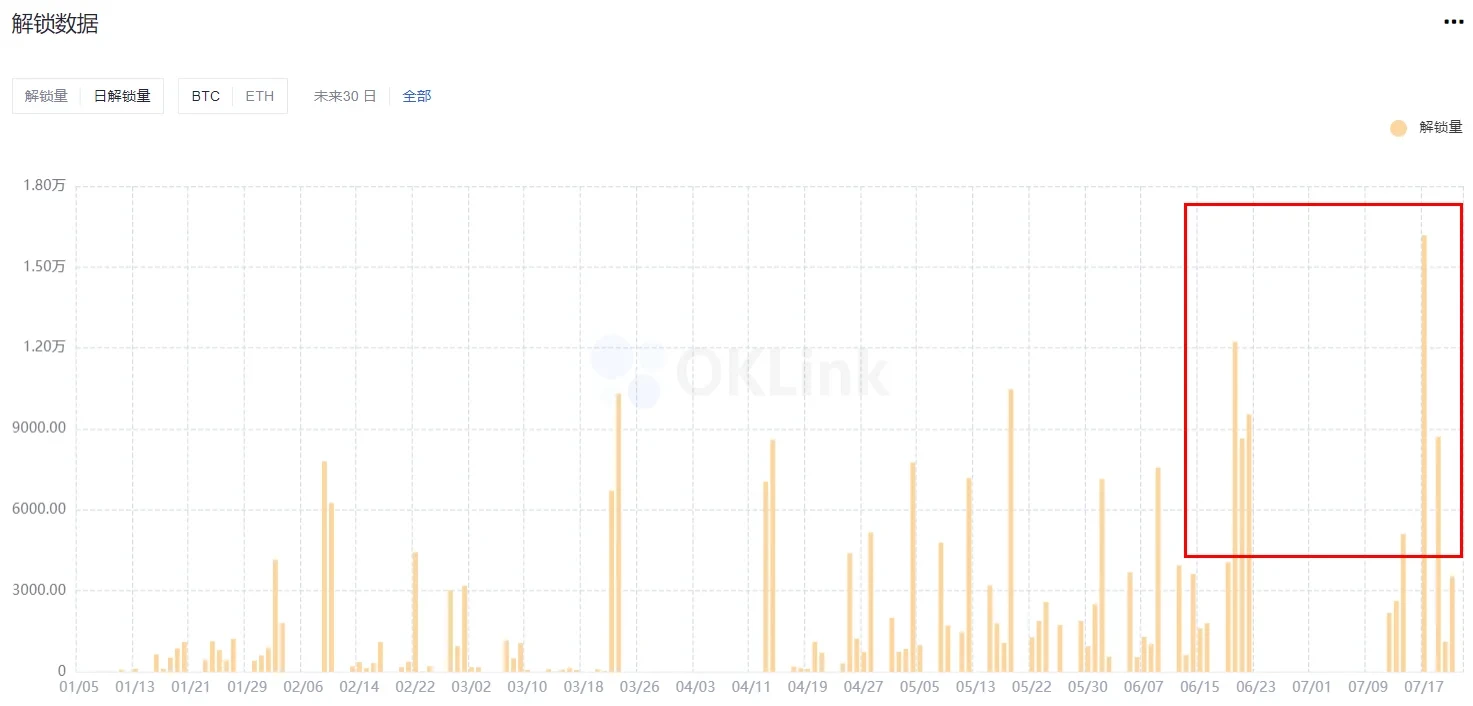
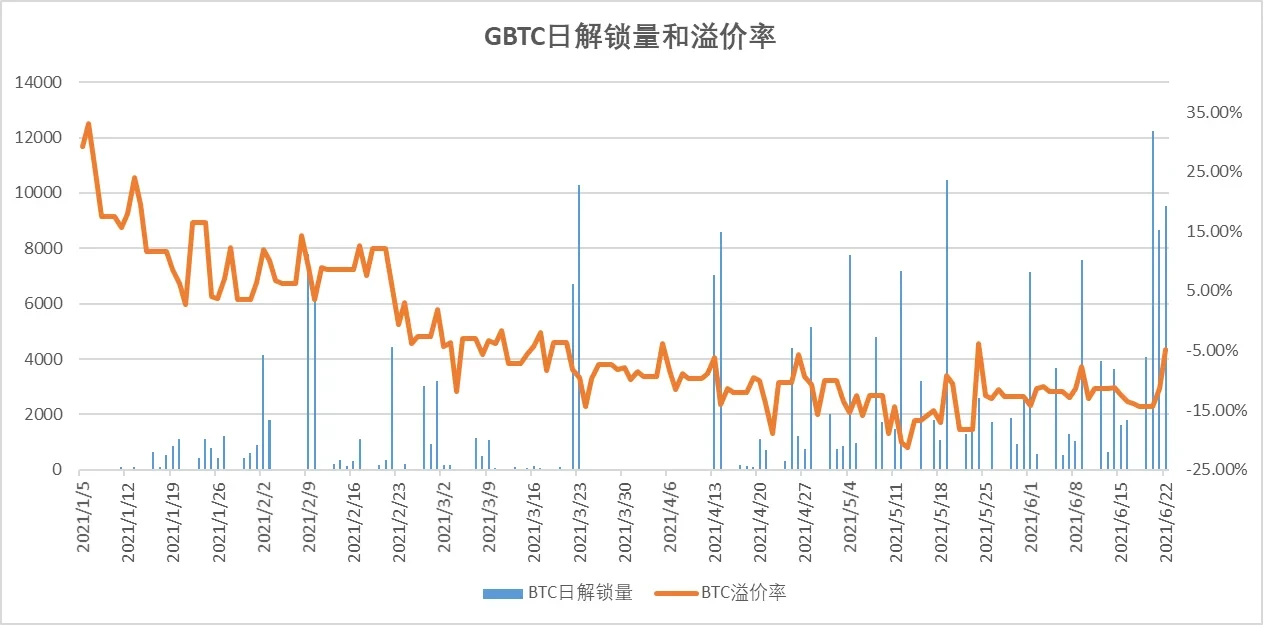
OK Link data shows that from April 14 to June 22, GBTC equivalent to 147,400 Bitcoin has already unlocked. From June 23 to July 22, an additional 39,500 Bitcoin equivalent of GBTC will face unlocking.
The chart below clearly illustrates that a peak unlock period occurred from June 19-22, with approximately 34,500 Bitcoin equivalent of GBTC unlocking. On July 17, the largest single-day unlock on record—16,200 Bitcoin—will occur.
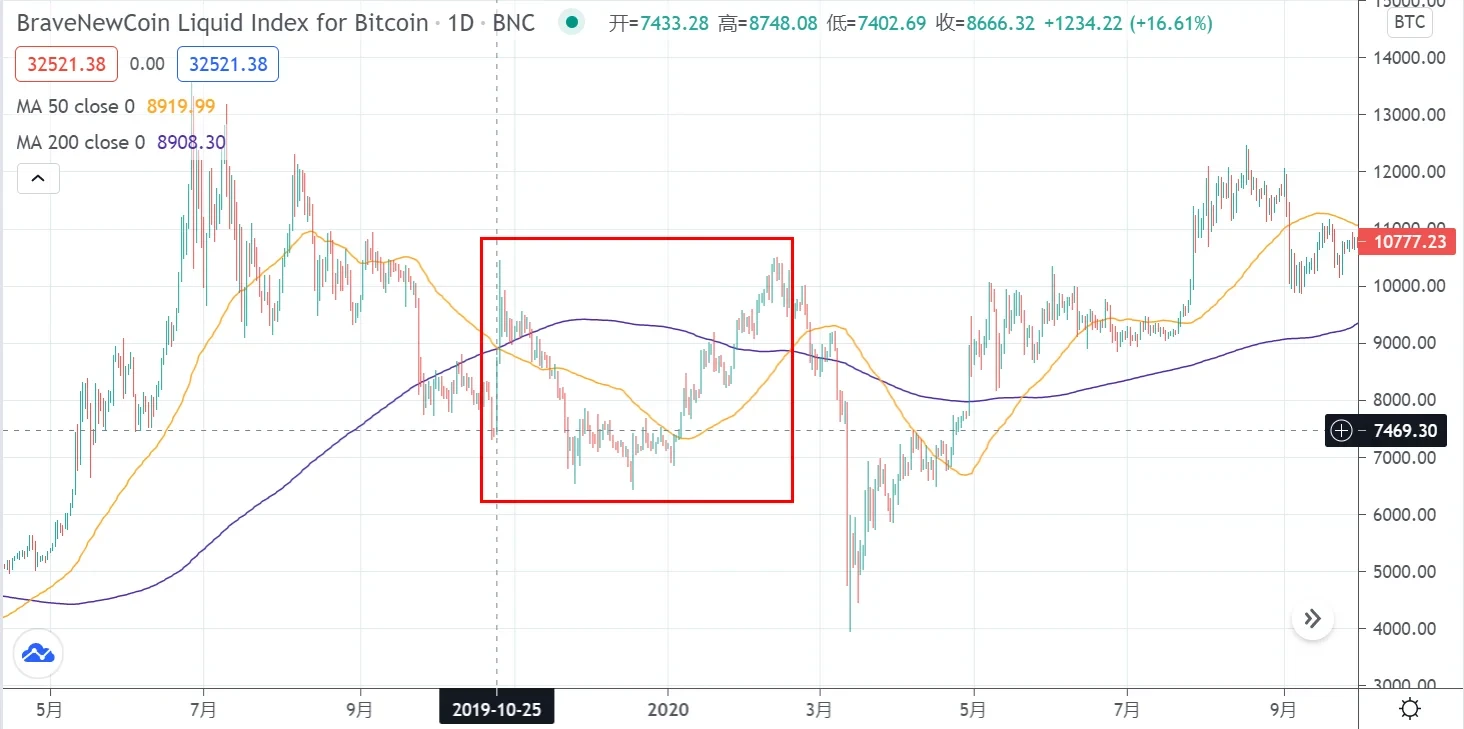
Coincidentally, during June 19-22, Bitcoin's technical chart formed a "death cross." A death cross occurs when the 50-day moving average crosses below the 200-day moving average, and this signal is considered a predictor of further Bitcoin declines.
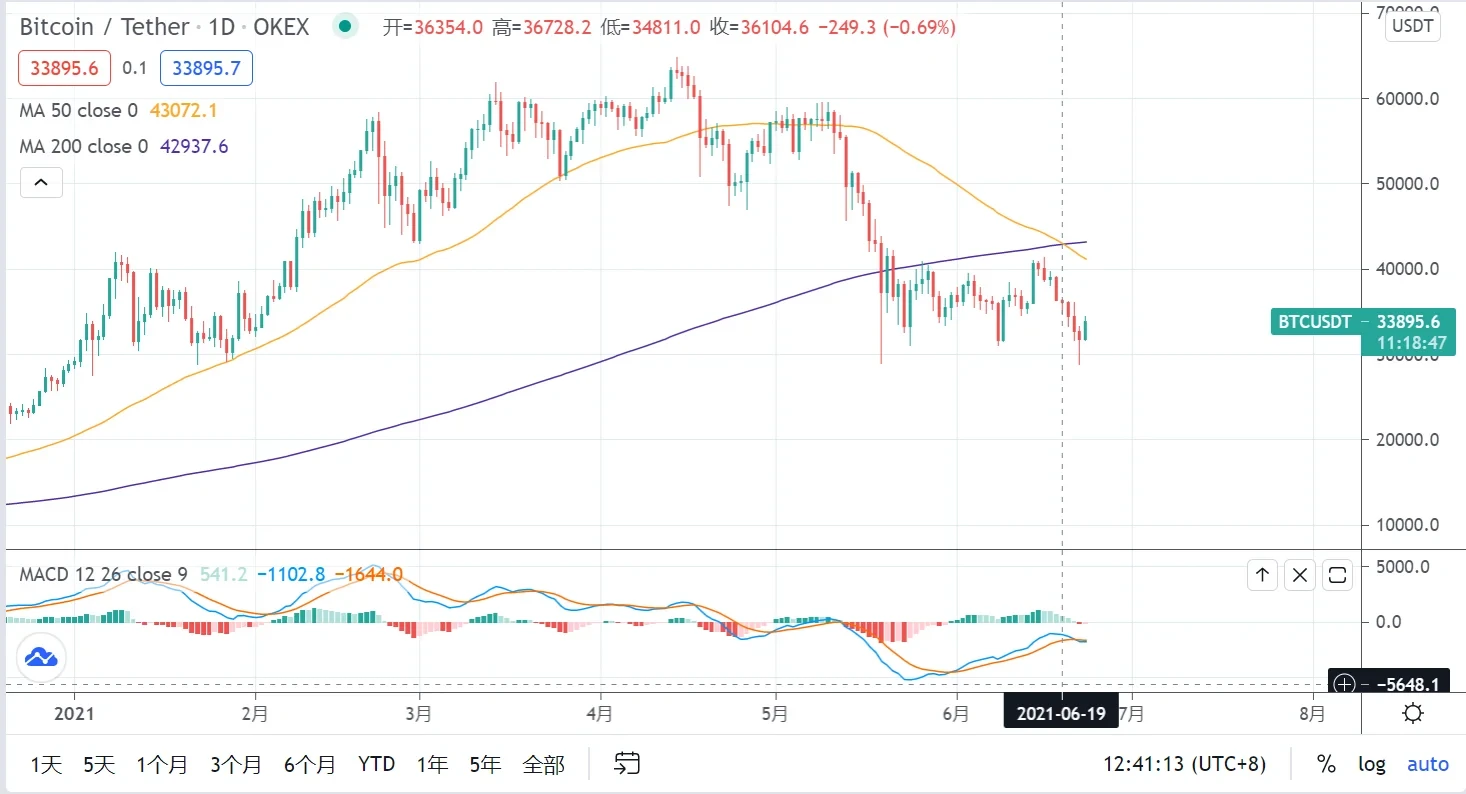
Reviewing Bitcoin's historical data from 2011 to 2021, there have been seven death crosses (excluding the current one): September 27, 2011; April 8, 2014; September 4, 2014; September 13, 2015; March 30, 2018; October 25, 2019; and March 25, 2020.
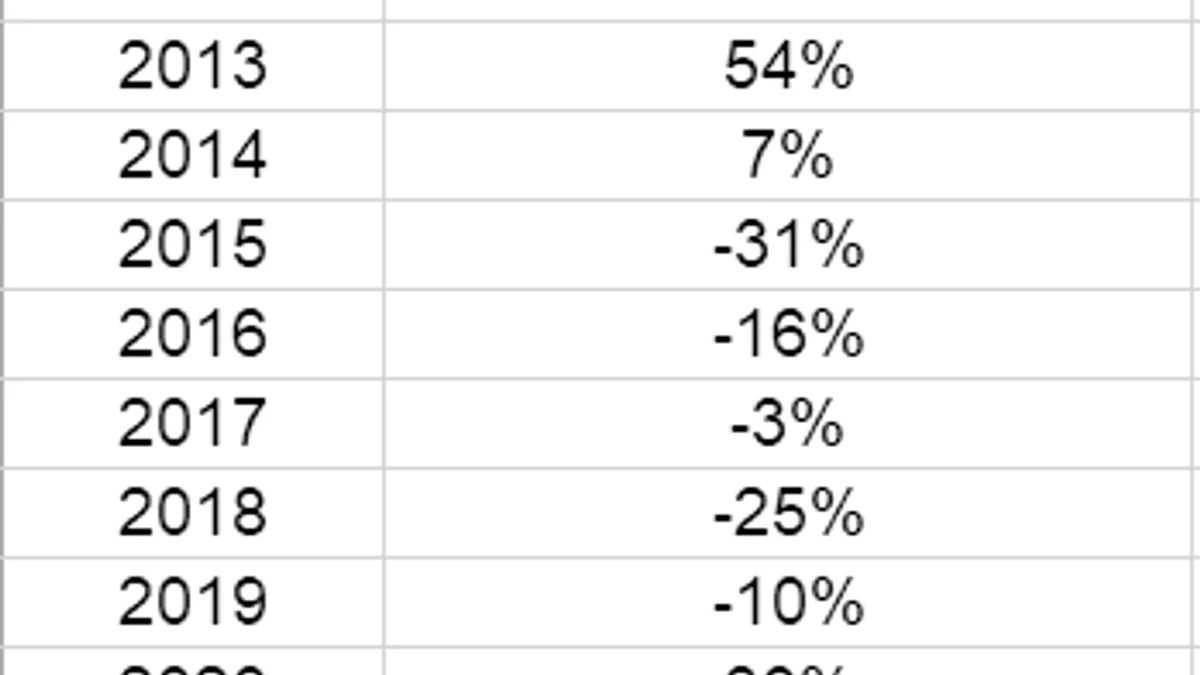
Notable declines following death crosses occurred on September 4, 2014 (64% drop), March 30, 2018 (14% drop), and October 25, 2019 (24% drop).
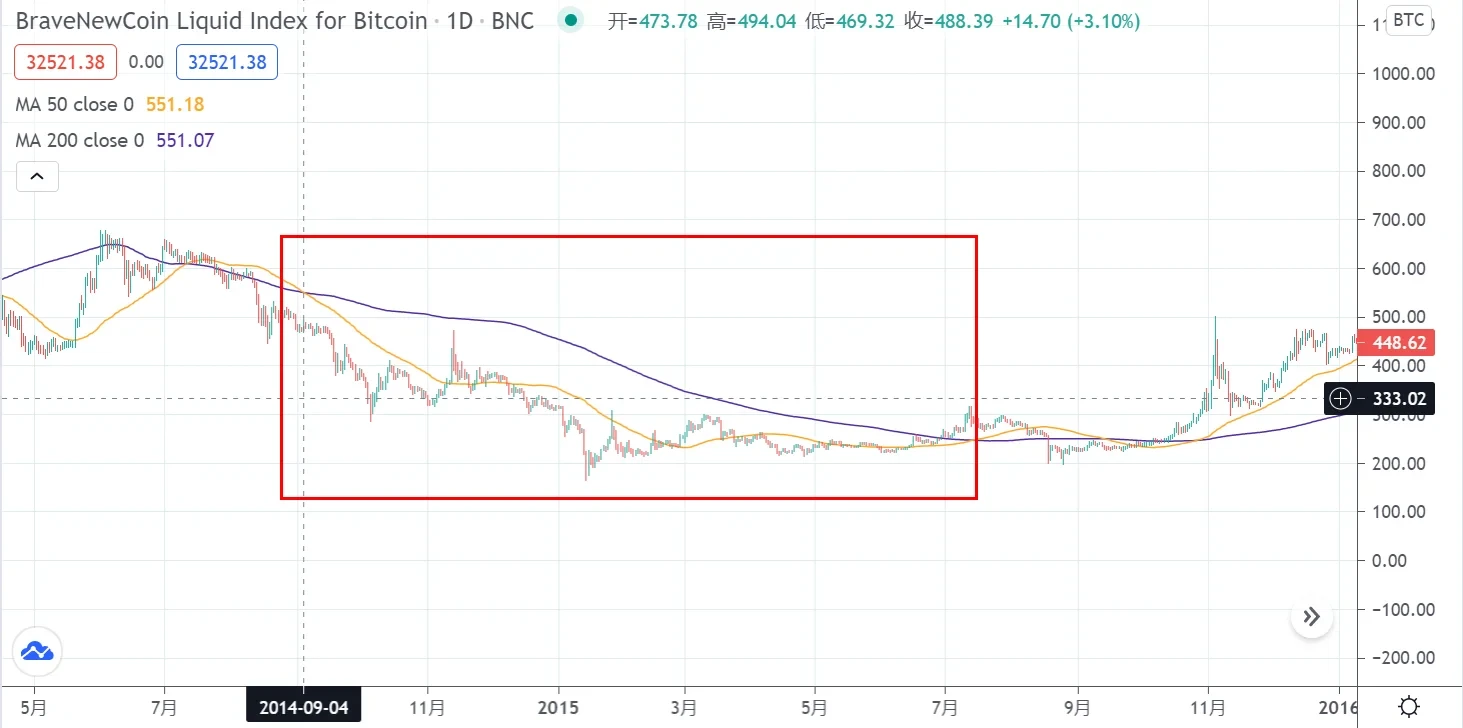
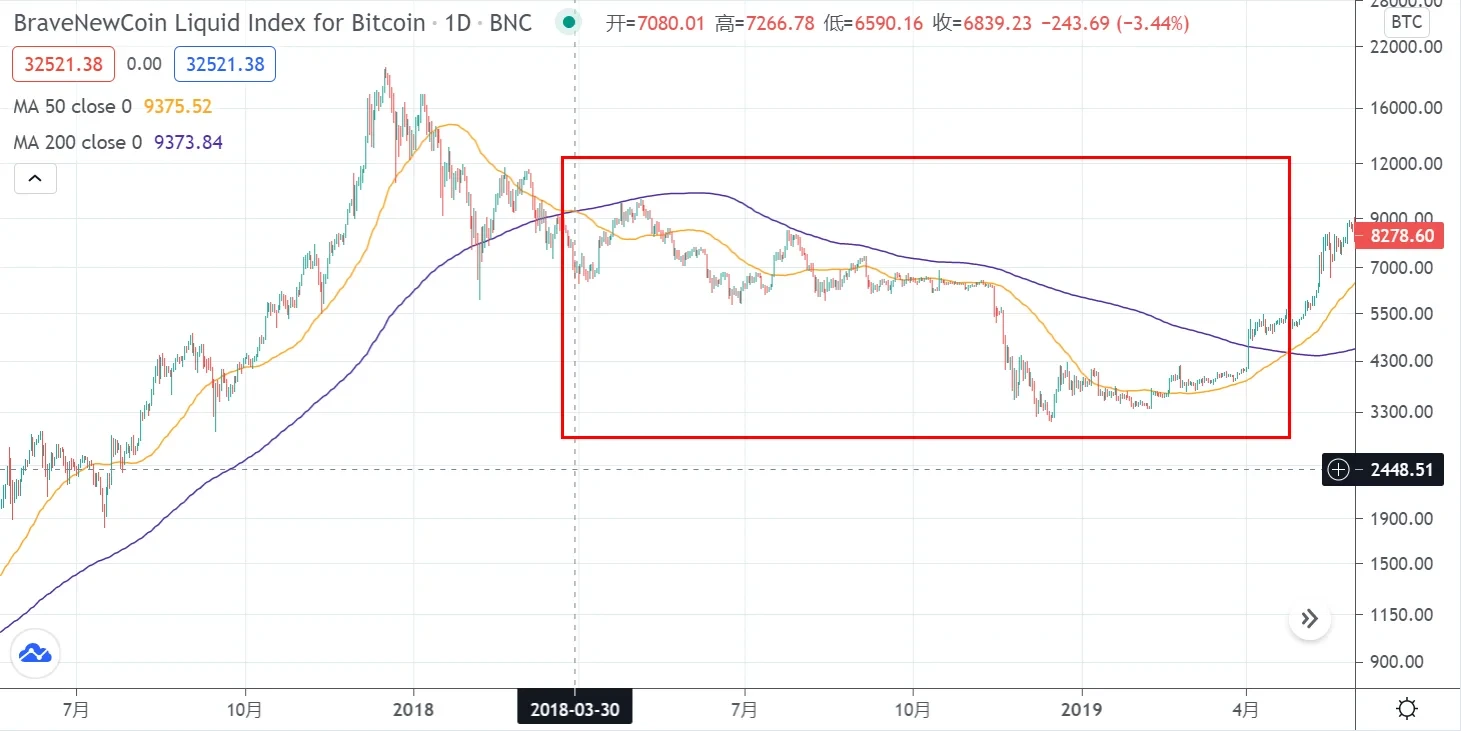
When compiled into a table, we can see that one month after a death cross, Bitcoin closed lower on four occasions, with three of those still below the death cross price after three months—though the declines were diminishing. On three occasions, Bitcoin rose instead of falling after a death cross, with two of those extending their gains after three months.
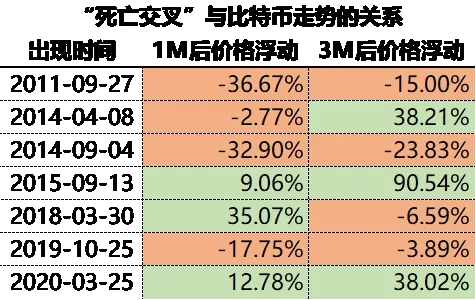
In summary, over the past seven years, while Bitcoin declined more often than it rose one month after a death cross, the downward trend showed varying degrees of reversal after three months. Furthermore, if Bitcoin posted positive returns one month after a death cross, the upward momentum tended to persist. Therefore, betting on declines after a death cross may benefit short-term speculation but is unfavorable for long-term investment.
Crypto analyst Benjamin Cowen expressed confidence in the market outlook, noting that moving averages are lagging indicators. Their appearance merely confirms that the death cross has completed—it's already too late to short—and bulls can now anticipate a potential "golden cross."
While historical data suggests the outlook isn't bleak, following this death cross, Bitcoin fell from $36,728.2 on June 19 to a low of $28,808.0 on June 22—a 22% decline. However, Bitcoin bounced back the day after the crash and, at the time of writing, has reclaimed $33,000, though still down 8% from the June 19 high.
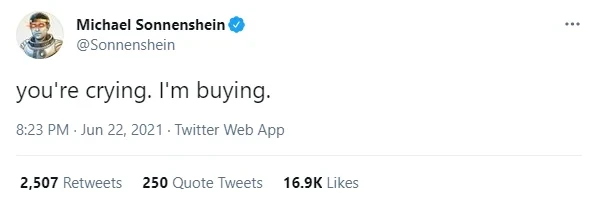
During yesterday's decline, Grayscale CEO Michael Sonnenshein tweeted, "You're crying, I'm buying."
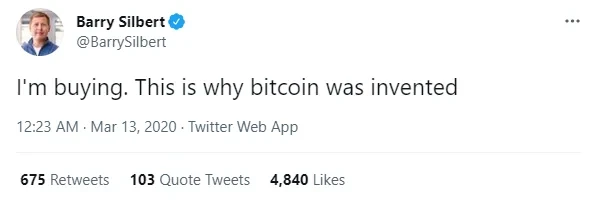
This tweet inevitably brings to mind a similar message from Grayscale founder Barry Silbert after the March 12, 2020 crash: "I'm buying. This is why Bitcoin was invented." This statement was seen as a confidence booster, and Bitcoin more than doubled in the following two months.
GBTC Negative Premium Recovery Signals ETF Approval? Institutions Divided on Market Outlook
On March 11, reports indicated that Grayscale suspended new investments into its Bitcoin trust. From March 11 to June 22, 172,000 Bitcoin equivalent of GBTC unlocked.
The chart below shows that whenever GBTC unlock volumes increased, the premium rate declined significantly—such as on March 23, 2021, and April 13, 2021. During the密集 unlocks from late April through late May, GBTC's premium once fell to -21.23%.
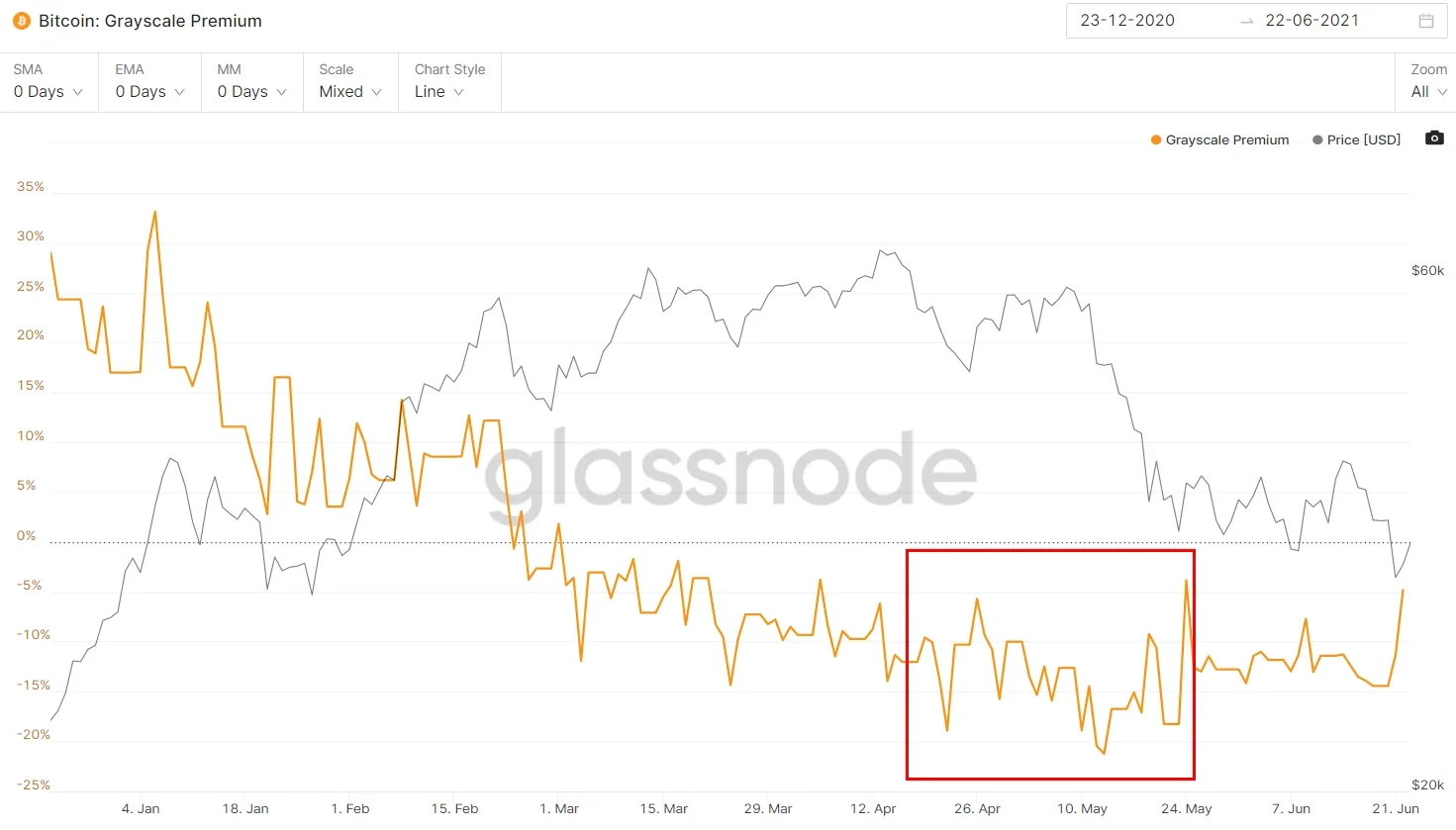
On March 10, Grayscale's parent company DCG announced it would purchase approximately $250 million of outstanding GBTC. On May 3, DCG disclosed it had acquired $193.5 million worth of GBTC stock in April and planned to increase its buyback capacity to $750 million. Following these announcements, GBTC's negative premium recovered to varying degrees, but continued to widen in the face of massive unlock volumes (marked by red arrows).
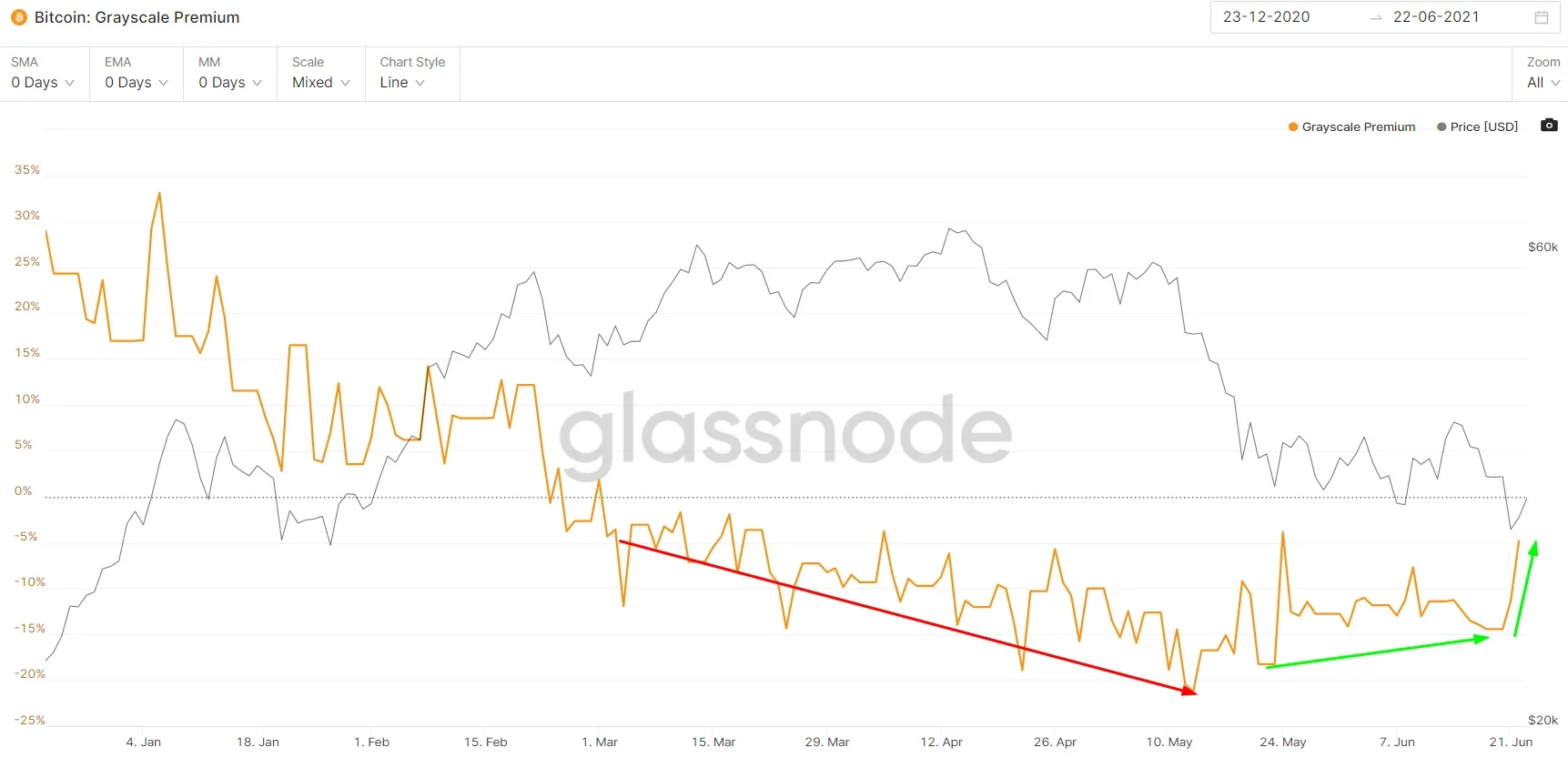
However, this trend has shown a notable reversal recently. As GBTC unlocks increased, its negative premium has actually recovered—particularly from June 19-22, when 34,500 Bitcoin equivalent unlocked, yet the negative premium recovered from -14.44% to -4.83% (second green arrow).
Those familiar with Grayscale's trust model understand that before Bitcoin ETFs and other compliant Bitcoin products emerged, Grayscale was institutions' primary entry point. Grayscale allows qualified investors to subscribe using cash or in-kind contributions, both requiring Bitcoin purchases in the secondary market. The non-redeemable mechanism shifts selling pressure to U.S. equities markets, while GBTC's high premium created arbitrage opportunities across markets, facilitating a perfect闭环 of funds flowing back into the crypto ecosystem. This made Grayscale's Bitcoin trust a powerful "buy-only" force in the market.
However, since Grayscale's premium turned negative on March 2, this arbitrage opportunity disappeared. Given Grayscale's heavy Bitcoin accumulation from October through February, and the 6-month unlock schedule, substantial unlocks were expected from April through August. Under normal conditions—with no arbitrage mechanism and massive selling pressure expected—the negative premium should have continued to decline. Yet Grayscale's negative premium has shown steady recovery recently, indicating institutional accumulation in the secondary market. Supporting this, on June 23, Cathie Wood's ARK Investment Management purchased approximately 1.05 million GBTC shares.
Recall that on April 5, Grayscale published an article committing to convert GBTC to an ETF. As the world's largest public holder of Bitcoin and based on years of experience dealing with the SEC, we have reason to believe Grayscale has a high probability of securing approval. If a Grayscale ETF is imminent, the recent recovery in the negative premium becomes explainable. If this positive development materializes, it would not only generate substantial profits for institutions currently accumulating at low prices but also provide significant support for Bitcoin's future price trajectory.
While Grayscale's GBTC negative premium has recovered, some institutions have shown signs of losing confidence. According to Coin Shares' latest crypto assets fund flow weekly report, Bitcoin-related investment products have experienced outflows for six consecutive weeks, with $89 million in funds exiting. Year-to-date outflows have reached $487 million. As institutions were the primary driving force behind this bull market, their withdrawal is seen as a sign of declining market confidence and weakening bullish momentum. Previous reports indicated that Bitcoin fund holdings hit a 4-month low, showing that institutions are beginning to diverge in their views.
The market is currently in a tug-of-war between bulls and bears, with分歧 widening between "continued bull run" and "full bear market" perspectives. A clear winner is difficult to determine in the short term, but the market continues to move forward.
Disclaimer
This article may contain content related to products not available in your region. This article is intended to provide general information only and is not responsible for any factual errors or omissions. The views expressed are those of the author and do not represent the views of OKX. This article is not intended to provide any of the following, including but not limited to: (i) investment advice or recommendations; (ii) offers or solicitations to buy, sell, or hold digital assets; or (iii) financial, accounting, legal, or tax advice. Holding digital assets (including stablecoins) involves high risk, may experience significant volatility, and could become worthless. You should carefully consider whether trading or holding digital assets is suitable for you based on your financial situation. For questions regarding your specific circumstances, please consult your legal/tax/investment professionals. Information appearing in this article (including market data and statistics, if any) is for general reference only. While we have exercised all reasonable care in preparing this data and these charts, we assume no responsibility for any factual errors or omissions expressed herein. © 2025 OKX. This article may be reproduced or distributed in its entirety, and excerpts of 100 words or less may be used, provided such use is non-commercial. Any reproduction or distribution of the entire article must prominently state: "Copyright © 2025 OKX, used with permission." Permitted excerpts must cite the article title and include attribution, such as "Article Title, [Author Name (if applicable)], © 2025 OKX." Some content may be generated or assisted by artificial intelligence (AI) tools. Derivative works or other uses of this article are not permitted.
Show More
Recommended Reading
OKX Pay: Ushering in a New Era of Next-Generation Crypto Payments
The choice of tens of millions of users. Register with OKX to enjoy an exceptional trading experience and diverse wealth management products. A letter from OKX CEO Star: Today, we officially launch the first version of OKX Pay to over 100 million global users. As the industry's first payment application to truly achieve the integration of non-custodial and compliance, OKX Pay will be embedded within the OKX App. It is currently available in select markets and is expected to roll out comprehensively within months.
March 22, 2026

A New Chapter: Building Next-Generation Financial Infrastructure Together
The partnership between OKX and Intercontinental Exchange (ICE) is a significant moment for OKX and equally meaningful for the evolution of the digital assets market. ICE builds and operates the world's most important financial infrastructure, including the New York Stock Exchange and global derivatives and clearing platforms. ICE's strategic investment in OKX and joining our board reflects our shared belief that digital assets technology will play a crucial role in financial markets.
March 10, 2026

To Another Year of Building Through Challenges
As CEO of OKX and a builder who remains true to his original vision, I look back with pride on the extraordinary growth and progress OKX achieved this year. Despite numerous challenges, 2024 was a year of focus, innovation, and resilience. We not only expanded and optimized our products but also made important progress in launching transparent, regulation-compliant localized businesses while further strengthening our global management team. Notably, after experiencing...
January 29, 2026

2025: Steady Progress Toward Financial Freedom
— Year-End Letter from OKX Founder and CEO Star to Global Users. "Financial freedom" is often misunderstood. It doesn't mean the absence of rules, but rather having the choice even when rules exist—and when the system is truly tested, it remains reliable and effective. This is what we focused on throughout 2025. First, I want to extend sincere gratitude to our global customers, partners, and regulators.
January 16, 2026

OKX Officially Launches in Germany and Poland
Author: Erald Ghoos, CEO of OKX Europe. Today is a significant day for OKX—and for crypto users across Europe. We have officially launched a fully compliant centralized cryptocurrency trading platform in Germany and Poland! For us, this is not just geographic expansion but a commitment to building the future of cryptocurrency the right way: secure, transparent, and meeting local needs. If you are in Germany...
October 21, 2025

Partnership Upgrade! OKX Collaborates with Standard Chartered to Expand in European Markets
On October 15, Erald Ghoos, CEO of OKX Europe, announced that OKX is extending its strategic partnership with Standard Chartered to the European Economic Area (EEA). Earlier this year, OKX first partnered with Standard Chartered in the UAE to launch a collateral mirroring program—this is...
October 15, 2025