Grayscale Metaverse Report Analysis: Virtual World Gaming Revenue to Reach $400 Billion by 2025
2021 has been an exciting year for cryptocurrency. Looking back at this year's crypto market, the metaverse is certainly a topic that cannot be ignored. Throughout the year, not only did Facebook announce its "all in" approach to the Metaverse, but major technology and financial companies both domestically and internationally have also been laying out their plans, and institutional players are no exception. In addition to the significant growth in metaverse-related investment and financing deals this year, many institutions have also been paying close attention to the development and prospects of the metaverse. Grayscale, for example, has been particularly focused on the metaverse lately — not only publishing an in-depth metaverse report, but also conducting a thorough analysis of the metaverse representative project Decentraland, and is jointly hosting the first-ever virtual New Year's party with Decentraland and DCG.
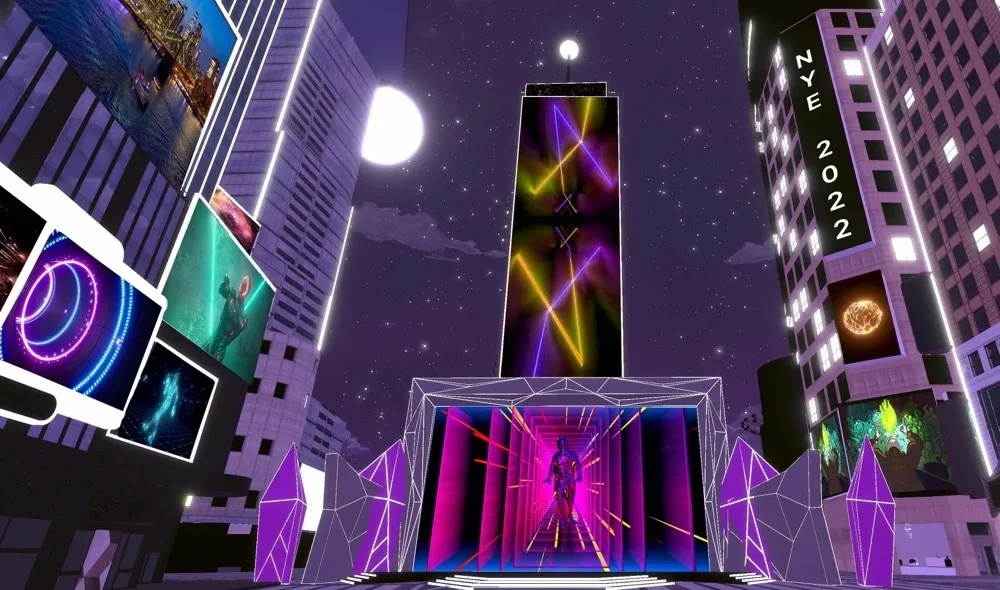
This article will present the main content of the Grayscale Metaverse Report. This report primarily explores Web3.0 and the crypto cloud economy.
Introduction
The crypto cloud economy is the next frontier of emerging market investment, and the Metaverse is at the forefront of this Web 3.0 internet transformation. The metaverse is a series of interconnected, experiential 3D virtual worlds where people can socialize in real time from anywhere, forming a persistent, user-owned internet economy that spans the digital and physical worlds.
The metaverse is still emerging, but many key components have already begun to take shape and are revolutionizing everything from e-commerce to media and entertainment, and even real estate. Projects like Decentraland have created an open metaverse world where users can enter to play games, earn MANA tokens, or create NFTs, providing real-world interoperability for the time they spend in-game.
The potential of this internet transformation has already begun attracting Web 2.0 companies like Facebook, which is pivoting to become a metaverse company and changing its name to "Meta". At this inflection point, other leading Web 2.0 technology companies may need to start exploring the metaverse to remain competitive, and the spotlight has prompted a new wave of investment in this emerging crypto sector.
The Thesis on the "Meta"
The internet has always been about connecting each and every one of us. Over the past three decades, internet technology has continuously evolved, and the methods by which we interact with the network have evolved alongside it. Much has changed, but three key eras of the web community can be identified:
- Web 1.0 — Netscape connected us
- Web 2.0 — Facebook connected us into online communities
- Web 3.0 — Decentraland connects us into a community-owned virtual world
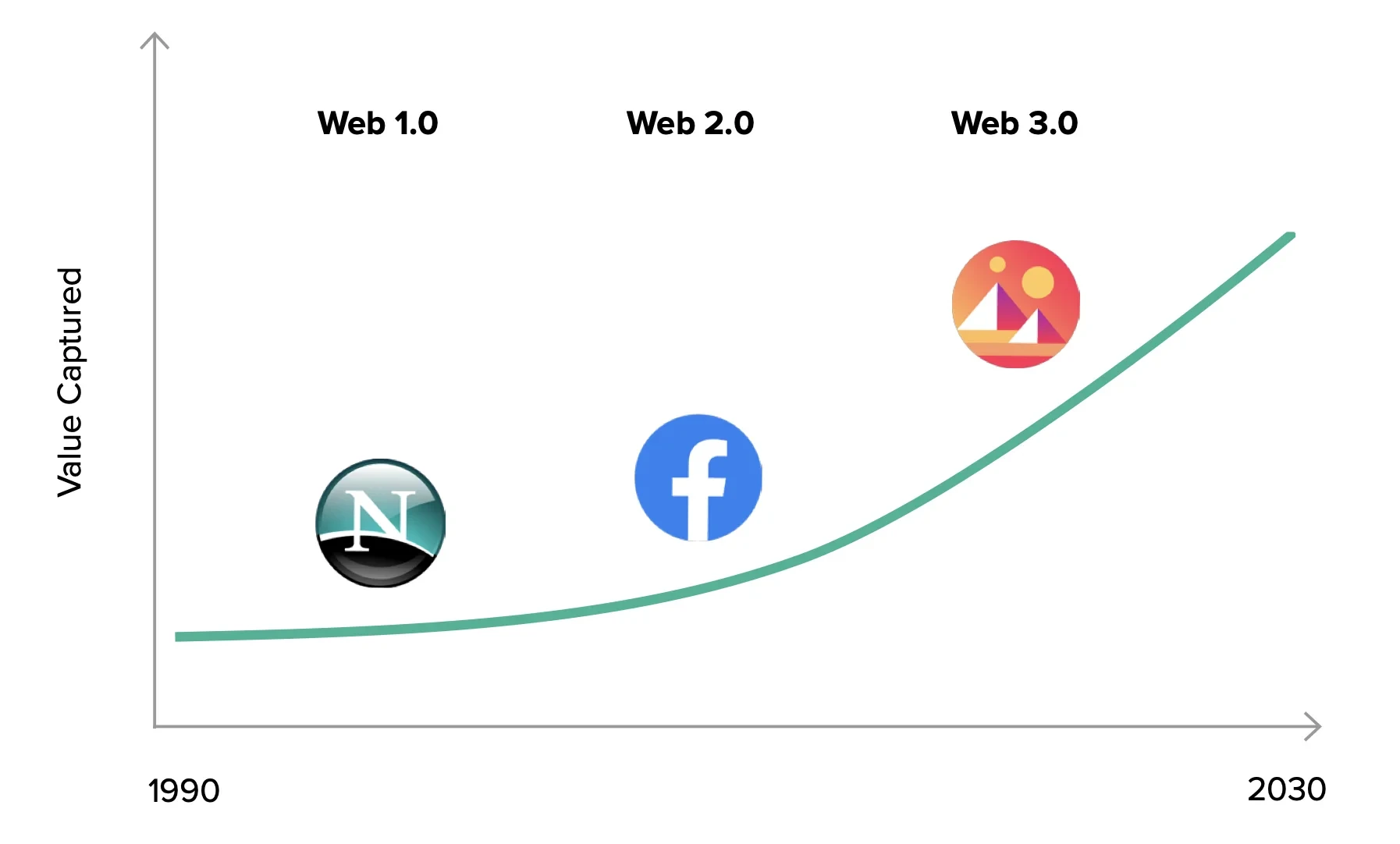
Figure 1: Evolution of the Web Community
As the internet era has evolved, we have personally experienced how the organizational structures connecting us have transformed, how the computing infrastructure we rely on has matured, and how control over the network has shifted away from communities and toward big tech companies.
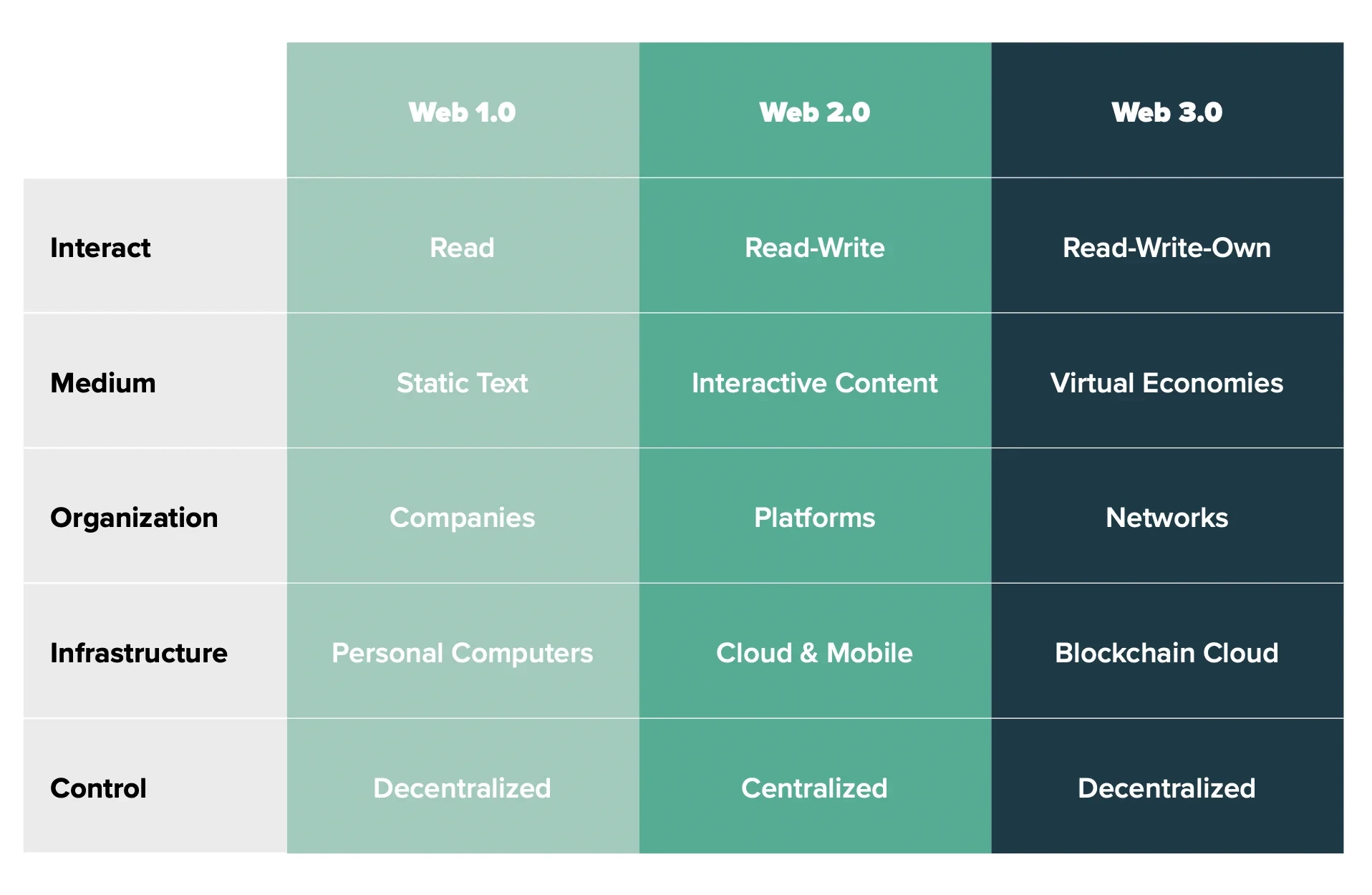
Figure 2: Key Features of Web 1.0, 2.0, and 3.0
Web 2.0 mobile internet changed how, where, when, and why we use the internet. In turn, this changed the products, services, and companies we use, thereby transforming our business models, culture, and politics — Web 3.0 Metaverse has the potential to do the same.
The Market Opportunity of the Metaverse
More and more of our attention — especially that of the younger generation — is shifting toward digital activities. Our social lives and gaming are converging, creating a massive and rapidly growing virtual goods consumption economy. It is estimated that revenue from virtual gaming worlds will grow from $180 billion in 2020 to $400 billion by 2025.
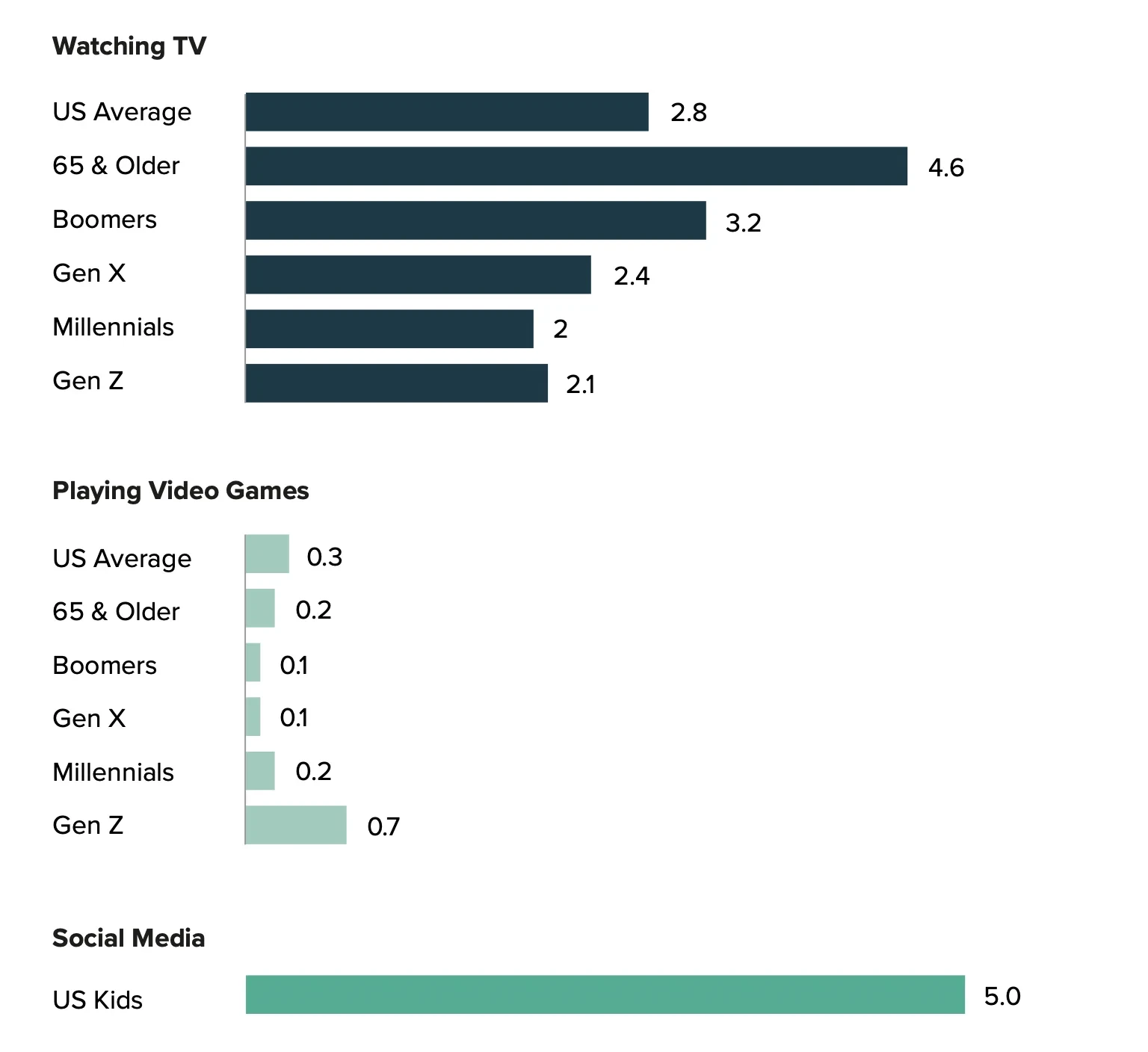
Figure 3: Average Daily Time Spent on Specific Leisure Activities
The continuous shift in monetization models among game developers is a key driver of this growth trend. More and more players are shifting from paid games to free-to-play games, with developers generating revenue by selling in-game items to players to enhance gameplay or social status.
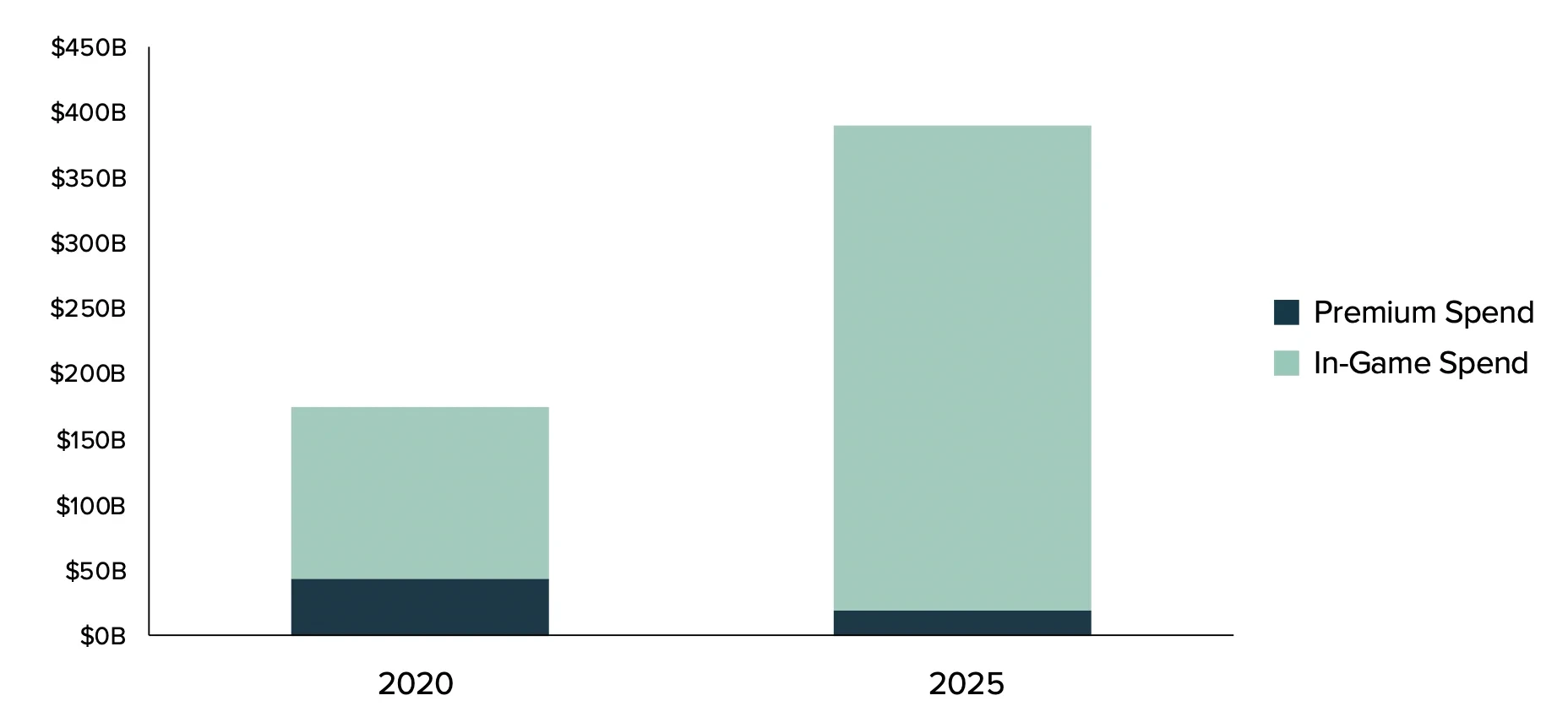
Figure 4: Global Virtual World Revenue Growth
This shift is being further accelerated by the transition from Web 2.0 closed, corporate metaverse networks to Web 3.0 open, crypto metaverse networks. These metaverse worlds are respectively:
- Web 2.0 closed, corporate metaverse: Owned or controlled centrally by big tech companies;
- Web 3.0 open, crypto metaverse: Democratically owned and controlled by users worldwide.
Today, many gamers spend money and accumulate digital wealth in Web 2.0 closed, corporate metaverse worlds. However, the problem is that most game developers do not allow players to profit from their own investment and effort. Developers prohibit players from trading items Trading with other players and lock these worlds down so that players cannot transfer their in-game wealth to the real economy.
Web 3.0 open crypto metaverse networks solve this problem by eliminating the capital controls that Web 2.0 platforms impose on these virtual worlds. This new paradigm allows users to hold their own digital assets as NFTs (Non-Fungible Tokens) and trade them with others in games, and bring them into other digital experiences, creating a brand-new freemarket internet-native economy that can generate profit in the real world. This evolution of the "creator economy" is called "play to earn."
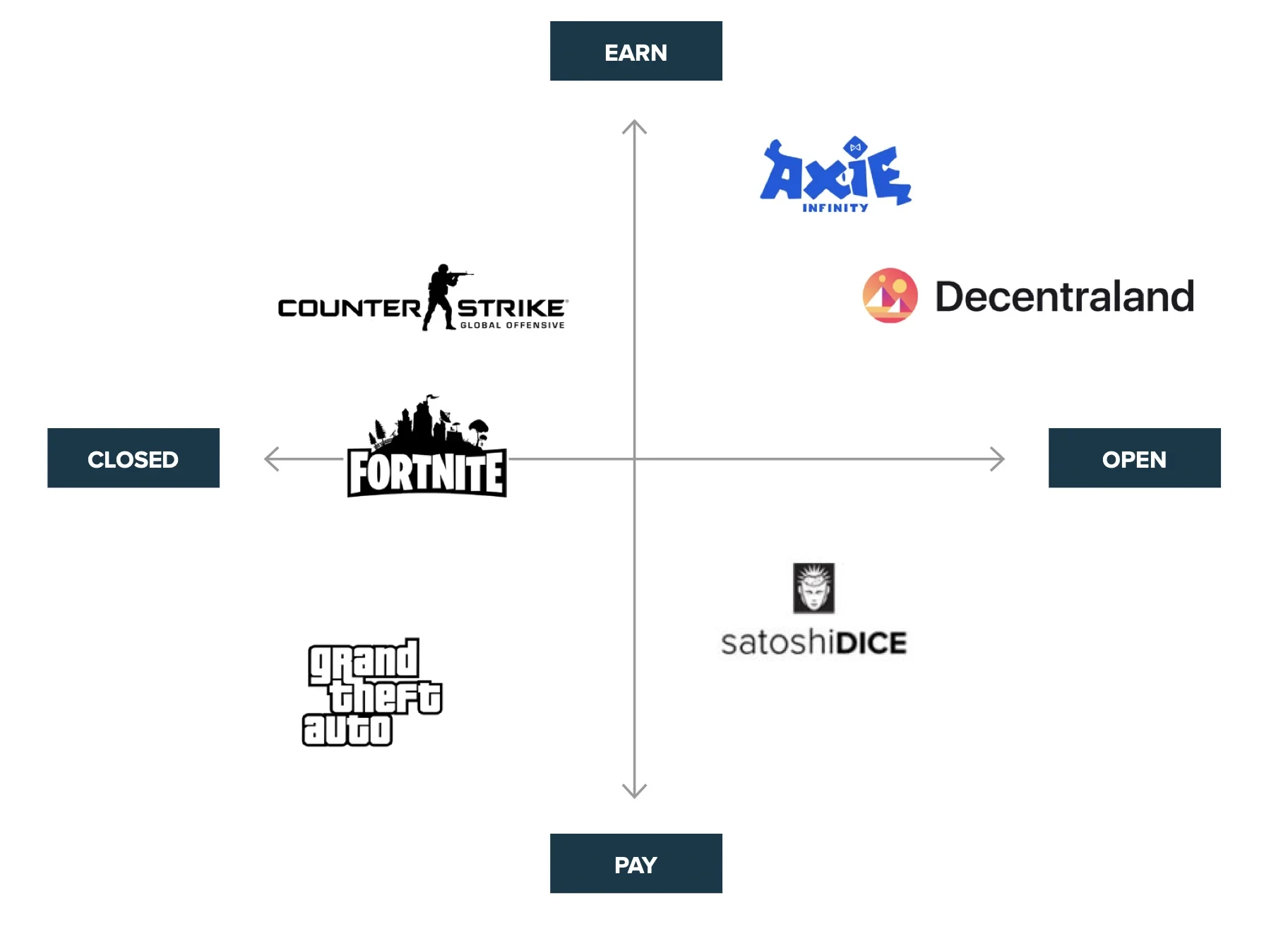
Figure 5: Open Games vs. Closed Games & Metaverse Games
In the metaverse, users determine the interactions of these seamless digital communities adjacent to the real world. In contrast, compared to Web 3.0 open crypto metaverse networks, the closed nature of Web 2.0 corporate metaverse platforms may put users at a disadvantage.
Mature Web 2.0 companies need to open up their ecosystems and eliminate their competitive moats. We do not yet know how Facebook will achieve its metaverse ambitions, but like other Web 2.0 companies, it faces the challenging transition of needing to deliver quarterly results for shareholders.
Gaming is just one of the most immediate target sectors, where value has already begun to naturally shift toward Web 3.0, but the metaverse opportunity extends far beyond gaming. It is estimated that the metaverse will create a multi-trillion dollar revenue opportunity across advertising, social commerce, digital events, hardware, and developer/creator revenue.
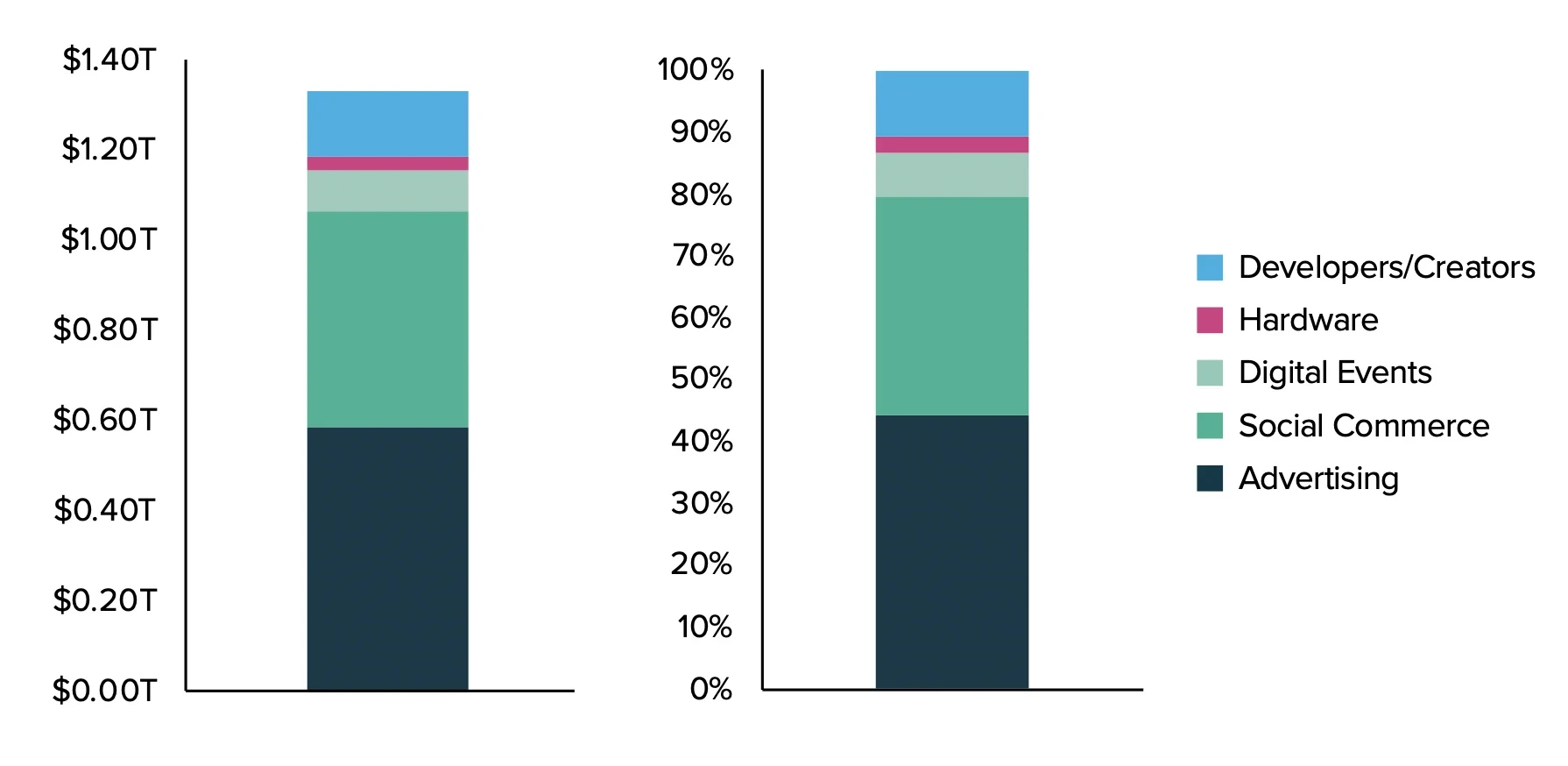
Figure 6: Global Metaverse Total Addressable Market
Currently, the total market capitalization of Web 3.0 metaverse crypto networks is $27.5 billion. Compared to Facebook's $900 billion market cap, the gaming industry's $2 trillion market cap, and Web 2.0 companies' $14.8 trillion market cap, it is truly dwarfed by comparison.
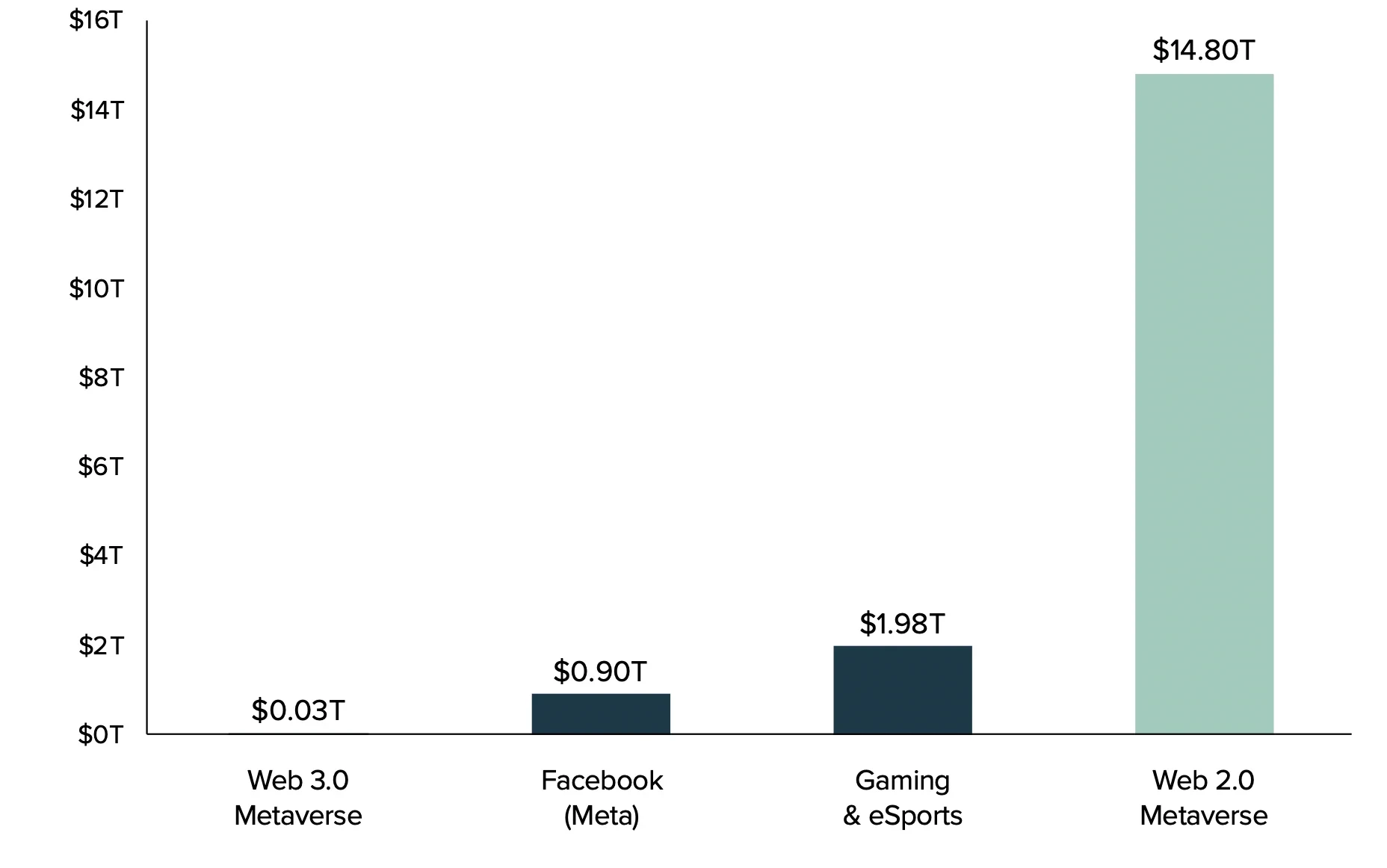
Figure 7: Market Value of Web 2.0 & 3.0 Metaverse, Facebook, and Gaming
Metaverse Web 3.0 Economy
The metaverse is a virtual world economy in emerging markets, where its continuously evolving complex mix of digital goods, services, and assets creates real-world value for users.
Early Web 3.0 metaverse worlds are typically built on blockchain computing platforms (L2), with many participating parties contributing to game development and enabling free trading in blockchain games.
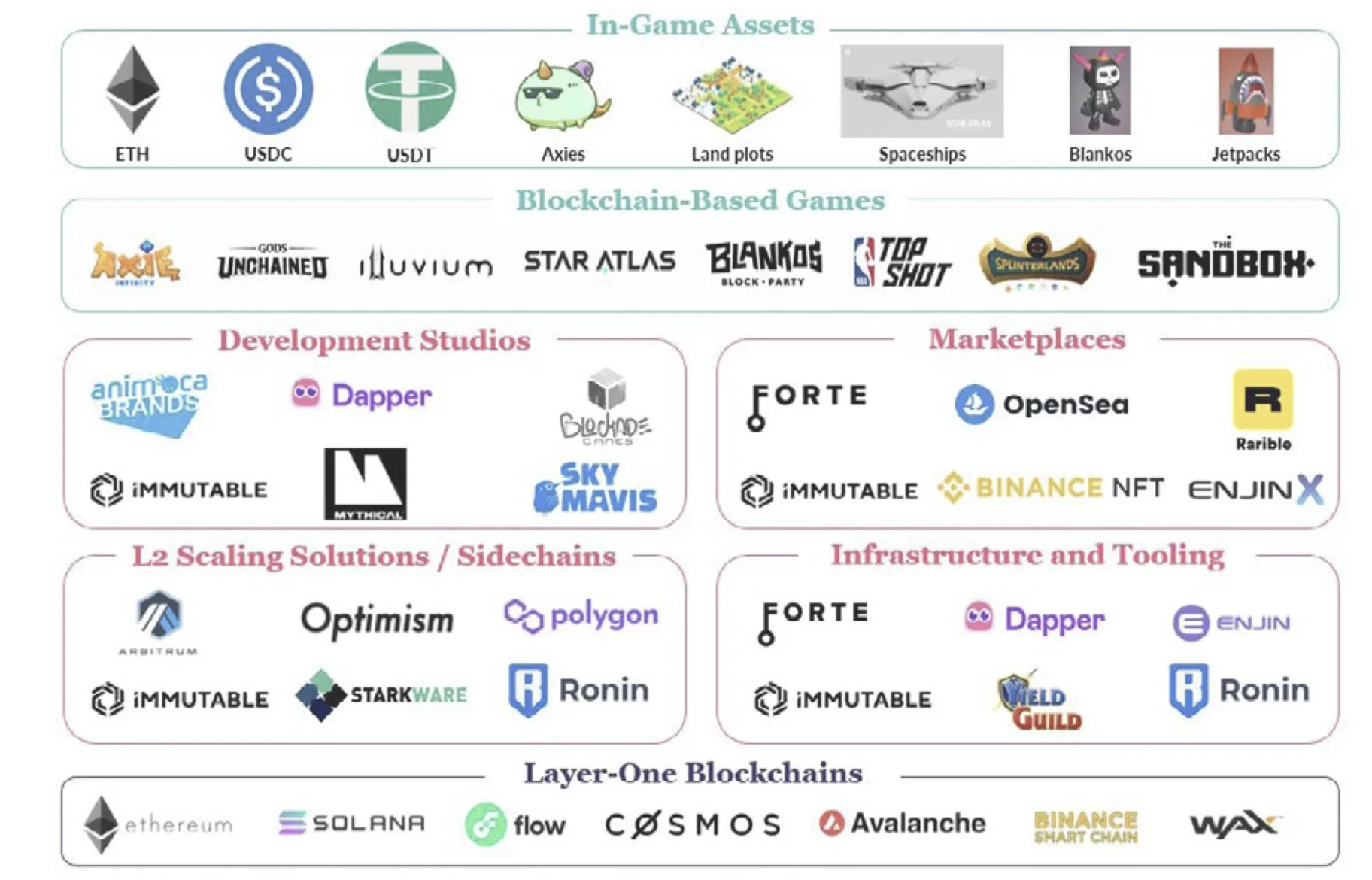
Figure 8: Blockchain Gaming Stack
Users who purchase these items have begun to establish a new e-commerce experience. Today, in Decentraland and other virtual world economies, some of the more popular commercial activities include:
- Art galleries such as Sotheby's have launched services allowing owners to display and sell their digital non-fungible art at auctions.
- Business offices: Some crypto companies have established digital headquarters in the metaverse where employees can meet and collaborate.
- Advertising: Landowners establish digital billboards to charge gamers for advertising.
- Sponsored content, such as the recently announced Atari gaming center, which will include games playable within Decentraland.
- Music venues where DJs and musicians perform music and host concerts.
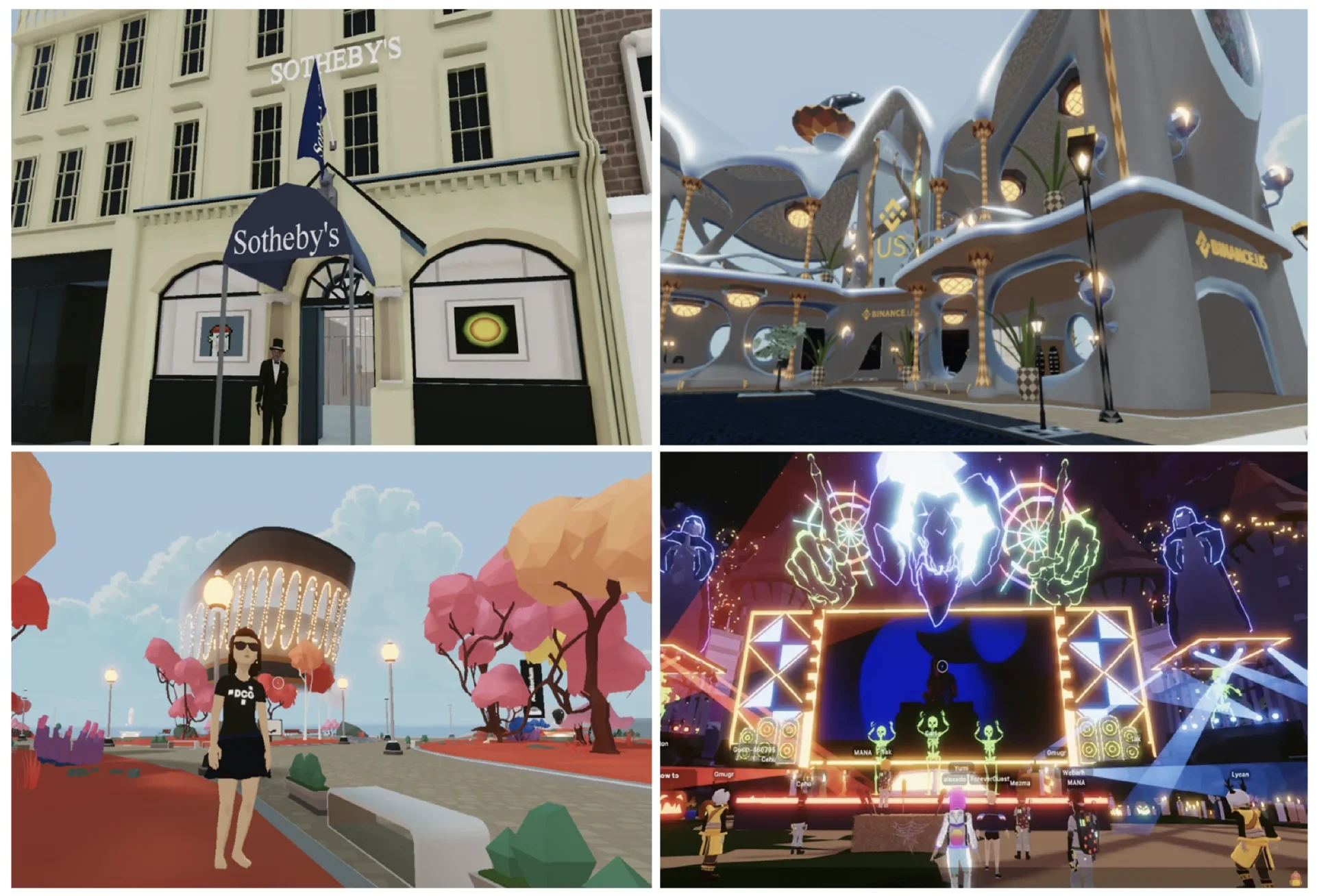
Figure 9: Metaverse Experience
These Web 3.0 metaverse worlds are part of a larger interconnected crypto cloud economy. These decentralized protocols interoperate with metaverse virtual economies and provide technical infrastructure.
- Payment networks: Web 3.0 metaverse world economies can use their own digital assets, or the currency of the L1-based crypto cloud economy platform they are built on, such as Ethereum (ETH) or Solana (SOL).
- Decentralized finance: Decentralized trading platforms allow users to trade game items, while lending platforms allow users to borrow against their virtual land.
- NFT sovereign goods: Players can purchase NFTs from other creators and bring them into other virtual worlds for display or sale.
- Decentralized governance: Legal frameworks wrest control of the digital economy from centralized companies and allow global Web 3.0 metaverse users to determine the rules of their collectively owned virtual spaces.
- Distributed cloud: File storage solutions like Filecoin provide a decentralized infrastructure solution for Web 3.0 metaverse worlds to store data, while services like Livepeer provide decentralized video transcoding infrastructure for virtual worlds.
- Self-sovereign identity: Data from internet-native social reputation tokens ("creator coins") from other platforms may be transferred into the metaverse for identity or credit scoring purposes.
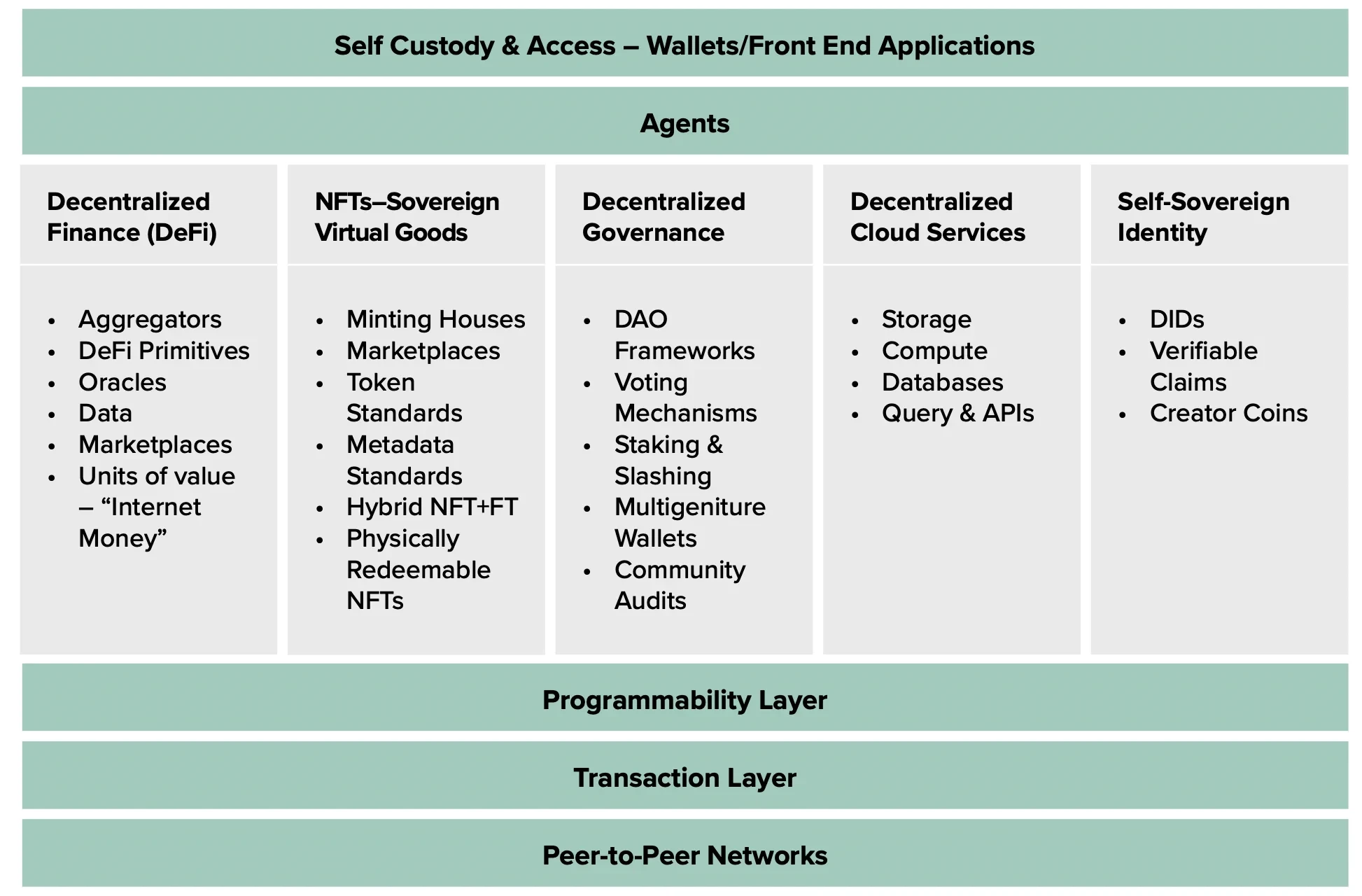
Figure 10: Blockchain-Based Virtual Economy Sectors
Metaverse Web 3.0 Metrics
This combination of innovations has created a new online experience that has already attracted many users. Users of Web 3.0 metaverse virtual worlds have grown rapidly in recent years. Currently, Web 3.0 metaverse virtual worlds have nearly 50,000 always-active users (active wallets as a proxy), representing a 10x increase since early 2020.
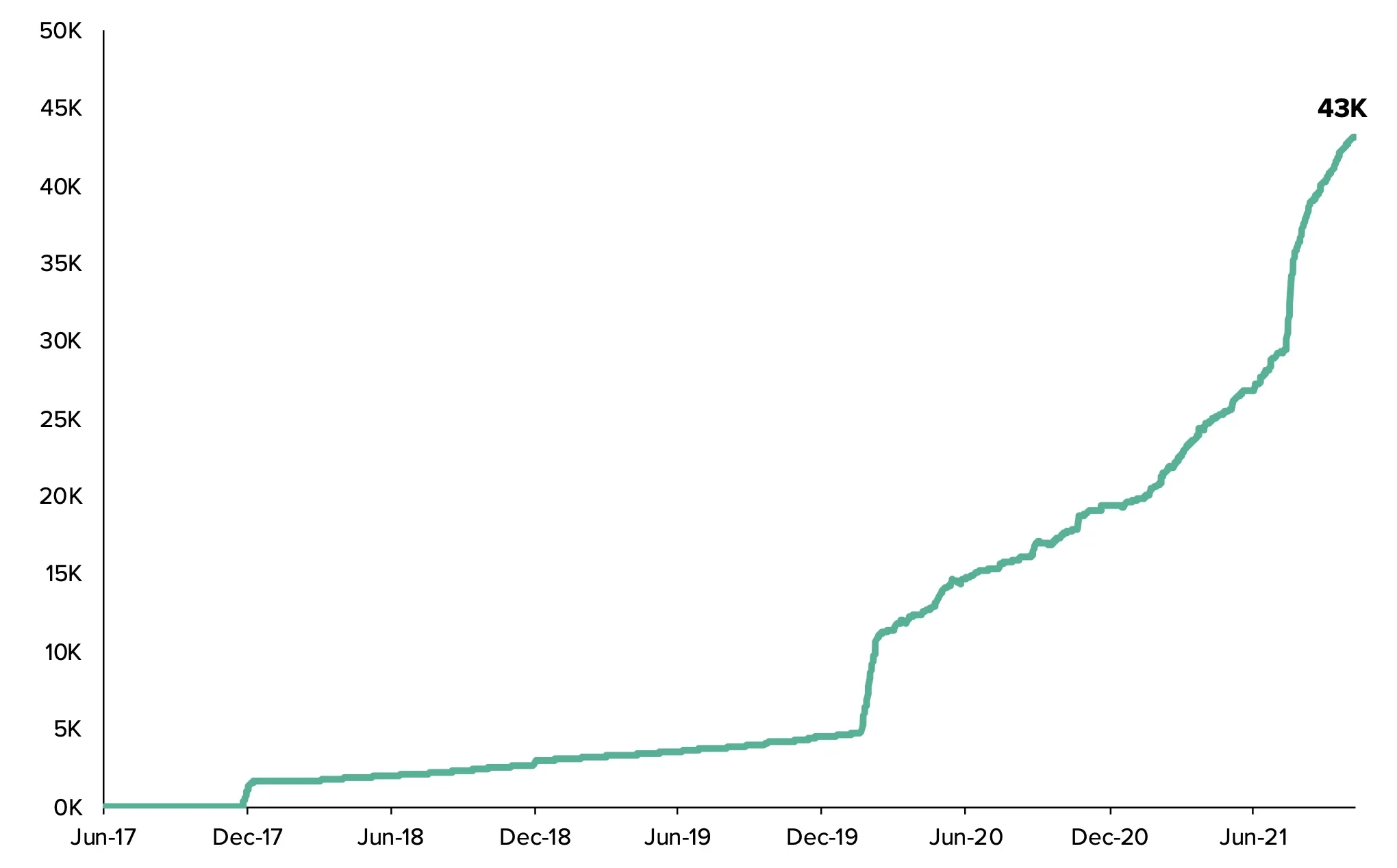
Figure 11: Globally Always-Active Metaverse Wallets
Compared to other Web 3.0 and Web 2.0 sectors, metaverse virtual world users are still in the early stages, but if the current growth rate is maintained, this emerging sector has the potential to go mainstream in the coming years.

Figure 12: Global User Numbers by Selected Category
Web 3.0 metaverse virtual worlds are creating real-world value for developers, third-party creators, and users building this emerging market's internet-native crypto cloud economy. Total sales of virtual land, goods, and services on Web 3.0 metaverse projects have exceeded $200 million.
By removing the Web 2.0 centralized companies that historically controlled these online spaces, Web 3.0 metaverse virtual worlds have already benefited from rapid innovation and increased productivity.
Crypto virtual worlds have eliminated capital controls, opening digital borders to freemarket capitalism, creating million-dollar primary and secondary markets for creators and asset owners.
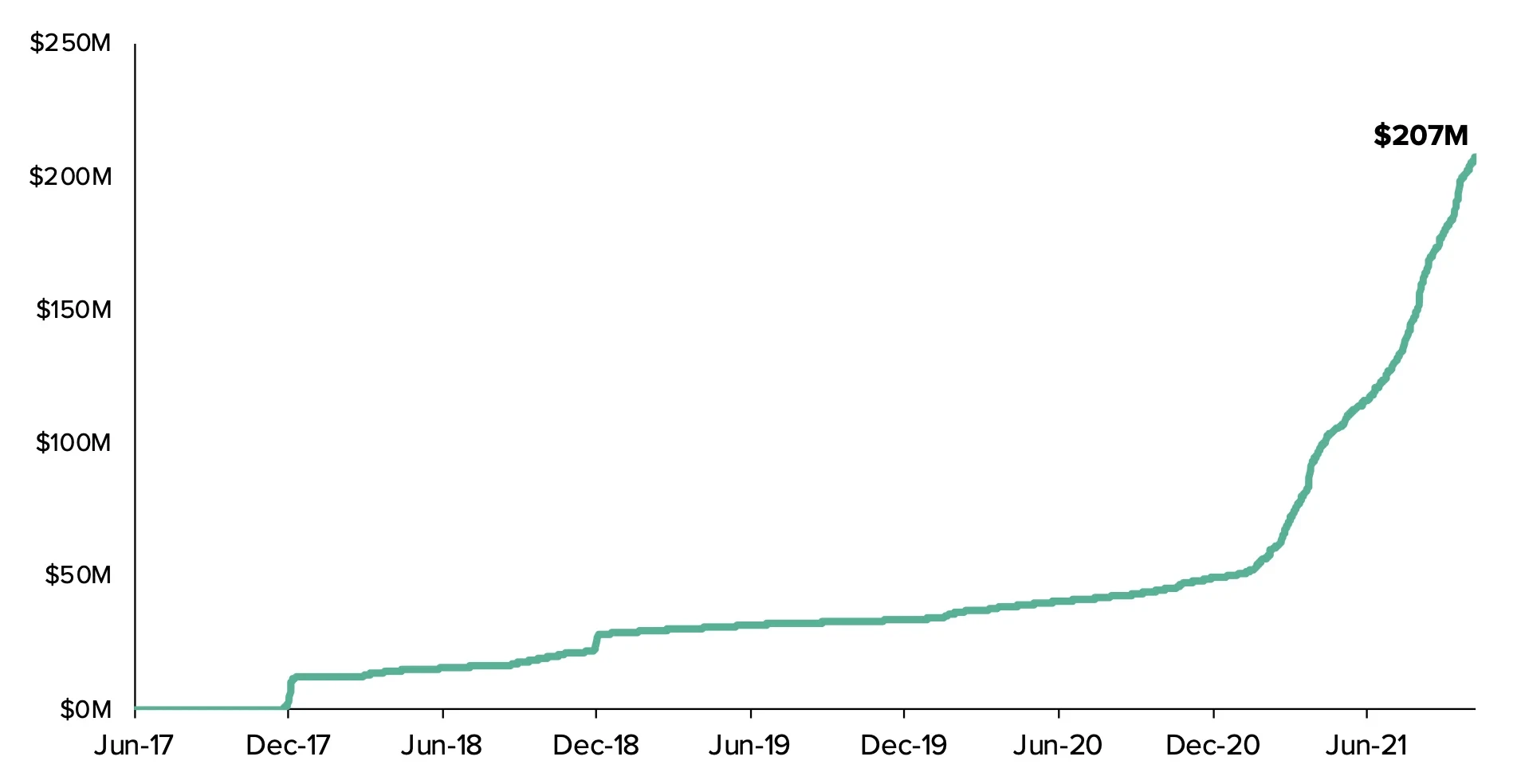
Figure 13: Total Value of All Time Spent on Complete Metaverse Sales
In Q3 2021, total crypto asset financing reached $8.2 billion, with Web 3.0 and non-crypto asset financing at $1.8 billion. In the Web 3.0 and NFT sectors, blockchain-based gaming attracted $1 billion across 14 trades, making it the top-ranked subsector in the field.
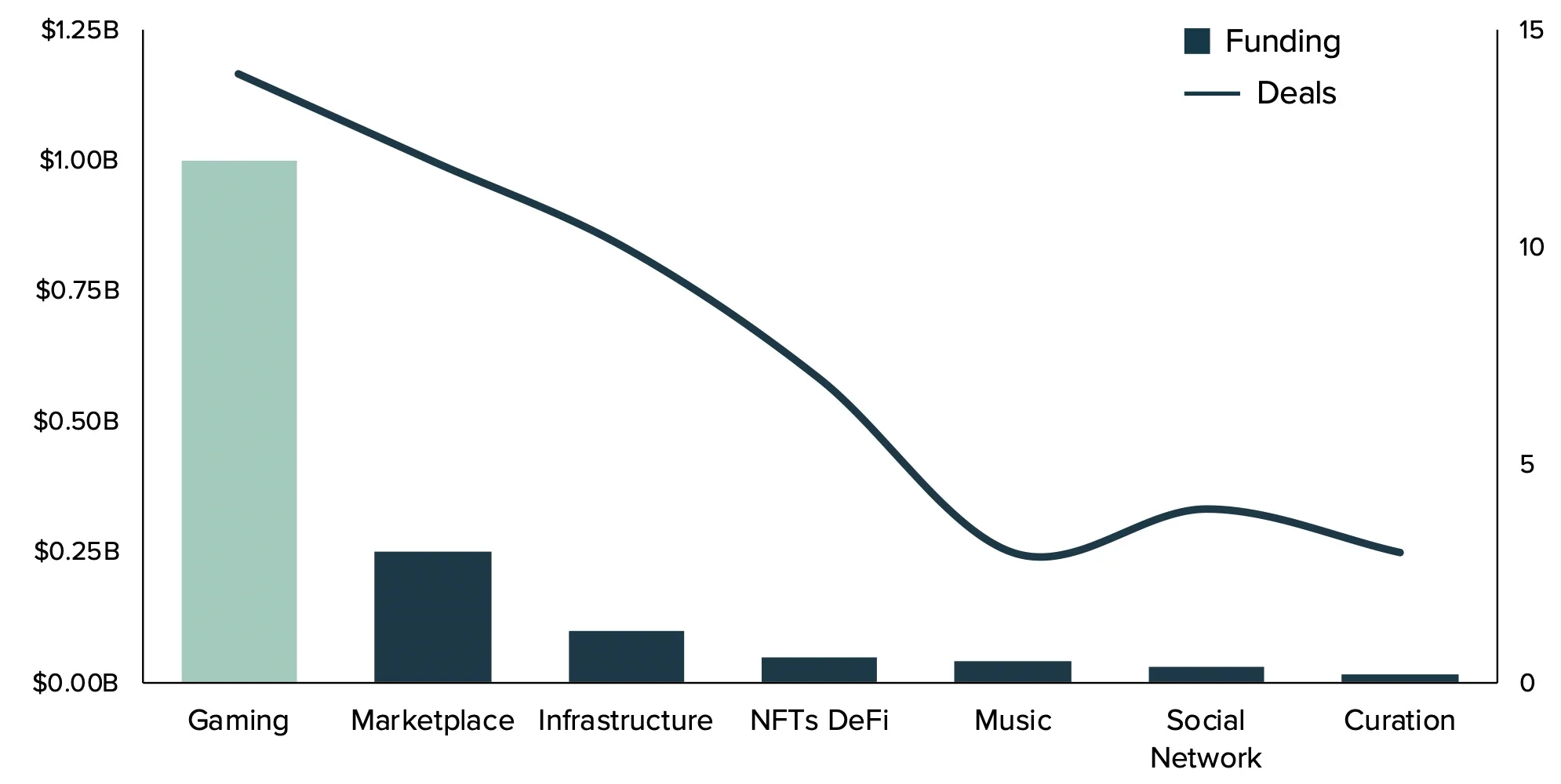
Figure 14: Global Q3 NFT Industry Investment Activity
Recently, capital investment in this sector has begun to accelerate, but compared to the $10 billion Facebook and similar companies plan to invest, and the amounts other companies and risk investors may subsequently invest, the metaverse is still in its early stages.
Key Takeaways
The metaverse is a digital world that transcends the internet as we know it today. This vision of the internet's future has the potential to transform our social interactions, commercial trading, and the entire internet economy. The metaverse is still taking shape, but Web 3.0 open virtual world crypto networks are offering a glimpse into the internet's future. The annual market opportunity that brings the metaverse to life could exceed $1 trillion and may compete with Web 2.0 companies that have a combined market cap of approximately $15 trillion today. This potential has attracted companies like Facebook to pivot toward the metaverse, which could become a catalyst for other Web 2.0 technology giants and investors to follow suit.
Disclaimer
This article may contain product-related content not applicable to your region. This article is solely dedicated to providing general information and does not accept responsibility for any factual errors or omissions. This article represents only the author's personal views and does not constitute the views of OKX. This article is not intended to provide any advice, including but not limited to: (i) investment advice or investment recommendations; (ii) offers or solicitations to buy, sell, or hold digital assets; or (iii) financial, accounting, legal, or tax advice. Holdings of digital assets (including stablecoins) involve high risk, may fluctuate significantly, and may even become worthless. You should carefully consider whether trading or holding digital assets is appropriate for you based on your financial situation. For questions specific to your circumstances, please consult your legal/tax/investment professional. The information in this article (including market data and statistical information, if any) is provided for general reference purposes only. While we have taken all reasonable precautions in preparing this data and these charts, we do not accept any responsibility for factual errors or omissions expressed herein. © 2025 OKX. This article may be reproduced or distributed in full, or excerpts of 100 words or less may be used, provided that such use is non-commercial. Any reproduction or distribution of the full article must prominently state: "This article is copyrighted © 2025 OKX, used with permission." Permitted excerpts must cite the article title and include attribution, e.g., "Article title, [author name (if applicable)], © 2025 OKX". Some content may have been generated or assisted by artificial intelligence (AI) tools. Derivative works and other uses of this article are not permitted.
Show More
Recommended Reading

2025 KOL Most Used OKX Products Ranking
In the cryptocurrency industry, professional players' choices are always direct and pure. In 2025, KOLs cast their most authentic votes for industry tools and ecosystem development with a full year of capital investment and time dedication. We centered around four core questions — "What was your biggest achievement this year?", "Given those achievements, what are your most commonly used and favorite OKX products in 2025?", "Why do you like it?", and "This product
January 5, 2026

2026 Investment Outlook: Assets On-Chain, Intelligence & Privacy | OKX Year in Review
The three major trends in crypto's future: asset transformation, subject transformation, and rule transformation. As we are about to enter 2026, bidding farewell to four years of focusing on "building roads" for infrastructure, the crypto industry is ushering in a profound paradigm shift. OKX Ventures defines this as the dawn of the "Kinetic Finance" era, whose core is no longer how fast the network is, but the flow and earning of on-chain assets
December 31, 2025

Vote with Data, Insights into 2025 Popular Trading Products | OKX Year in Review
Looking only at market conditions, it is difficult to explain the differences in returns among trading users in 2025. What truly determines returns also depends on account-level operation methods, not just market volatility itself. OKX's annual report shows that mainstream coins remain the core of capital turnover and returns, supporting trading and strategy execution; emerging coins are more used to amplify volatility and provide phased opportunities, but are not a stable, long-term source of returns. What truly and continuously contributes to returns is
December 30, 2025
Fusaka in Practice: What Ethereum's Latest Upgrade Means for L2, Nodes, and Users
Ethereum mainnet has completed the Fusaka fork. At the protocol level, this upgrade mainly includes four components. The full text presents the core viewpoints and first-line experiences of three guests in a Q&A format: Ahmad (@smartprogrammer) – Nethermind Execution Client / Ethereum Core Developer Manu (@manunalepa) – Prysm / Of
December 16, 2025

OKX Research | Why Did RWA Become a Key Narrative in 2025?
RWA (Real World Assets) is becoming the "new favorite" of global capital. Simply put, RWA is about taking valuable, ownership-bearing things from the real world — such as houses, bonds, stocks, and other traditional financial assets, and even art, private lending, carbon credits, and other assets that are not typically easy to trade directly — and moving them onto the blockchain, transforming them into tradeable, programmable crypto assets. This way, not
November 20, 2025
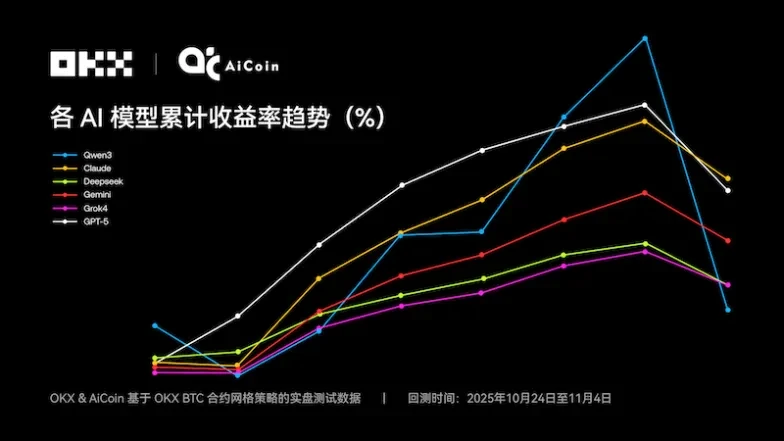
Claude Takes the Crown, Truth Behind 6 Major AI Grid Strategies | OKX & Ai Coin Live Testing
Is the short-term trading champion ? The first season of NOF1's "AI Trading Live Arena" finally concluded on November 4, 2025 at 6 AM, having whetted the appetite of the crypto, tech, and finance circles. However, the outcome of this "AI IQ public test" was somewhat unexpected — the total of $60,000 in principal from six models, at the close, was only $4.3
November 6, 2025