ETH 2.0 Gets a New Look: What Impact Will the June Upgrade Have?
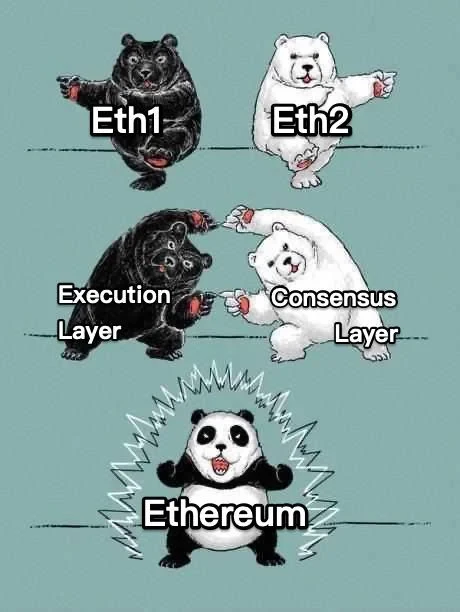
After 2022, the Ethereum community will cease using "Eth1" and "Eth2," instead using "execution layer" and "consensus layer" to describe the upcoming Ethereum upgrades. Although this terminology change did not spark significant discussion in China's crypto scene, it signals that the Ethereum core team is making final preparations for the Ethereum upgrade.
There are two reasons why this upgrade is extremely important.
First, following EIP-1559, this is another major technical upgrade for Ethereum. The existing Ethereum will merge with the beacon chain, and through the difficulty bomb, PoW miners will be phased out — potentially even impacting GPU manufacturers and to some extent alleviating the global chip supply shortage. The so-called Ethereum difficulty bomb refers to a sudden increase in mining difficulty at a certain block height, designed to prevent miners from continuing to use the proof-of-work mechanism for mining after transitioning to PoS.
Second, as the leading public chain and the second-largest player in the crypto world, this upgrade is certain to have a significant impact on the entire crypto landscape.
So, why is the Ethereum upgrade urgent? When exactly will the Ethereum upgrade arrive? And what kind of impact will this upgrade have on the entire industry?
1. The Ethereum Upgrade: Why Is It Urgent?
When you develop a keen interest in questions like "Why is the Ethereum upgrade urgent?", you are essentially asking "What exactly causes Ethereum's sluggish performance and sky-high fees" — in other words, what problems is Ethereum currently facing.
It must be said that Ethereum is facing "crises" in four areas.
First, ultra-high Gas fees. As many high-performance public chains such as Solana, Avalanche, Cosmos, Terra, Polygon, and Polkadot rise rapidly, Ethereum's persistently ultra-high Gas fees seem quite out of place. We have good reason to believe that if Alipay had consistently charged "1,000 yuan per transaction," it would never have made a significant impact on the banking industry around 2015, let alone transformed the financial industry.
For Ethereum, Gas fees are used to pay miners to incentivize them to provide computational power for the entire network. With limited computational resources, the higher the Gas fee a user offers, the faster their transaction gets executed. This "highest bidder wins" logic driven by scarce resources has turned Ethereum into a de facto exclusive community for the wealthy. After all, sometimes the Ethereum Gas cost exceeds the value of a particular transaction — for example, the Gas fee for purchasing a low-cost NFT may be higher than the price of the NFT itself.
Second, high energy consumption. Under the trend of energy saving, emission reduction, and low-carbon environmental protection, continuing to execute PoW on Ethereum seems out of step with the times. As the Ethereum ecosystem grows larger and its value increases, network computational power also keeps rising, which means Ethereum's energy consumption keeps climbing — clearly not aligned with societal development trends. Furthermore, as the Ethereum network continues to grow, the accumulation of historical data will keep raising the operating costs of new nodes, thereby limiting Ethereum's development toward greater decentralization.
Third, inefficiency. Ethereum's inefficiency slows down the execution of smart contracts and limits the possibility of the Ethereum network running highly complex applications.
Fourth, the impact on GPUs. Ethereum's PoW consensus means that the Ethereum network's demand for GPUs keeps increasing, which could lead to GPU shortages and drive up graphics card prices. High GPU prices have had a tremendous impact on GPU-related industries.
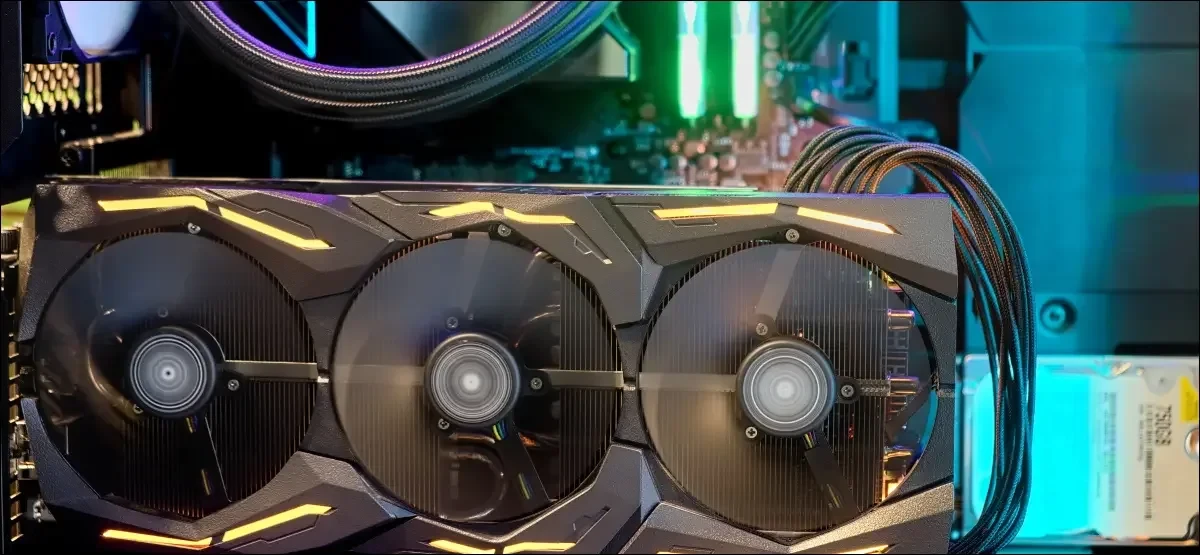
For example, on overseas e-commerce platforms such as Amazon and Newegg, graphics cards are almost completely sold out. On websites like eBay and Xianyu, the prices of second-hand GPUs are several times higher than their suggested retail prices — causing tremendous hardship for professionals who rely on graphics cards in their daily work, such as multi-computer enthusiasts, multimedia professionals, and gamers.
The Ethereum community generally believes that these issues hinder the broader development of Ethereum applications. The upcoming upgrade is an important step in the Ethereum community's efforts to improve Ethereum's fee structure, which will have four impacts on the crypto world.
2. The Four Impacts of the Ethereum Upgrade
As the leading public chain and the second-largest player in the crypto world, every major Ethereum upgrade has a significant impact on the entire crypto world. Take the EIP-1559 upgrade that occurred in August 2021 as an example — at that time, led by ETH, the entire crypto market hit bottom and rebounded. In the subsequent rally, Bitcoin broke through its previous high, reaching a peak of $69,000.
So, what impacts will this Ethereum upgrade bring?
First, according to the Ethereum upgrade roadmap, the beacon chain merging with the current Eth1 will ultimately arrive in mid-2022, with the difficulty bomb activated simultaneously, PoW miners will be phased out, and the Ethereum consensus mechanism will transition to PoS.
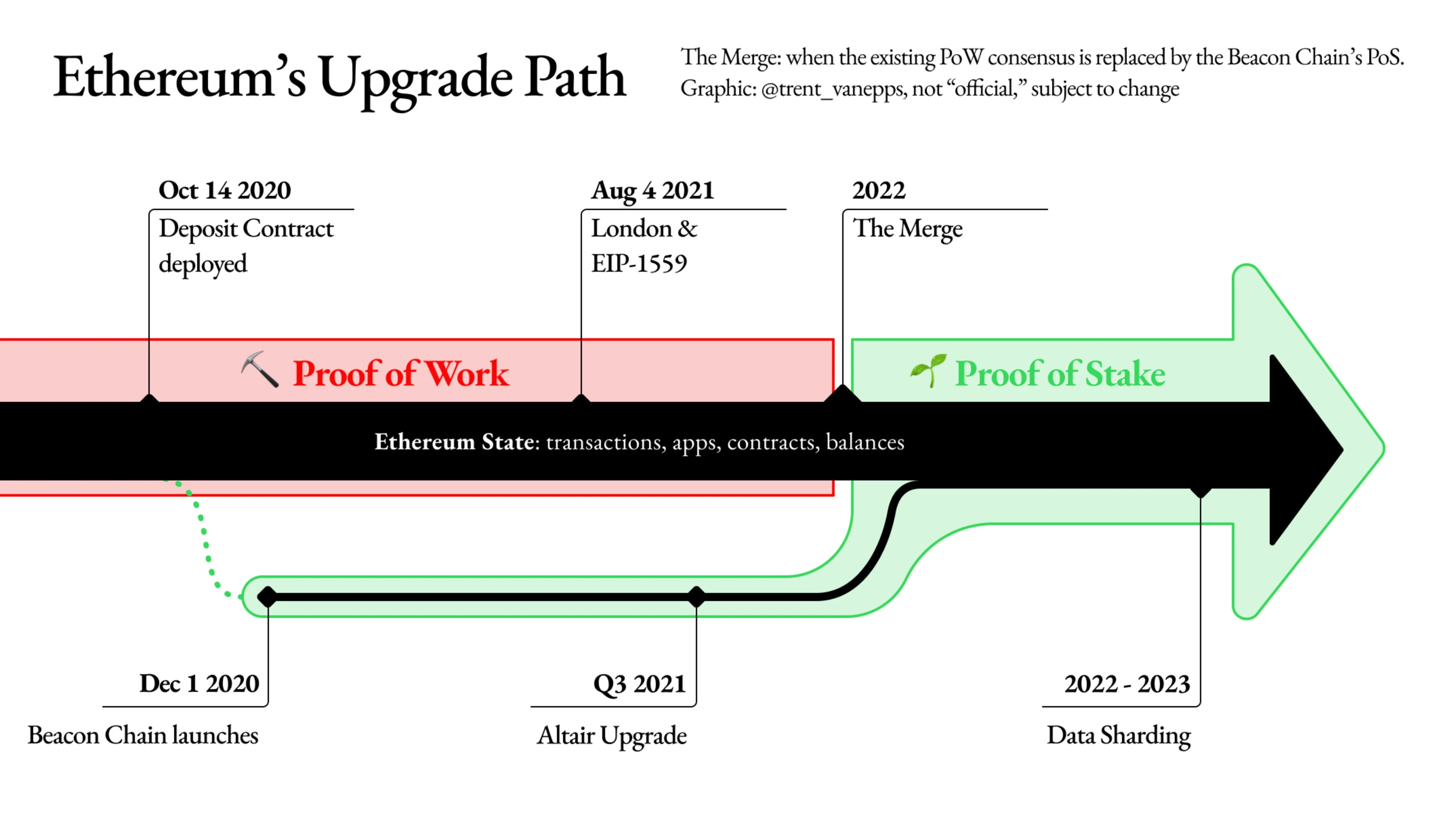
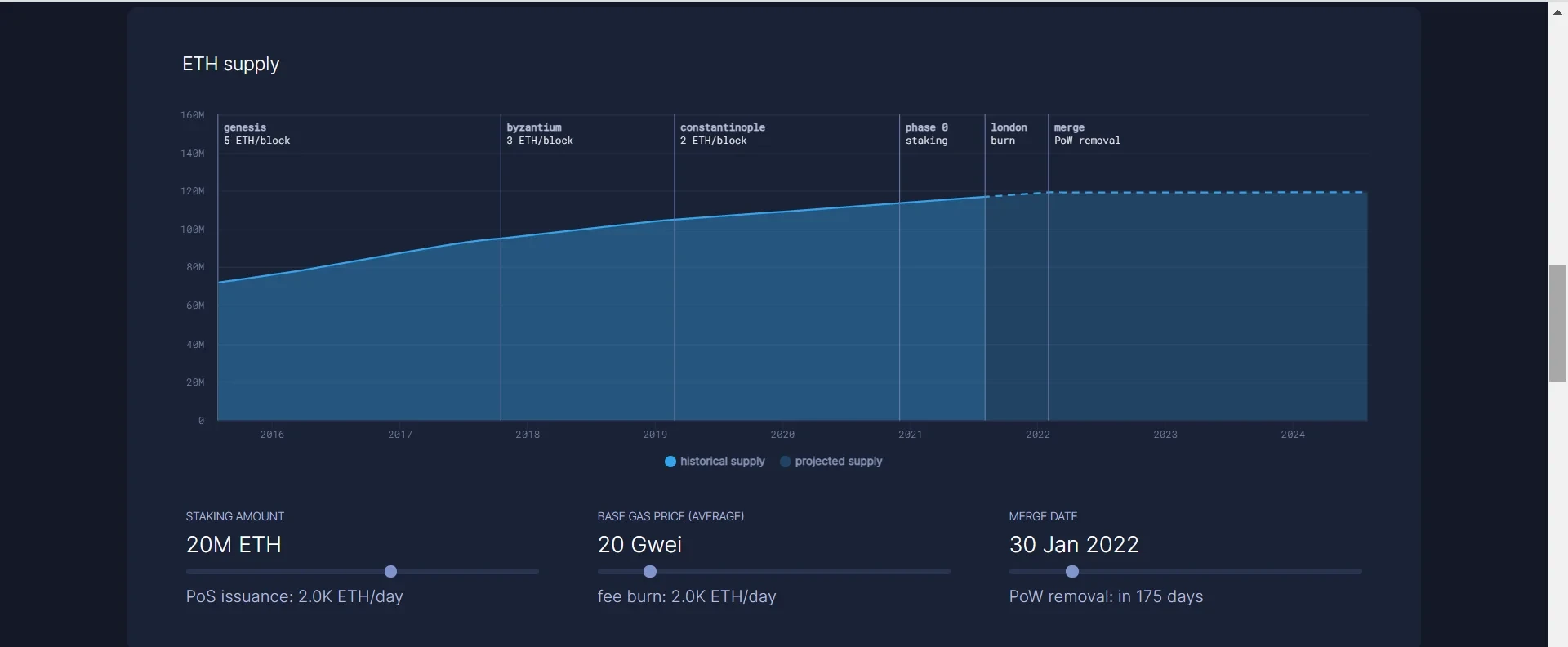
Under the combined effect of EIP-1559's burn mechanism and PoS, ETH will become deflationary. Since Ethereum executed the EIP-1559 proposal in August 2021, the amount of ETH burned has reached 1.797 million, while the amount of ETH generated through mining rewards during the same period was 2.524 million — a net reduction of ETH across the entire network reaching 71.2%.
With the Ethereum upgrade and the transition from PoW to PoS, the rewards that originally belonged to miners will be eliminated, and the Ethereum token will enter a真正意义上的通缩 (true deflationary phase).
Second, the Ethereum upgrade will also benefit high-performance public chains. It is generally believed that as Ethereum transitions to PoS, performance will improve significantly — which seems like a major bearish signal for high-performance public chains. But in reality, this is a misconception at the cognitive level. Transitioning to PoS does not improve Ethereum's performance, and with the arrival of PoS, Ethereum's performance may even decline.
Recently, Ethereum founder Vitalik stated during communication with the community that although blockchains under PoS do not produce uncle blocks (Uncle Block), under PoS, each block confirmation requires thousands of multi-signatures, and 12 seconds is still a conservative estimate.
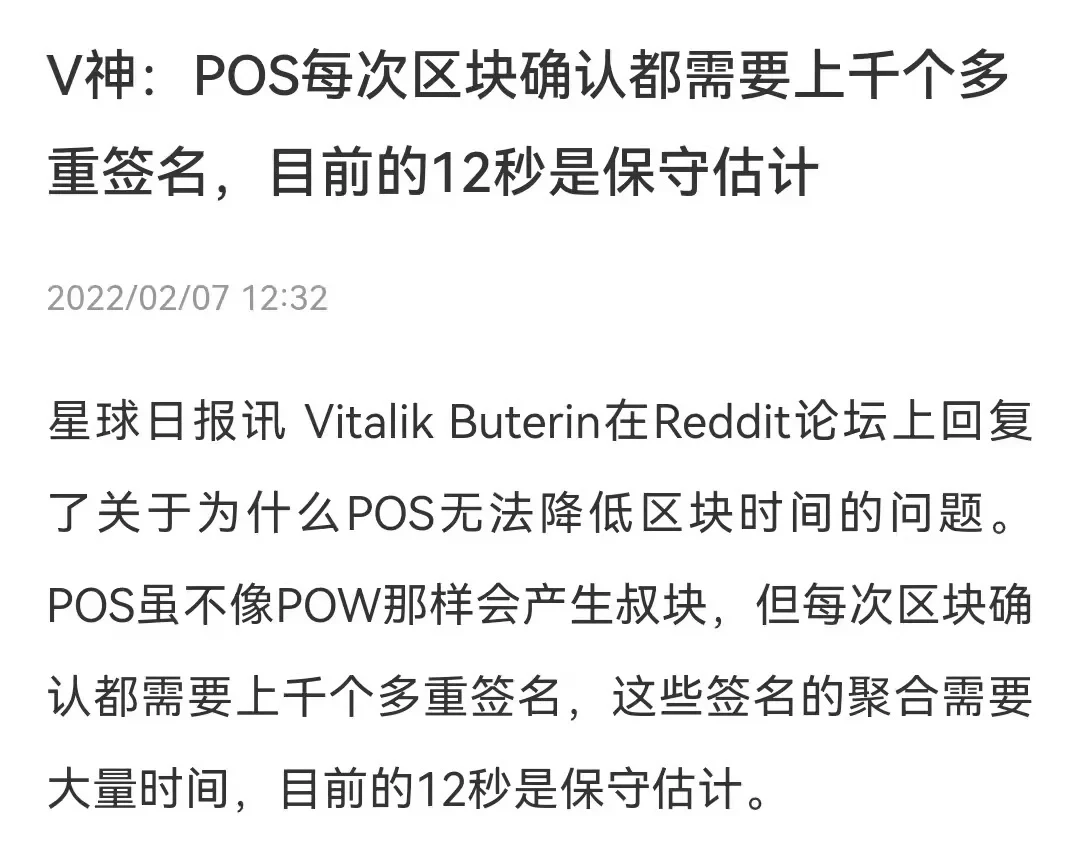
The implication is that Ethereum's block time under PoS may even exceed that under PoW. Currently, Ethereum's stable block time is 12 to 13 seconds. PoS can neither increase block speed nor improve performance. Therefore, this Ethereum upgrade may still have a positive impact on high-performance public chains.
Third, it benefits PoW projects using the EthHash algorithm. When the difficulty bomb is activated, Eth1 will merge with the PoS-based beacon chain, and PoW consensus along with computational power will all be abandoned. These computational resources are very likely to seek new PoW projects based on the EthHash algorithm.
Finally, if the Ethereum upgrade can be executed smoothly, it will inevitably have a positive impact on the entire crypto market. Take the EIP-1559 upgrade that occurred in August 2021 as an example — at that time, led by ETH, the entire crypto market hit bottom and rebounded. Driven by the subsequent "Bitcoin futures ETF" catalysts, Bitcoin broke through its previous high, reaching a peak of $69,000.
As for when the upgrade will arrive, in October 2021, Ethereum officials delayed the difficulty bomb execution time to June 2022. As for whether the upgrade can be successfully executed this June, we wait with bated breath.
In summary, in the foreseeable future, as Ethereum continues to upgrade, both its monetary properties and underlying application attributes will continue to strengthen.
Disclaimer
本文章可能包含不适用于You所在地区的产品相关内容. 本文仅致力于提供一般性信息, 不对其中的任何事实错误或遗漏负责任. 本文仅代表作者个人观点, 不代表OKX的观点. 本文无意提供以下任何建议, 包括但不限于: (i) investment建议或investment推荐; (ii) 购买, 出售或持有digital assets的要约或招揽; 或 (iii) 财务, 会计, 法律或税务建议. 持有的digital assets (包括稳定币) 涉及高risk, 可能会大幅波动, 甚至变得毫无价值. You应根据自己的财务状况仔细考虑Trading或持有digital assets是否适合You. 有关You具体情况的问题, 请咨询your法律/税务/investment专业人士. 本文中出现的信息 (包括市场数据和统计信息, 如果有) 仅供一般参考之用. 尽管我们在准备这些数据和图表时已采取了所有合理的谨慎措施, 但对于此处表达的任何事实错误或遗漏, 我们不承担任何责任. © 2025 OKX. 本文can全文复制或分发, 也can使用本文 100 字或更少的摘录, 前提是此类使用是非商业性的. 整篇文章的任何复制或分发亦必须突出说明: "本文版权所有 © 2025 OKX, 经许可使用. "允许的摘录必须引用文章名称并包含出处, 例如"文章名称, [作者姓名 (如适用)], © 2025 OKX". 部分内容可能由人工智能 (AI) 工具生成或辅助生成. 不允许对本文进行衍生作品或其他用途.
Show More
Recommended Reading

2025 KOL Most Used OKX Products Ranking
In the cryptocurrency industry, professional players' choices are always direct and pure. In 2025, KOLs cast the most authentic votes for industry tools and ecosystem development with a whole year of funds investment and time dedication. We focused on four core questions — "What was your biggest achievement this year?", "Given that achievement, what OKX product do you use most and love most in 2025?", "Why do you like it?", "Does this
January 5, 2026

2026 Investment Outlook: Assets Go On-Chain, Intelligence & Privacy | OKX Year in Review
The three major trends of crypto's future: asset transformation, entity transformation, and rule transformation. At the point of stepping into 2026, bidding farewell to four years of infrastructure building focused on "laying roads," the crypto industry is ushering in a profound paradigm shift. OKX Ventures defines this as the opening of the era of "Kinetic Finance," where the core is no longer how fast the network is, but the liquidity and earning potential of on-chain assets.
December 31, 2025

Vote with Data: A Deep Dive into 2025's Hottest Trading Products | OKX Year in Review
If you only look at market conditions, it's hard to explain the return differences among trading users in 2025. What truly determines returns also depends on account-level operation methods, not just market volatility itself. OKX's annual report shows that mainstream coins remain the core of fund turnover and return bearing, supporting trading and strategy execution; emerging coins are more used to amplify volatility, providing phased opportunities, but are not a stable, long-term source of returns. What truly and continuously contributes to returns is
December 30, 2025
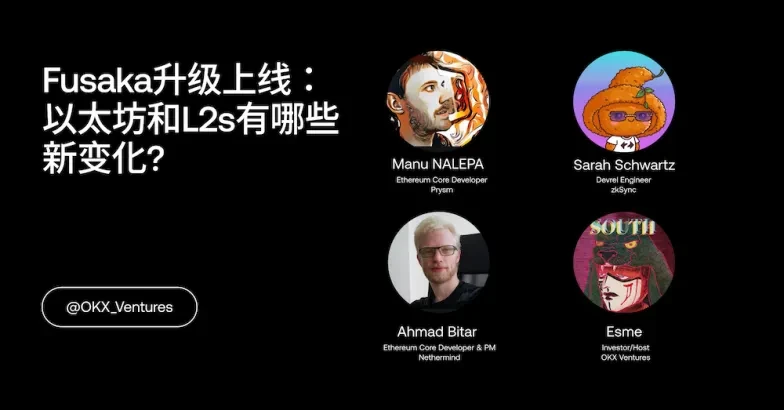
Fusaka in Practice: What Does the Latest Ethereum Upgrade Mean for L2, Nodes, and Users?
The Ethereum mainnet has completed the Fusaka fork. From a protocol perspective, this upgrade mainly includes four components. The full article presents Q&A Show More the core viewpoints and front-line experience of three guests: Ahmad (@smartprogrammer) – Nethermind Execution Client / Ethereum Core Dev Manu (@manunalepa) – Prysm / Of
December 16, 2025

OKX Research | Why Did RWA Become a Key Narrative in 2025?
RWA (Real World Assets) is becoming the "new favorite" of global capital. Simply put, RWA involves taking valuable, ownership-bearing assets from the real world — such as houses, bonds, stocks, and other traditional financial assets, or even art, private lending, and carbon credits that are usually hard to trade directly — and moving them onto the blockchain, turning them into tradeable, programmable crypto assets. This way,
November 20, 2025
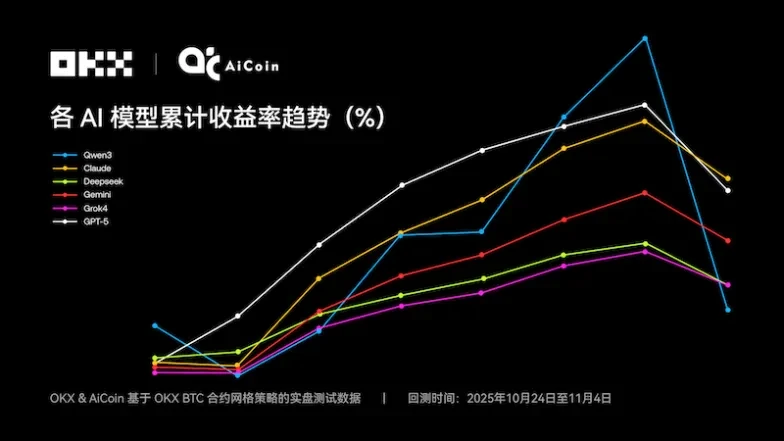
Claude Takes the Crown: 6 Major AI Grid Strategies Face Off | OKX & Ai Coin Live Test
Is , the short-term trading champion, also the king of grid strategies? The first season of NOF1's "AI Trading Live Arena" finally concluded at 6 AM on November 4, 2025, whetting the appetite of the crypto, tech, and finance circles. But the outcome of this "AI intelligence public test" was somewhat unexpected — the six models' combined $60,000 in starting capital was left with only 4.
November 6, 2025