Game tokens like SAND rally as metaverse becomes a hot topic — is this the future of GameFi?
ILV +2. 83%
Since Axie Infinity ignited the "Play to Earn" (P2E) model this summer, GameFi has become one of the hottest tracks in the crypto market. Over the past few months, various innovations in blockchain games have emerged, attracting numerous funds and users to this sector. Some early games have also achieved outstanding market performance by riding popular narratives.
From every market dimension, the metaverse and Play-to-Earn are currently the two most closely watched topics. OKX Market Data shows that recently, many metaverse and P2E gaming project and platform tokens have surged — for example, SAND, GALA, WNCG, and ILV have all appeared on the gainers list in recent days. On the other hand, as Axie's recent popularity and revenue have declined, can P2E continue to dominate the market? What is the next development trend? And will the meteoric rise of the metaverse concept become the future direction of GameFi?
GameFi and Metaverse emerge as hot tracks
From a market sentiment perspective, Google Trends data shows that global search interest in "Blockchain games" has risen 733% year-to-date. Search interest in "GameFi" has climbed 2,400% since late July this year, recently reaching its peak search volume. Searches from China, the Philippines, Pakistan, and other countries dominate the volume.
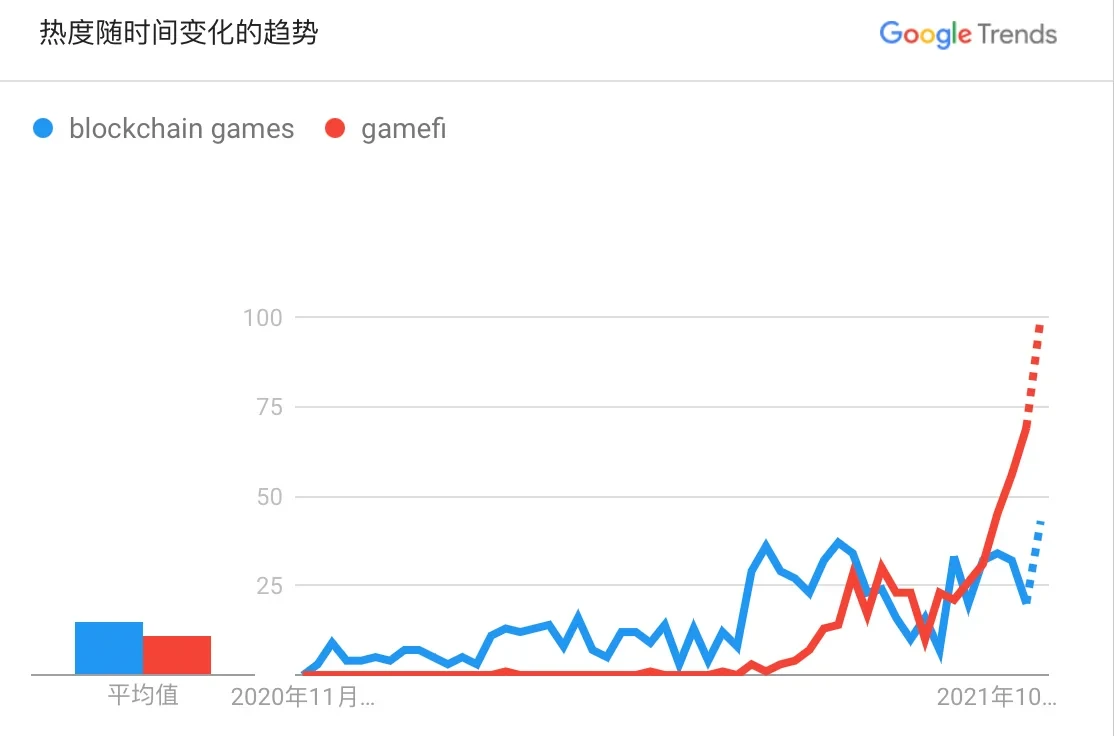
Source: Google Trends
According to DappRadar's latest report, blockchain metaverse and play-to-earn are the two most talked-about topics in Asia, mentioned 1.7 million times in Asian media — a 33% quarter-over-quarter increase. Furthermore, capital and traffic heat confirm growing market interest in P2E games. Data shows that investment institutions have become increasingly interested in blockchain games, with nearly $3 billion invested in gaming, virtual world, and NFT-related projects in 2021 alone. Well-known gaming companies like Dapper Labs and Animoca Brands raised $607 million and $221 million in funding, respectively.
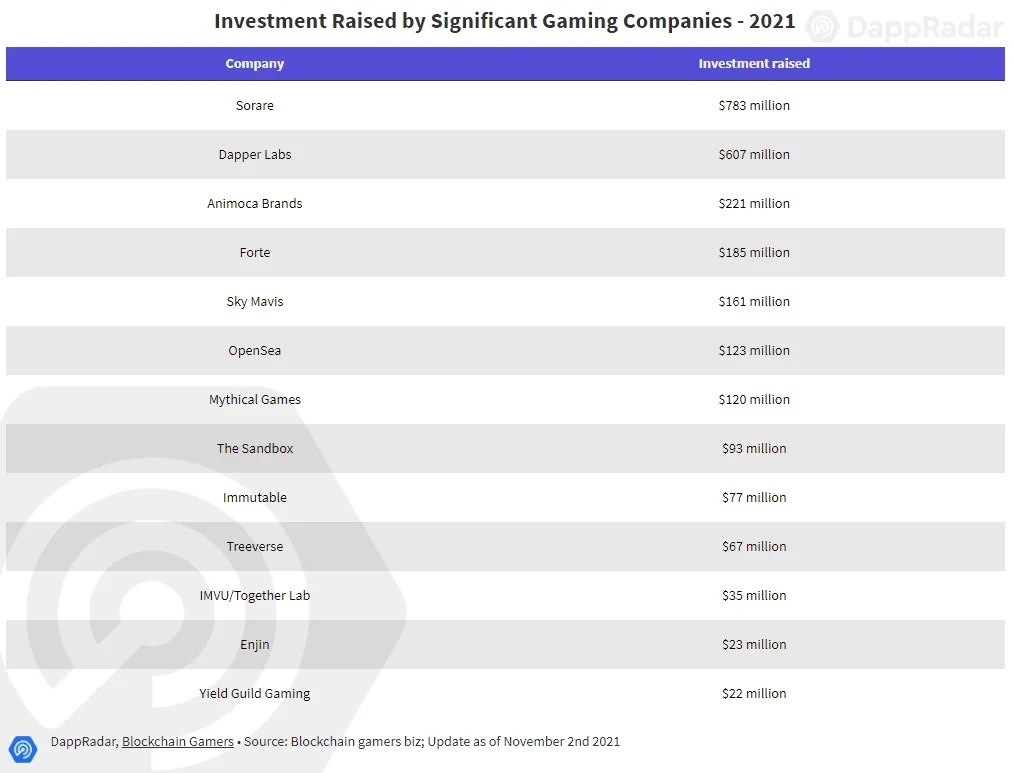
Funding raised by well-known gaming companies Source: DappRadar
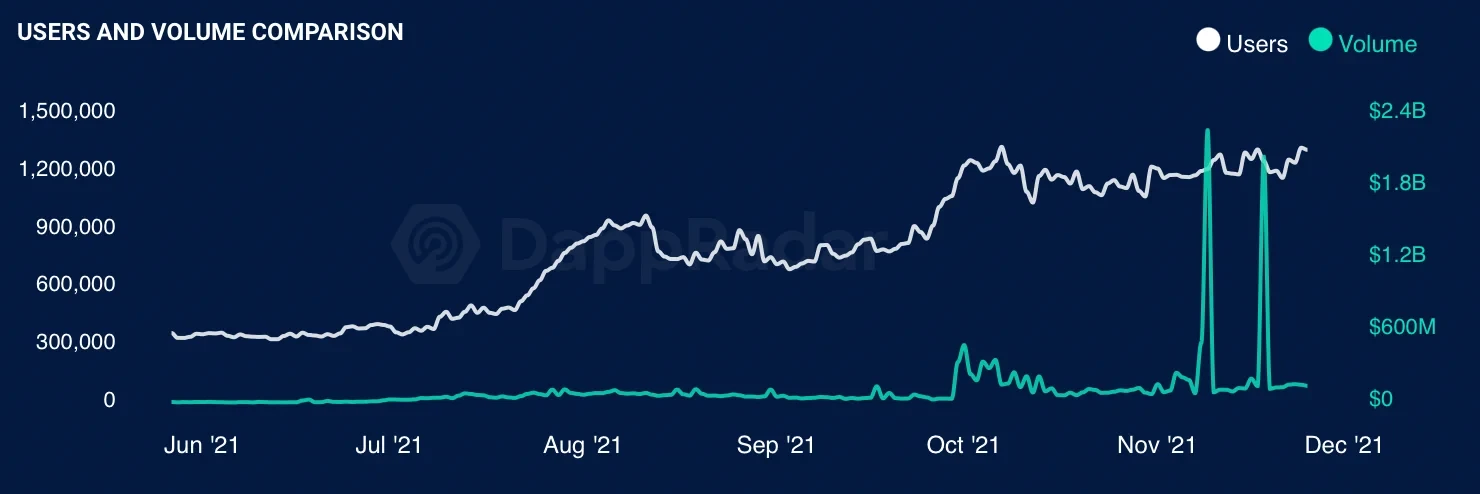
From a user engagement perspective, DappRadar data shows that in October this year, active wallets related to gaming accounted for 55% of the total blockchain industry. In November, gaming-related traffic increased 14% compared to October, with DappRadar forecasting a 63% increase by the end of November. P2E game traffic dominance is also growing. According to DappRadar data, since July this year, the blockchain gaming sector has seen steady user growth, reaching 1.318 million users — an increase of approximately 262% compared to early July. Trading volume broke through $200 million multiple times in November. As of November 25, the current trading volume for the blockchain gaming sector stands at $142 million.
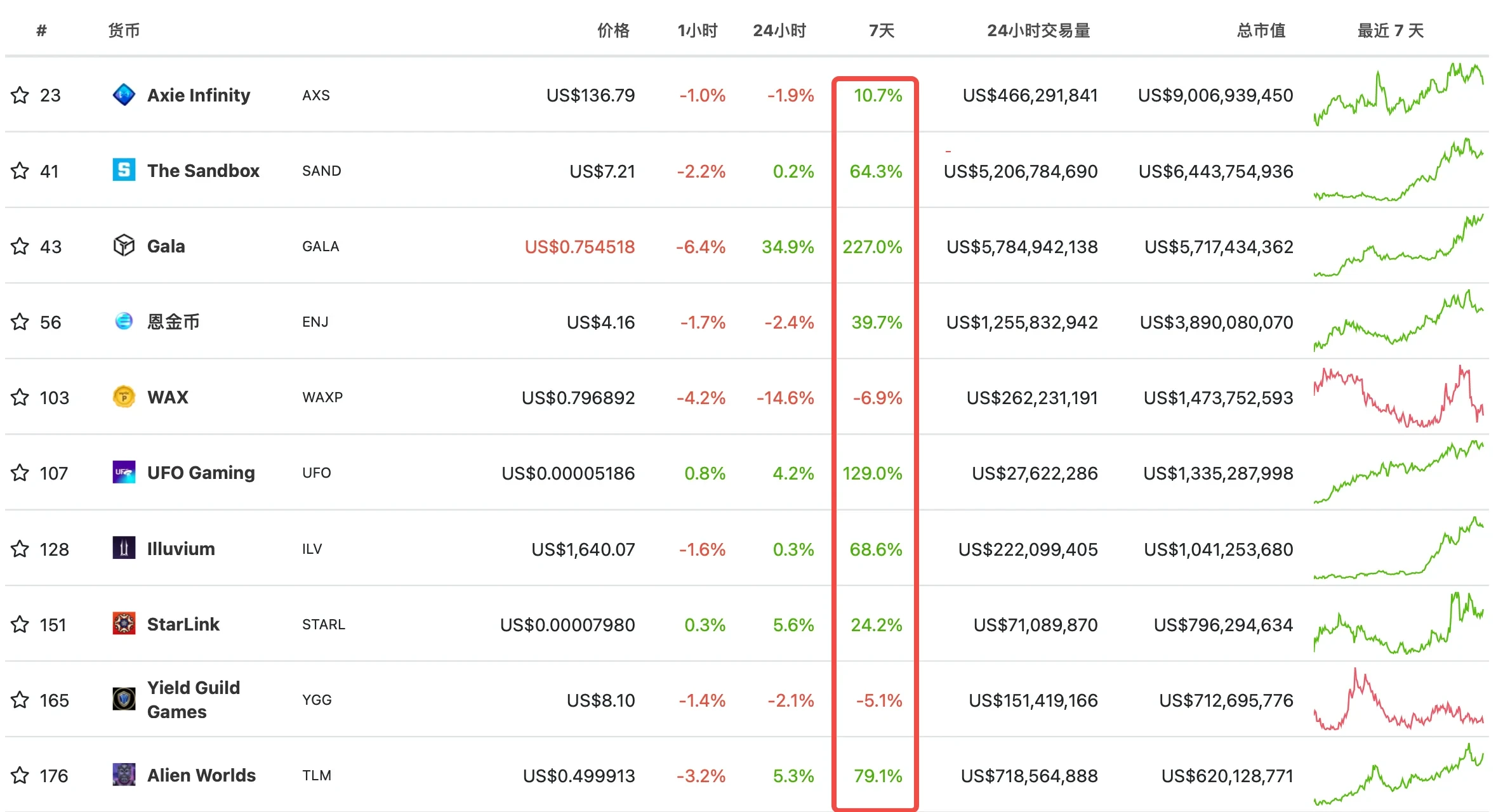
Driven by multi-party hype, the market performance of these gaming projects has already reflected this momentum. According to CoinGecko data, many gaming sector tokens posted significant gains over the past week — for example, GALA (Gala) surged 227% in the past 7 days, TLM (Alien Worlds) rose 79.1%, SAND (The Sandbox) gained 64.3% over seven days, ILV (Illuvium) climbed 68.6% over 7 days, and GODS (Gods Unchained) gained 51.2%.
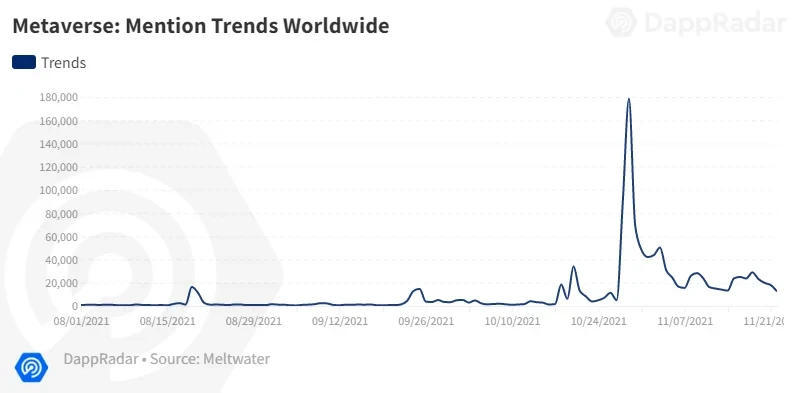
Beyond GameFi, the metaverse is also the hottest track right now. Since Facebook announced its rebranding to "Meta" and made a high-profile entry into the metaverse business at the end of October, the metaverse quickly became a trending topic across the entire crypto industry and tech world. Report data shows that global mentions of the metaverse reached their peak in early November. The surge in metaverse interest is further strengthening its connection to blockchain gaming, driving further growth in the gaming market.
Will the metaverse be the future direction of blockchain gaming?
This summer, the play-to-earn game Axie Infinity achieved astonishing traffic and revenue, earning the title of "King of Blockchain Games" and igniting the entire blockchain gaming market. But over the past two months, several popular blockchain games have shown declining revenue trends. Axie Infinity, in particular — a blockchain research firm Naavik reported that Axie's casual player daily earnings have fallen below the Philippines' minimum wage.
According to Token Terminal data, Axie Infinity's revenue did decline significantly from September to November, and with the emergence of various gaming projects, combined with the weakening of Axie's play-to-earn effect, Axie Infinity's hype and popularity have also declined. Looking at secondary market trading activity, trading volume fluctuations indicate that Axie Infinity's activity level is not what it was before. Therefore, discussions about "the future development trend of GameFi" have started to pick up.
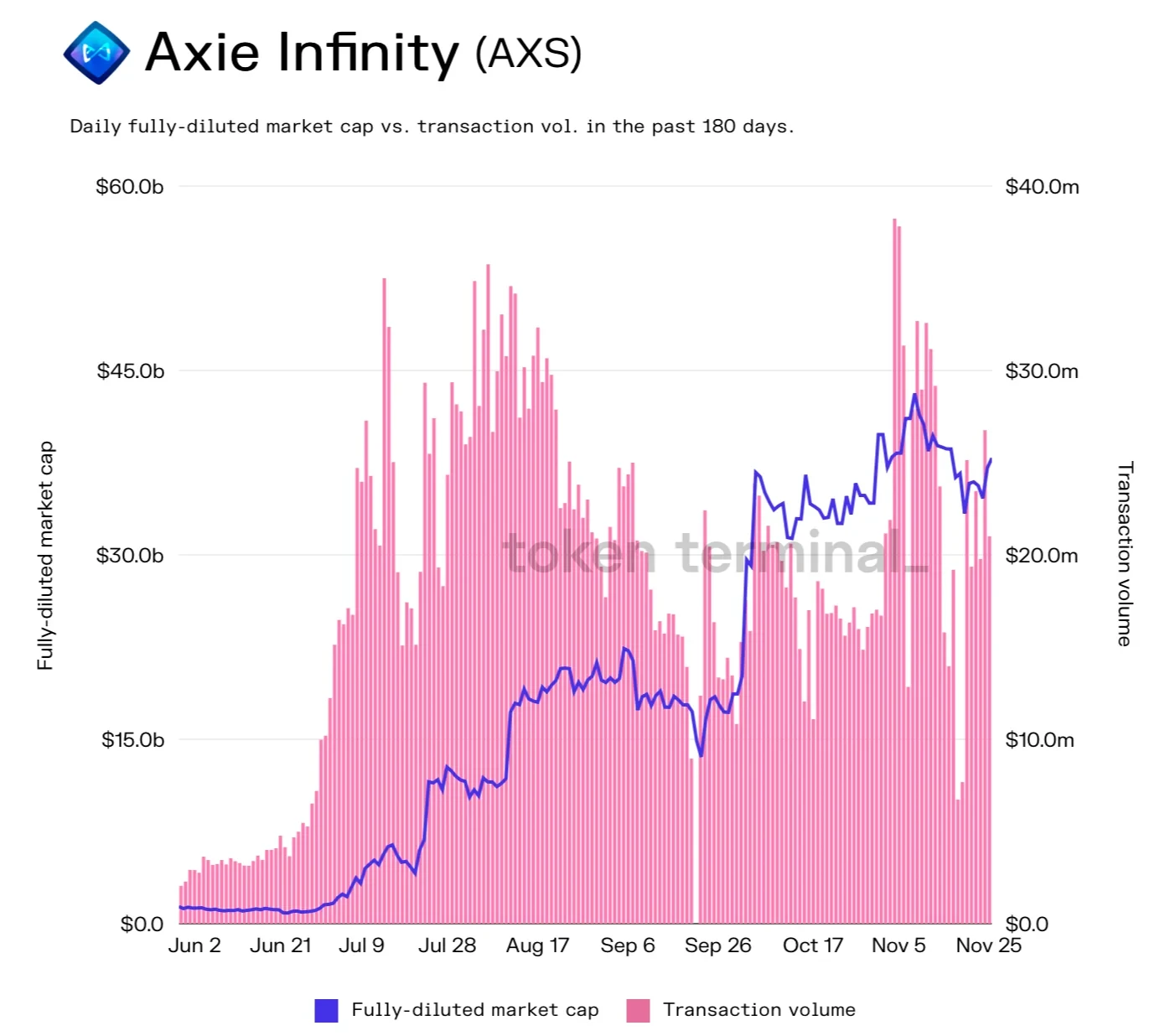
For P2E games, the most critical factors are the innovativeness and sustainability of the economic model, as well as game quality. If the profit-generating effect of these P2E-branded games proves unsustainable, users will naturally churn. Of course, this does not indicate that the overall blockchain gaming market is in a downward trend — on the contrary, the blockchain gaming market still has enormous room for development.
In terms of the overall market, blockchain games have maintained strong momentum over the past few months. According to Grayscale's latest metaverse report, blockchain gaming financing totaled $1 billion in Q3, accounting for 12% of the total capital raised across the entire cryptocurrency industry that quarter. Additionally, Token Terminal data shows that play-to-earn DApps generated over $800 million in revenue in Q3 this year.
However, recently, driven by the metaverse concept, the blockchain gaming market seems to be showing a new trend — the metaverse is showing stronger integration with gaming. On one hand, it has driven the surge of metaverse-concept games (virtual world games); on the other hand, it has spawned an increasing number of protocols beginning to incorporate metaverse concepts and mechanics.
Speaking of virtual world games, the most representative projects currently are The Sandbox and Decentraland. Since Facebook rebranded to the metaverse ("Meta"), The Sandbox and Decentraland have seen significant token price increases, and virtual land assets within the games have also appreciated. OKX Market Data shows that The Sandbox governance token SAND rose 759% over the past month, and Decentraland's token MANA climbed 452% over the past month.
Furthermore, the metaverse's influence has also extended to the NFT space. The DappRadar report shows that virtual world games — highly correlated with the metaverse concept — generated 12,550 sales in November, producing over $78.2 million in revenue to date — increases of 170% and 30% respectively compared to late October. November's total gaming NFT sales exceeded $675 million, with virtual world NFTs accounting for 8% of the total NFT market cap, growing 166% since September. Well-known blockchain games like Mythical Games, Cometh, and Illuvium are all preparing to launch NFTs incorporating virtual world concepts.
So, will the metaverse be the next development direction for blockchain gaming?
The metaverse is a digitized virtual social ecosystem with three core components: user economy, hardware and network infrastructure, and blockchain technology. The metaverse aims to enable anyone to socialize in digital space and profit through virtual experiences. Currently, the focus of blockchain gaming lies mainly in using blockchain technology and NFTs to distribute user information across the entire blockchain. The two can merge and interact through the blockchain. In fact, many existing blockchain virtual world games have already combined metaverse abstract concepts on top of blockchain gaming, making social and creative elements more prominent and building a robust user economy system.
To summarize, for blockchain gaming to incorporate the "metaverse" concept, it will need to emphasize several key characteristics: avatar identity, social functionality, and stronger in-game interaction. Therefore, rather than saying the metaverse is a development direction for blockchain gaming, it would be more accurate to say that the early form of the metaverse will likely be primarily delivered through blockchain gaming as its content vehicle, enabling more decentralized and spatially-aware value flow and interaction between game developers and players. What can be foreseen is that the correlation between the metaverse and blockchain gaming will only grow stronger from here, and the two will jointly drive the expansion of the NFT space.
**>>>** To thank and reward user support, and to help users learn more about blockchain knowledge, the official OKX Chinese Telegram community (https://t.me/OKXTelegram_Chinese) is offering exclusive group benefits. Join during the limited-time offer to get free access to premium trading course materials. The community also features regular giveaways and AMA airdrop events — come join and find out! Click to read the group entry tutorial
Disclaimer
This article may contain product-related content not applicable to your region. This article is committed to providing general information only and does not accept responsibility for any factual errors or omissions. This article represents the author's personal views only and does not represent OKX's views. This article is not intended to provide any advice, including but not limited to: (i) investment advice or investment recommendations; (ii) offers or solicitations to buy, sell, or hold digital assets; or (iii) financial, accounting, legal, or tax advice. Holding digital assets (including stablecoins) involves high risk and may be subject to significant volatility, or may even become worthless. You should carefully consider whether trading or holding digital assets is appropriate for you based on your financial situation. For questions specific to your circumstances, please consult your legal/tax/investment professional. The information contained in this article (including market data and statistics, where applicable) is provided for general reference purposes only. Although we have taken all reasonable precautions in preparing such data and charts, we do not accept any responsibility for factual errors or omissions expressed herein. © 2025 OKX. This article may be reproduced or distributed in its entirety or used in excerpts of 100 words or less, provided that such use is non-commercial. Any reproduction or distribution of the full article must prominently state: "This article is copyrighted © 2025 OKX, used with permission." Permitted excerpts must cite the article title and include attribution, e.g., "Article title, [author name (if applicable)], © 2025 OKX." Some content may have been generated or assisted by artificial intelligence (AI) tools. Derivative works and other uses of this article are not permitted.
Show More
Recommended Reading

2025 KOL Most Used OKX Products Ranking
In the cryptocurrency industry, professional traders' choices are always direct and clear-cut. In 2025, KOLs cast the most authentic votes for industry tools and ecosystem development with a full year of capital investment and time dedication. We centered around four core questions — "What was your biggest achievement this year?", "With that achievement in mind, what OKX products do you use most and love the most in 2025?", "Why do you like it?", "How does this
January 5, 2026

2026 Investment Outlook: Assets On-chain, Intelligence & Privacy | OKX Annual Review
The three major trends shaping crypto's future: asset transformation, entity transformation, and rule transformation. As we stand on the cusp of 2026, after four years of focusing on "building roads" for infrastructure, the crypto industry is ushering in a profound paradigm shift. OKX Ventures defines this as the dawn of the "Kinetic Finance" era — its core is no longer about how fast the network is, but about the flow of on-chain assets and earnings
December 31, 2025

Vote with Data — A Deep Dive into 2025's Hottest Trading Products | OKX Annual Review
Looking at price charts alone, it's difficult to explain the returns gap between OKX Trading users in 2025. What truly determines returns equally depends on account-level operational methods, not just market volatility itself. OKX Annual Report shows that mainstream coins remain the core of fund周转 and returns, supporting trading and strategy execution. Emerging tokens are more used to amplify volatility and provide phased opportunities, but are not a stable, long-term source of returns. What truly generates sustained returns is
December 30, 2025
Fusaka in Practice: What Ethereum's Latest Upgrade Means for L2, Nodes, and Users
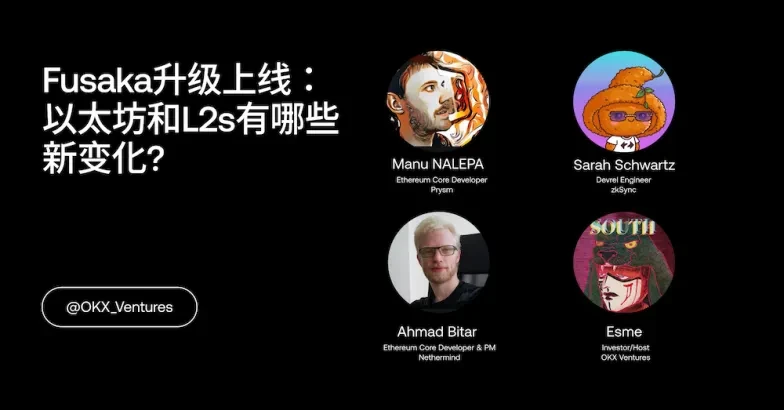
Ethereum mainnet has completed the Fusaka fork. From a protocol perspective, this upgrade mainly covers four areas, full text Q&A Show More Three guests' core viewpoints and front-line experience: Ahmad (@smartprogrammer) – Nethermind Execution Client / Ethereum Core Dev Manu (@manunalepa) – Prysm / Of
December 16, 2025

OKX Research | Why RWA Became a Key Narrative in 2025
RWA (Real World Assets) is becoming the "new favorite" of global capital. Simply put, RWA is about taking valuable, ownership-bearing things from the real world — traditional financial assets like real estate, bonds, and stocks, as well as assets that are typically harder to trade directly like art, private lending, and carbon credits — and bringing them onto the blockchain, turning them into tradable, programmable crypto assets. This means t
November 20, 2025
Claude Takes the Crown — 6 Major AI Grid Strategies Face Off | OKX & Ai Coin Live Test Review
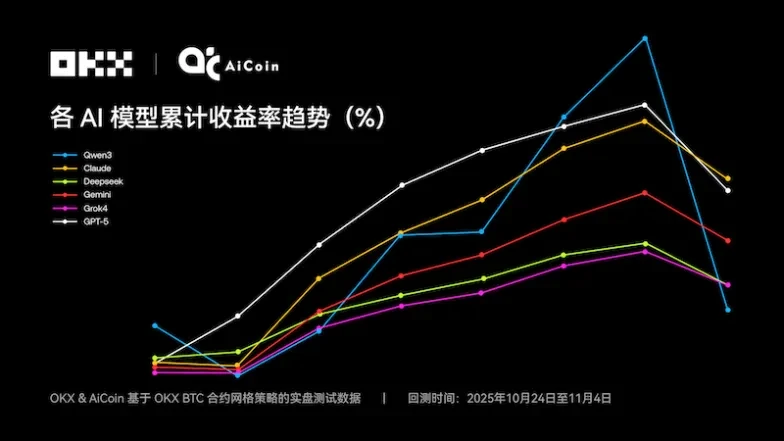
Short-term trading champion , is it also the king of grid strategies? The first season of NOF1's "AI Trading Live Arena" finally wrapped up at 6 AM on November 4, 2025, whetting the appetite of the crypto, tech, and finance communities. But the outcome of this "AI intelligence public test" turned out to be somewhat unexpected — $60,000 in total capital across six models ended the season with just $4.3
November 6, 2025