TVL Surges 110x YoY — How Are Ethereum's "Layer 2s" Doing?
From last year to this year, Layer 2 has been one of the hottest topics in the crypto space, and for 2021 as well, it remains the trend most worth paying attention to. In several previous articles, we have introduced the concept and overview of Layer 2. Layer 2 is an off-chain scaling solution designed to increase throughput, reduce trading fees, and improve network efficiency. As we all know, the scalability issue has been a major challenge facing blockchain development. Way back in 2017, the scaling problems of Ethereum and Bitcoin drew attention, and developers successively proposed various off-chain scaling solutions such as state channels, sidechains, Plasma, Rollup, Validium, and hybrid solutions. While they differ in technology and methodology, some of these approaches have already revealed significant issues during prior implementation attempts and bull-bear cycle transitions, gradually fading from investors' radar — for instance, Plasma and sidechain solutions have essentially been phased out.
Starting in the first half of 2020, as DeFi and liquidity mining took off, gas prices once surged to 700 Gwei, making Ethereum's scaling issues even more urgent. With ETH 2.0 still unable to launch in the short term, Layer 2 was placed under high expectations. Even Vitalik, the founder of Ethereum, has repeatedly emphasized this year that Layer 2 is the future of Ethereum's expansion, and many even believe Layer 2 will become the cornerstone of future metaverse development.
Setting aside the future for a moment and focusing on the present, we can see that over the past two years, thanks to the persistence and efforts of development teams, numerous projects based on representative L2 technologies have gradually taken shape. The overall development direction of Layer 2 is positive, and its growth trajectory has exceeded everyone's expectations. According to L2BEAT data, as of November 17, Ethereum Layer 2's total value locked (TVL) reached $5.36 billion, continuing to hit a new all-time high.
So, how are the mainstream Layer 2 solutions and platforms developing today, and what major progress have they made? This article will take you on a deep dive into the current development status of Ethereum's primary Layer 2 technical solutions, as well as the progress of related platforms and projects built on these technologies.
Rollup Technology Overview
While all Layer 2 solutions share the goal of scaling, they differ in technology and methodology. Therefore, if we break them down, Layer 2 technical solutions are numerous and relatively scattered. However, based on the development as of now, Rollup has achieved the most remarkable results among all Ethereum Layer 2 solutions, and it is also the only currently viable scalability solution that has drawn the most attention. According to L2BEAT data, among the top 10 projects and protocols by TVL share, 70% all adopt Rollup technology.
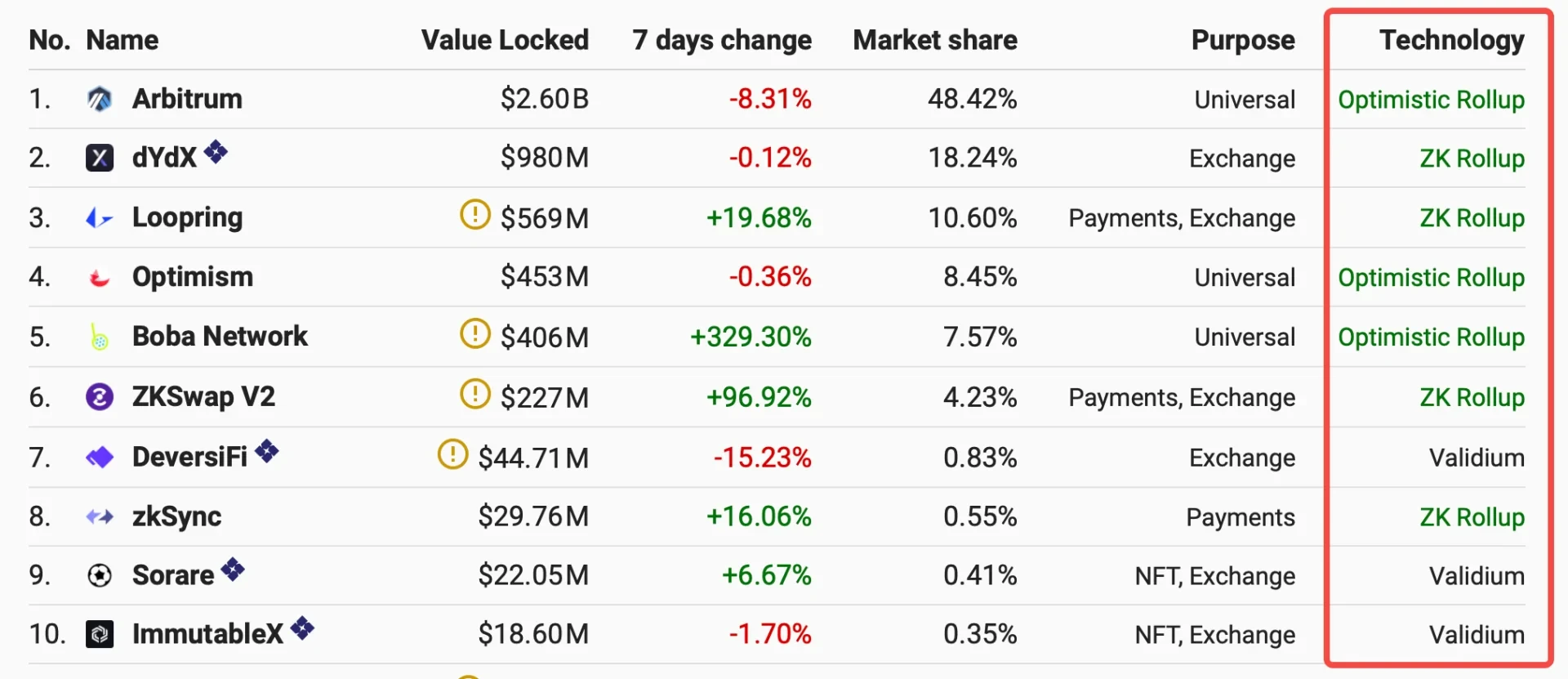
TVL of L2 networks and protocols Source: l2beat.com
Rollup, literally translated as "roll-up," works by bundling a large batch of transactions together and then sending them to Ethereum's main chain. This bundling process occurs on Layer 2, which can alleviate Ethereum's capacity burden and quickly confirm transactions. Currently, Rollup technology is mainly divided into two key approaches: Optimistic Rollup and ZK Rollup, abbreviated as OR and ZR, each with its own advantages. Below, we introduce the characteristics of each technology.
Optimistic Rollup uses OVM (Optimistic Virtual Machine, similar to EVM) to run smart contracts on Layer 2, secured by the L1 chain. It relies on aggregators that deploy smart contracts, accumulating a large number of transactions in "rollup blocks" and bundling them for release on the L1 chain. Optimistic means "optimistic" — it defaults to treating all participants as good actors, tending to trust that nodes will not behave maliciously. Therefore, Optimistic Rollup has a relatively higher trust cost.

Optimistic Rollup vs. ZK Rollup operation comparison
ZK Rollup uses zero-knowledge proofs to ensure the security of node verification (ZK stands for Zero-Knowledge). It performs off-chain computation and bundles transactions in "rollup blocks," generating a SNARK cryptographic proof called a "validity proof," which is then published to the L1 chain.
The difference between ZK Rollup and Optimistic Rollup lies in their respective pros and cons. Optimistic Rollup is more flexible and can be compatible with most DeFi applications, but its downside is the longer transaction batching time, and when assets flow back from Layer 2 to Layer 1, it takes 2 weeks (ZK Rollup takes only a few minutes). ZK Rollup has higher security — intermediate operators not only act as搬运者 (搬运者 = porters/carriers) but also as supervisors. They verify and check the data packaged by other operators. If any operator is found to be acting maliciously, they will report it and roll back the transactions during that period. The downside is its relatively poor compatibility with existing Layer 1 smart contract systems, so developers of DeFi applications using ZK Rollup technology need to develop dedicated smart contracts to match Layer 1. Moreover, ZK Rollup smart contracts developed by different DeFi teams are not interoperable, so there are certain technical implementation challenges and barriers.
Rollup Project Progress
Currently, based on the two key technologies — ZK Rollup and Optimistic Rollup — various development teams have already launched different solutions, which have also been embraced by numerous DeFi projects. For example, well-known DeFi applications such as Uniswap, Synthetix, Bancor, and MCDEX have chosen to adopt Optimistic Rollup technology, while projects like Curve, dYdX, Balancer, and Immutable have selected ZK Rollup as their primary scaling solution.
Teams currently working on Optimistic Rollup include Optimism, Fuel Labs, and Off-Chain Labs, with well-known implemented projects such as Optimism and Fuel Network, as well as Arbitrum. Well-known projects dedicated to ZK Rollup technology include Matter Labs and the StarkWare team, implementing zkSync and StarkNet solutions respectively.
So, how are these projects developing currently, and what kind of answers have they delivered in terms of ecosystem growth?
Let's first look at the more well-known Optimism and Arbitrum.
Optimism has achieved remarkable progress this year, including feature launches, upgrades, and ecosystem financing. On January 16, Optimism's mainnet launched its soft start, and the SNX staking service on Synthetix was activated. On February 24, Optimism announced it had raised $25 million in a funding round led by A16Z. On July 14, Uniswap V3 was officially deployed on the Optimism mainnet. On August 27, Optimism announced the launch of a new gateway interface, allowing users to transfer any token from the Ethereum mainnet to Optimism. On October 6, Optimism launched an experiment called Retroactive Public Goods Funding (Retro PGF). By November 3, a total of $1 million in ETH had been distributed to 58 projects to reward their outstanding contributions to the Optimism and Ethereum ecosystems. On November 11, Optimism completed the deployment of OVM 2.0. Then on November 12, Optimism announced the completion of EVM Equivalence upgrade. It is claimed that EVM Equivalence will be fully consistent with EVM specifications rather than merely compatible, which can simplify the development process for developers and reduce transaction fees.
Relatively speaking, Arbitrum launched later in terms of development progress, but its ecosystem has grown rapidly, catching up with and surpassing Optimism. On August 31 this year, Arbitrum announced that its mainnet public beta version, Arbitrum One, was officially launched, along with Arbiscan, a blockchain explorer developed in collaboration with Etherscan. Subsequently, numerous applications including Uniswap V3, Balancer, SushiSwap, Piggy, DODO, and others have been deployed on the Arbitrum One mainnet. However, it is important to note that neither Optimism nor Arbitrum has issued tokens yet, and investors should be vigilant against fraud.
In terms of usage and ecosystem performance, Arbitrum appears to be more favored by the community, with growth momentum far exceeding that of Optimism. According to L2BEAT data, the Arbitrum network has locked over $2.6 billion in digital assets, accounting for 48.42% of the total Layer 2 ecosystem TVL, ranking first among L2 networks. The Optimism network's current TVL is $453 million, accounting for 8.45% of the total share, ranking fourth among L2 networks. According to data from Arbitrum's official explorer, as of November 17, the number of unique addresses on the Arbitrum network had exceeded 266,000, representing a growth of over 40x compared to its launch (6,409). That day's transaction count was 24,849, which has declined slightly since launch, with recent fluctuations being relatively minor.
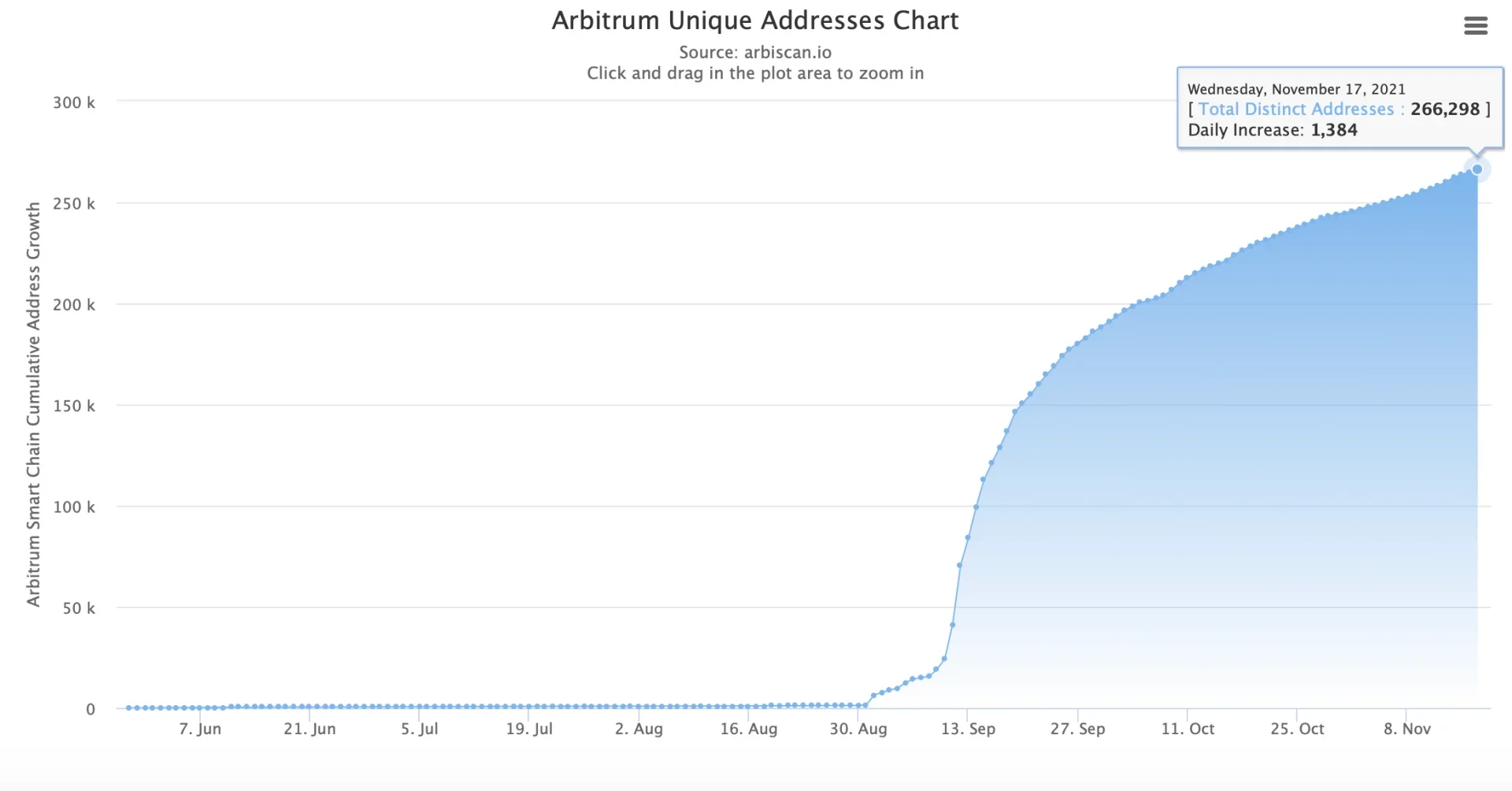
Trend in number of unique addresses on the Arbitrum network Source: arbiscan.io
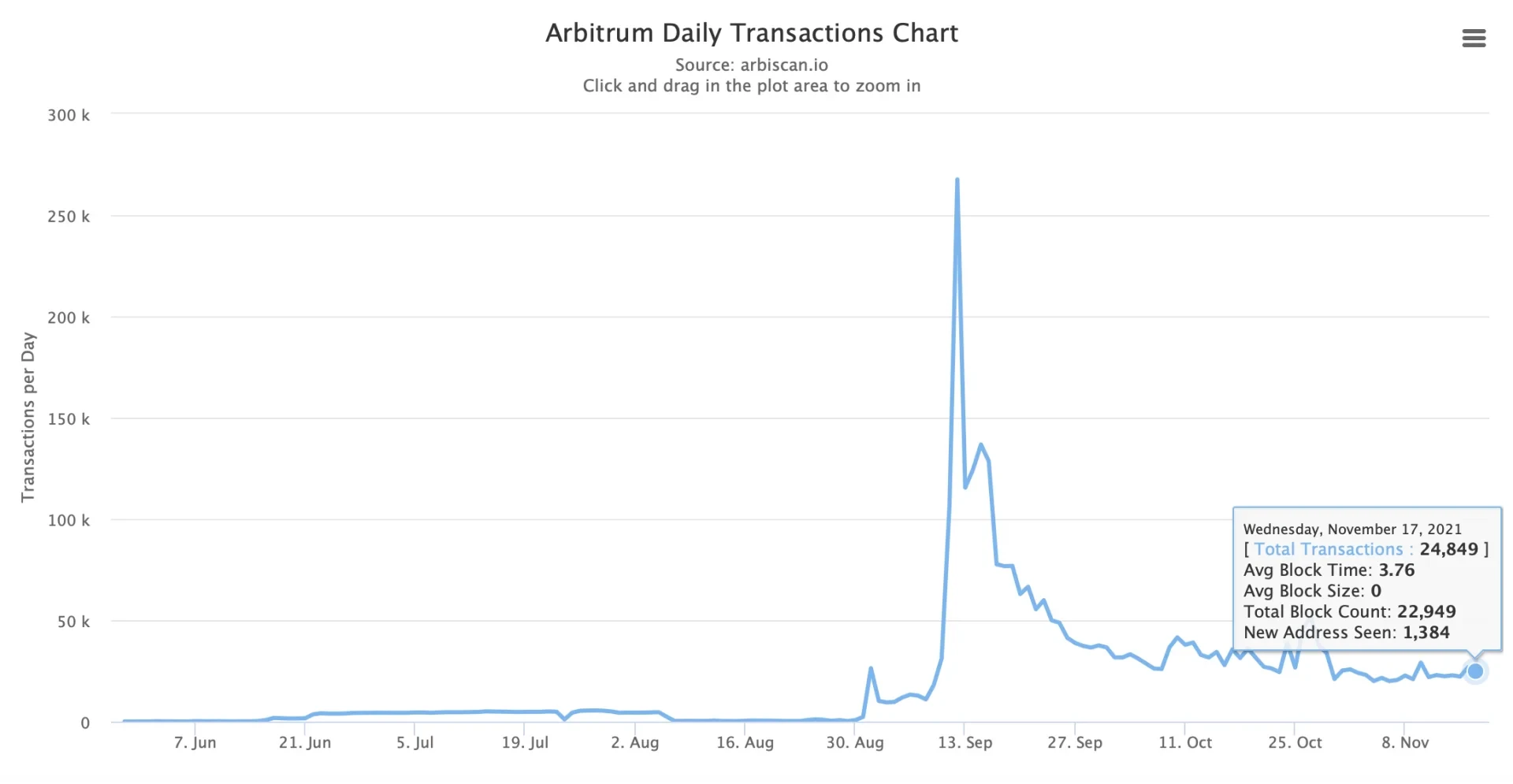
Daily transaction count trend on the Arbitrum network Source: arbiscan.io
The Optimism network currently (November 17) has surpassed 25,800 unique addresses, showing rapid growth only in the past week. That day's transaction count was 45,959, representing a 73x increase over the past week.
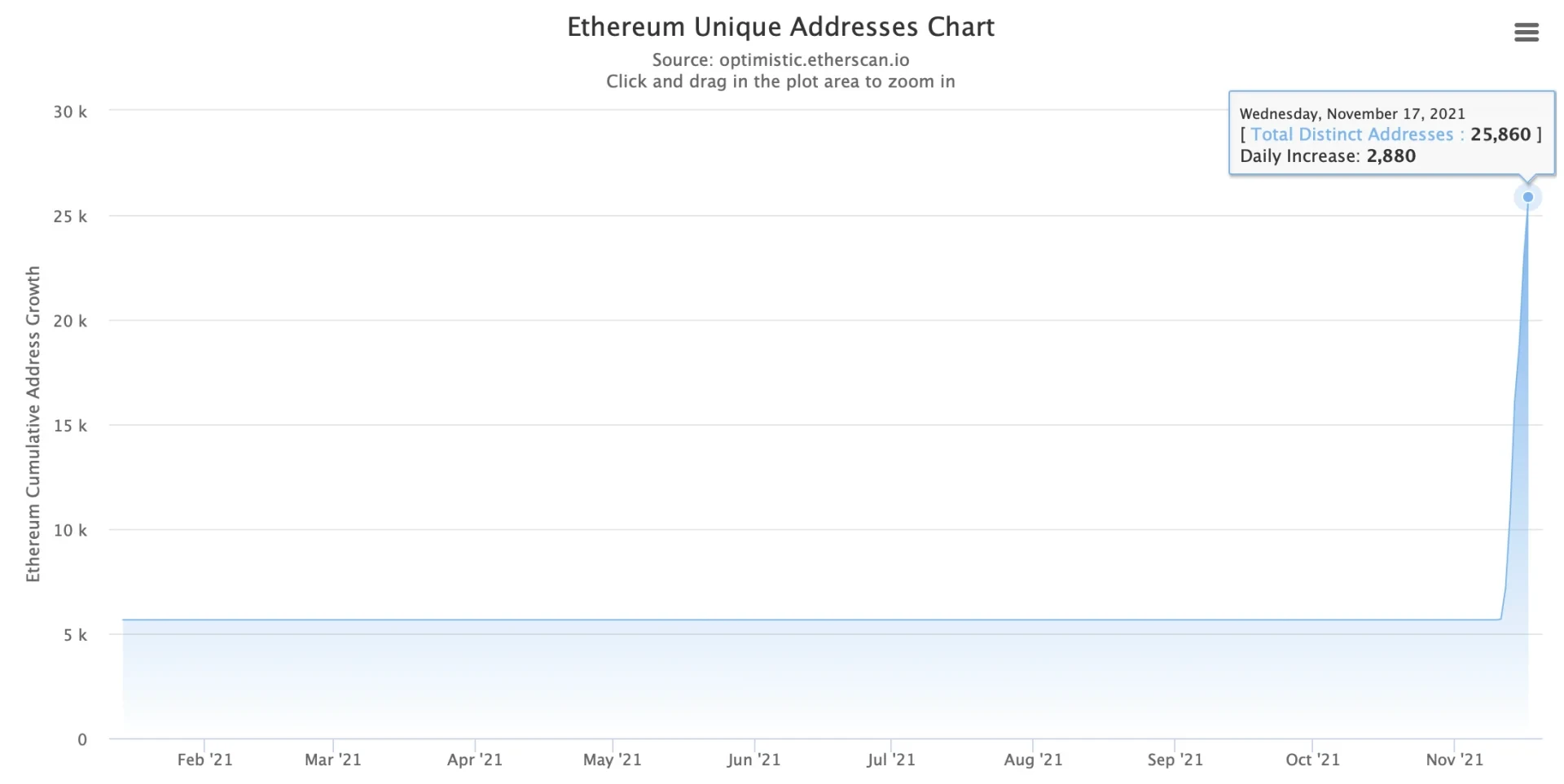
Trend in number of unique addresses on the Optimism network Source: optimistic.etherscan.io
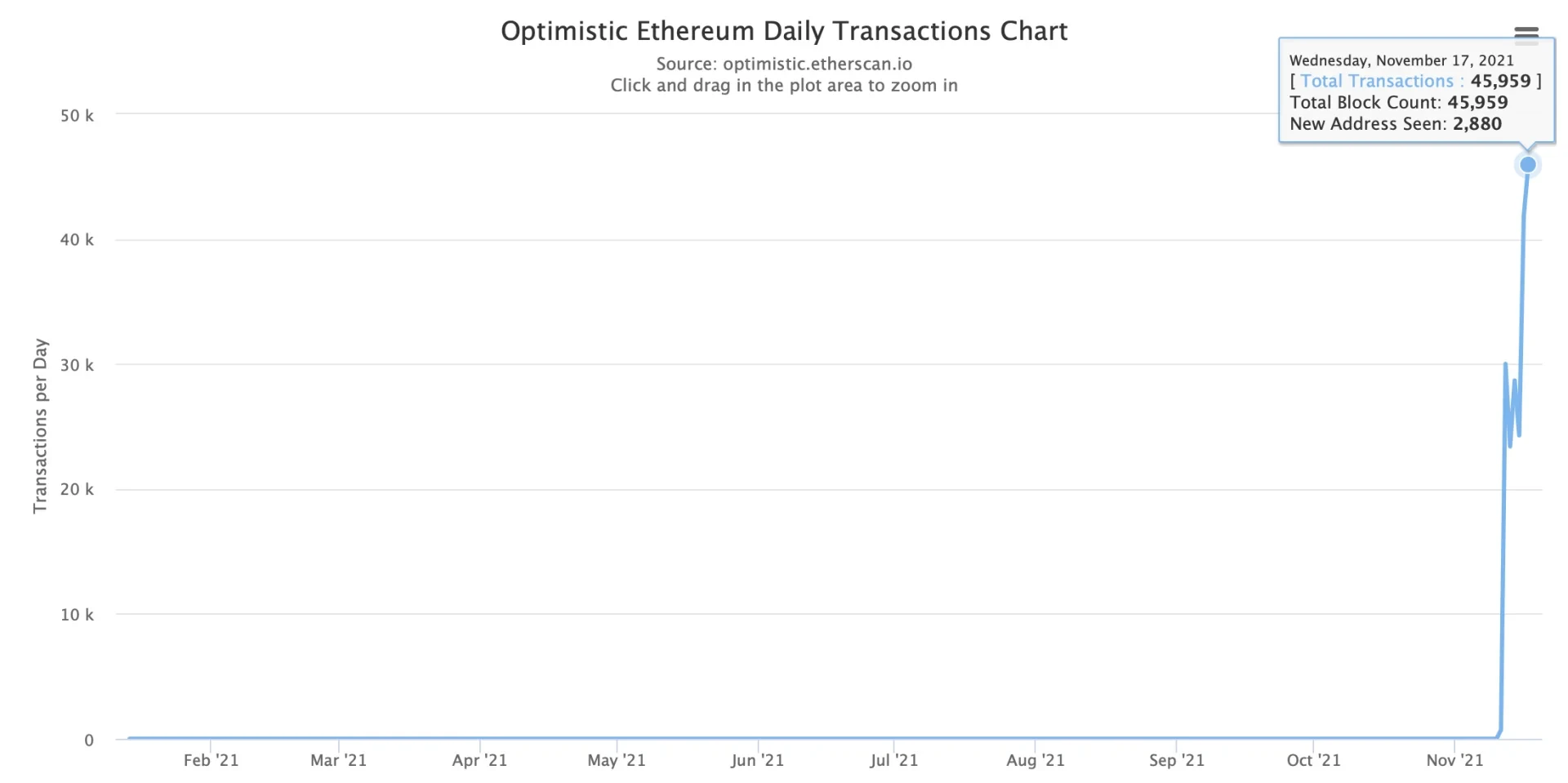
Daily transaction count trend on the Optimism network Source: optimistic.etherscan.io
Conclusion
Overall, Arbitrum has come from behind and developed rapidly in terms of ecosystem projects and growth. Optimism has grown relatively slower, currently relying mainly on the ecosystem contributions of Synthetix and Uniswap V3. Of course, in addition to Arbitrum and Optimism, other Layer 2 scaling solution projects such as zkSync, Loopring (LRC), Immutable X (IMX), Aztec, StarkWare, and ZKSwap have also achieved some significant progress.
For example, the L2 scaling solution zkSync launched its zkSync 2.0 first testnet version in June this year, and zkEVM has achieved full compatibility with Solidity, meaning Ethereum applications can seamlessly migrate to the zkSync 2.0 Layer 2 network. On November 11, its development team Matter Labs announced a partnership with OKX, with the goal that OKX will support direct fiat deposits and withdrawals to the zkSync Layer 2 network. Additionally, in an Ethereum Layer 2 solution vote initiated by Twitter influencer "antiprosynthesis.eth" on November 13, zkSync received 54% of the votes among the four major Rollup technology solutions. Furthermore, StarkWare's StarkEx 3.0 version has also gone live on the mainnet, enabling new features such as DeFi Pooling and dAMM. Due to space constraints, other projects will not be elaborated on in this article. Readers can join OKX's official community to access more benefits and courses.
Although the various branches of Rollup technology are currently relatively scattered, each developing independently, their composability and interoperability are still not strong enough. However, it is foreseeable that with the development of the metaverse, DeFi, GameFi, and other fields, as well as the ever-growing demand for transactions on Ethereum, the entire blockchain ecosystem's demand for Layer 2 will only become stronger. The Layer 2 track has the potential to produce projects of massive scale. Regardless of whether they can fully solve the "impossible triangle" problem, Ethereum's "Layer 2s" still have very significant room for development and opportunities. Of course, the differences between different technical solutions will also have a notable impact on their future. Perhaps only one or two projects will eventually dominate, so for investors, analyzing and understanding the technical differences and development progress of each project is also one of the references for investment.
Disclaimer
This article may contain product-related content that does not apply to your region. This article is intended to provide general information only and does not accept responsibility for any factual errors or omissions. This article represents the author's personal views only and does not represent OKX's views. This article is not intended to provide any advice, including but not limited to: (i) investment advice or investment recommendations; (ii) offers or solicitations to buy, sell, or hold digital assets; or (iii) financial, accounting, legal, or tax advice. Holdings in digital assets (including stablecoins) involve a high level of risk and may fluctuate significantly, or may even become worthless. You should carefully consider whether trading or holding digital assets is appropriate for you based on your financial situation. For questions specific to your circumstances, please consult your legal/tax/investment professional. The information contained in this article (including market data and statistical information, if any) is for general reference purposes only. While all reasonable precautions have been taken in the preparation of such data and charts, we do not accept any responsibility for any factual errors or omissions expressed herein. © 2025 OKX. This article may be reproduced or distributed in its entirety or in excerpts of 100 words or less, provided that such use is non-commercial in nature. Any reproduction or distribution of the full article must prominently state: "This article is copyrighted © 2025 OKX, used with permission." Permitted excerpts must cite the article title and include attribution, for example, "Article title, [author name (if applicable)], © 2025 OKX." Some content may have been generated or assisted by artificial intelligence (AI) tools. Derivative works or other uses of this article are not permitted.
Show More
Recommended Reading

2025 KOL Most Used OKX Products Ranking
In the cryptocurrency industry, professional players' choices are always direct and pure. In 2025, KOLs cast the most authentic votes for industry tools and ecosystem development with their capital and time commitment throughout the year. We focused on four core questions — "What was your biggest achievement this year?", "Given your achievements, what OKX products do you use most and love in 2025?", "Why do you like it?", "This
January 5, 2026

2026 Investment Outlook: Assets On-chain, Intelligence & Privacy | OKX Year in Review
The three major trends in Crypto's future: asset transformation, subject transformation, and rule transformation. At this moment as we bid farewell to 2026, after four years of focusing on "building roads" for infrastructure, the crypto industry is ushering in a profound paradigm shift. OKX Ventures defines this as the dawn of the era of "Kinetic Finance," where the core is no longer how fast the network is, but rather the liquidity and monetization of on-chain assets
December 31, 2025

Vote with Data — A Deep Dive into the Hottest Trading Products of 2025 | OKX Year in Review
If you only look at market conditions, it's hard to explain the returns differences among trading users in 2025. What truly determines returns also depends on account-level operation methods, not just market volatility itself. OKX's annual report shows that mainstream coins remain the core of capital turnover and returns, supporting trading and strategy execution; emerging coins are more used to amplify volatility and provide phased opportunities, but they are not a stable, long-term source of returns. What truly and continuously contributes to returns is
December 30, 2025
Fusaka in Practice: What Ethereum's Latest Upgrade Means for L2, Nodes, and Users
Ethereum mainnet has completed the Fusaka fork. At the protocol level, this upgrade primarily covers four areas. Full text by Q&A Show More: Three guests' core viewpoints and front-line experience: Ahmad (@smartprogrammer) – Nethermind Execution Client / Ethereum Core Dev Manu (@manunalepa) – Prysm / Of
December 16, 2025
OKX Research | Why Did RWA Become a Key Narrative in 2025?
RWA (Real World Assets) is becoming the "new favorite" of global capital. Simply put, RWA is about taking valuable, ownership-bearing things from the real world — such as houses, bonds, stocks, and other traditional financial assets, or even art, private lending, carbon credits, and other assets that are not usually easy to trade directly — and bringing them onto the blockchain, turning them into tradeable, programmable crypto assets. This way, n
November 20, 2025
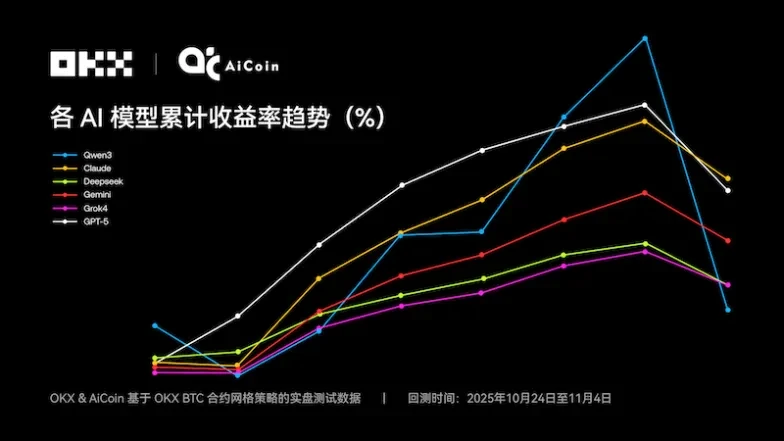
Claude Takes the Crown — The Truth Behind 6 Major AI Grid Strategy Showdown | OKX & Ai Coin Live Test
The grid strategy king , is he also the king in grid strategies? The first season of NOF1's "AI Trading Live Arena" finally concluded on November 4, 2025 at 6 AM, whetting the appetites of the crypto, tech, and finance communities. However, the outcome of this "AI IQ public test" was somewhat unexpected — the six models' combined $60,000 in starting capital was worth only $4.3
November 6, 2025