200 Million Addresses Labeled? Identifying Suspicious Transactions? How Does OKX Web3 Wallet Protect User Assets?
As is well known, security issues surrounding blockchain digital assets have always been a major concern in the industry. Due to the anonymous nature of the decentralized world, combined with the lack of a reasonable, comprehensive, and effective regulatory system, not only are hacking incidents frequent, but the decentralized space has also become a hotbed for phishing scams and other fraud.
Frequent Asset Fraud and Theft Incidents in Wallets Resulting in Heavy Losses
Case 1: Xiao A clicked on an unknown link, then connected their crypto wallet on that website, and soon all assets in the wallet were stolen;
Case 2: Xiao Y found 300,000 tokens of a certain token had appeared out of nowhere in their wallet, but these tokens could not be sold, so they logged into the website with the same name as the token and authorized trading, only to discover that all assets in their wallet had been transferred and stolen;
Case 3: After Xiao Q completed an asset transfer in their wallet, they discovered that hackers had tampered with the deposit address through Telegram, and their assets were deposited to a strange address, resulting in asset loss.
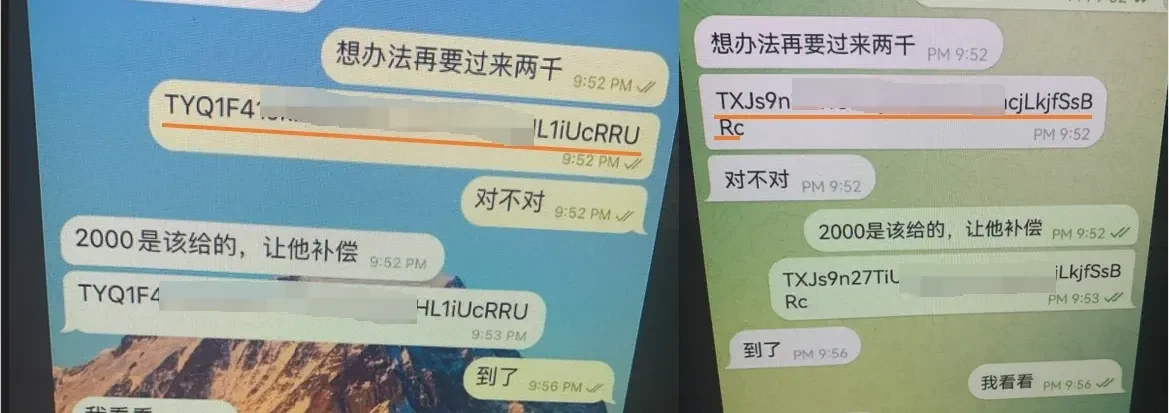
Withdrawal address tampered with by communication software carrying trojan virus
You must have heard of these asset theft cases above. In fact, although the essence of digital asset fraud is singular, the methods of manifestation are diverse. In the decentralized world filled with complex and abundant information, it's easy to fall into such scams if you're not careful, which is why asset theft incidents in the market emerge endlessly. According to the "2022 Global Web3 Industry Security Research Report," asset theft, private key theft, and phishing attacks accounted for 35% of all security incidents throughout the year, with losses exceeding $6.8 billion, of which asset theft losses were approximately 1.8 times higher than hacking attack losses.
Under normal circumstances, fraud in crypto networks revolves around cryptocurrency wallets. Therefore, whether a cryptocurrency wallet can guarantee private key security, whether it has effective security measure prompts, and even whether it can intercept risky transactions and contract authorizations are the primary considerations for users when selecting a cryptocurrency wallet. After all, when security cannot be guaranteed, the product loses its most core competitiveness.
How Does OKX Web3 Wallet Protect User Crypto Assets?
As an emerging member of the crypto wallet ecosystem, OKX Web3 Wallet has achieved remarkable development over the past year. Whether in terms of convenience, ease of use, and comprehensiveness, or in wallet security preventive measures, its growth has been commendable.
Currently, OKX Web3 Wallet supports over 47+ public chains, including over 30 popular ecosystem chains, making it the most comprehensive heterogeneous multi-chain wallet. Additionally, it features various practical functions such as DEX trading, NFT market, staking to earn, DApp application store, and more. It has also launched hardware wallet connection functionality, allowing for convenient management of assets within hardware wallets, truly achieving "Web3 entry point, one is enough."
In terms of wallet security, OKX Web3 Wallet has also made tremendous efforts:
∙ Private keys and mnemonic phrases are stored by users themselves
First, as a decentralized wallet, OKX Web3 Wallet has undergone SlowMist's private key security audit, ensuring that private keys or mnemonic phrases are stored only by users themselves, and it does not send private keys or mnemonic phrases to external servers. With private keys truly only in the hands of users, this ensures that users have complete ownership of their wallets.
∙ Integrated with SkyEye KYT system, 200 million address labels
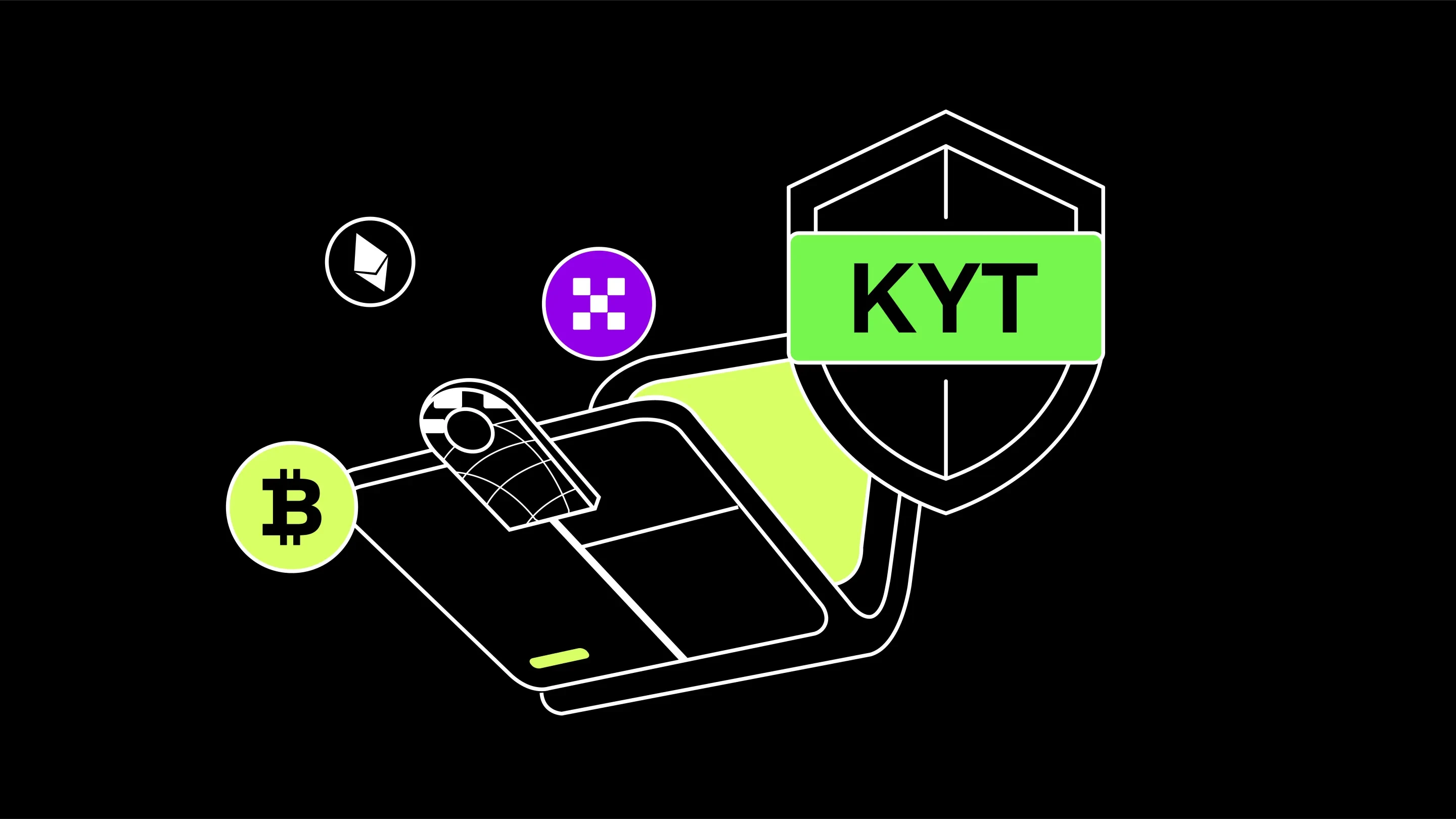
OKX Web3 Wallet has integrated the SkyEye KYT system, which has up to 200 million on-chain address labels. When users conduct wallet transfers or DApp contract interactions, the backend system automatically identifies malicious addresses, suspicious transactions, and other risks. When a transaction counterparty has risk address attributes, OKX Web3 Wallet automatically pops up corresponding warnings, helping users better avoid risks such as asset theft and loss.
∙ Protecting DApp interactions and transfer transactions
As mentioned above, through technical means such as SkyEye KYT system integration, OKX Web3 Wallet can provide prompts when detecting risks during DApp contract interactions, withdrawal transfers, and other behaviors; when conducting DEX trading, it can also automatically identify scam schemes and intercept purchases; NFT trading also has security protections, automatically hiding più NFTs and phishing NFTs, while suspicious NFTs can also be automatically identified with risk prompts.
Currently, OKX Web3 Wallet has launched the "similar first and last address phishing detection" security feature to protect on-chain transfer asset safety, and will continue to launch more new features in the future.
∙ Regular authorization management to improve wallet health
Within OKX Web3 Wallet, there is an authorization management function. When conducting trading authorization, it supports "custom authorization amount" to avoid asset theft in unlimited situations; additionally, authorized transactions are aggregated by contract for clear visibility at a glance, and canceling authorizations can also be operated by token, making it clear and convenient. Through this authorization management function, wallet health can be greatly improved, ensuring wallet asset safety.
Disclaimer
This article may contain product-related content not applicable to your region. This article is intended to provide general information only and does not assume responsibility for any factual errors or omissions herein. This article represents only the author's personal views and does not represent the views of OKX. This article is not intended to provide any of the following advice, including but not limited to: (i) investment advice or investment recommendations; (ii) offers or solicitations to buy, sell, or hold digital assets; or (iii) financial, accounting, legal, or tax advice. Holding digital assets (including stablecoins) involves high risk, may fluctuate significantly, and may even become worthless. You should carefully consider whether trading or holding digital assets is suitable for you based on your financial situation. For questions regarding your specific situation, please consult your legal/tax/investment professional. The information appearing in this article (including market data and statistics, if any) is for general reference only. Although we have taken all reasonable precautions in preparing these data and charts, we assume no responsibility for any factual errors or omissions expressed herein. © 2025 OKX. This article may be reproduced or distributed in full, or excerpts of 100 words or less from this article may be used, provided that such use is non-commercial. Any reproduction or distribution of the entire article must also prominently state: "This article is copyrighted © 2025 OKX, used with permission." Permitted excerpts must cite the article name and include attribution, for example "Article Name, [Author Name (if applicable)], © 2025 OKX". Some content may be generated or assisted by artificial intelligence (AI) tools. Derivative works or other uses of this article are not permitted.
Show More
Recommended Reading

How to Protect Cryptocurrency Wallet Security? This Article Covers All Wallet Security Precautions
In previous articles such as "Cryptocurrency Wallet Security Depends on Private Keys" and "Collection of Cryptocurrency Wallet Fraud Cases", we have already introduced wallet encryption principles
October 28, 2024
Are Cold Wallets Really the Best Choice? This Method of Storing Cryptocurrency is Safer and More Convenient
As the crypto space has developed to an unprecedented level today, many norms still apply and maintain the normal operation of the entire network system. For example, cryptocurrency is still stored in cryptocurrency wallets (also known as cryptocurrency wallets). Specifically, what is a cryptocurrency wallet? According to the definition, we can know that a cryptocurrency wallet stores public keys and private keys of cryptocurrencies like Bitcoin, private keys correspond to addresses, and supports the management and trading of cryptocurrency for that address
June 21, 2024

Web3 Entry Point One is Enough - Get to Know the Most Comprehensive Decentralized Cryptocurrency Wallet in the Industry - OKX Web3 Wallet

Phishing Scams Targeting Digital Assets? Is Your Digital Wallet Safe? Collection of Cryptocurrency Asset Fraud Cases
Due to the anonymity and decentralization of digital assets, stolen assets in wallets are often difficult to recover. Frequent incidents like Bitcoin theft require heightened vigilance to guard against being deceived. This article compiles several common fraud schemes recently, aiming to remind Web3 participants to also guard against fraud and protect asset safety while exploring the decentralized world. ### Fraud Type 1: Phishing and Other Online Fraud - Scammers post phishing websites on channels like Twitter
April 25, 2024
Billions of Dollars in Assets Stolen? Without Private Keys Assets Aren't Mine? Cryptocurrency Wallet Security Depends on "Private Keys"
Looking back at past cases of digital asset theft in wallets, it's not hard to discover that most such scams are caused by users' private key leaks. Therefore, strictly guarding private keys, as well as mnemonic phrases, passwords, and Keystore related to private keys, can effectively isolate scams and ensure wallet asset safety! This article will explain the encryption principles and composition of cryptocurrency wallets, and introduce the importance of private keys and how to properly store private keys. ### What is a Private Key
April 25, 2024